Introduction
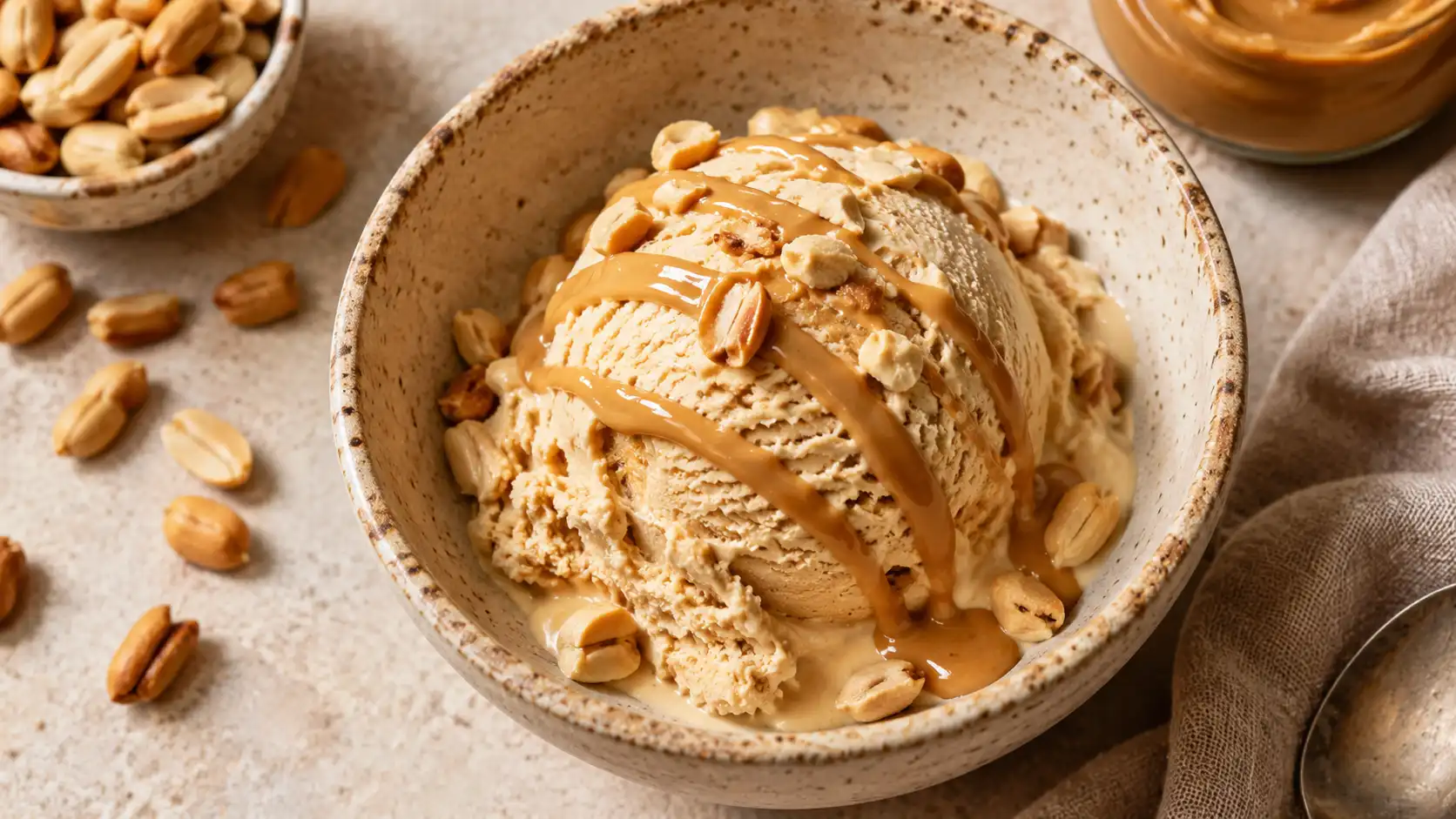
Peanut butter ice cream sits at the intersection of two universally loved flavors: the roasted, salty depth of peanut butter and the cold, creamy richness of ice cream. It’s a flavor that works equally well eaten straight from the tub, folded into a layer cake, or scooped between two cookies as a sandwich. This guide covers what actually goes into a well-made batch of peanut butter ice cream, how the ingredients and techniques interact, and how to adapt the base recipe into pies, cakes, sandwiches, and sauces.
Quick Summary
Peanut butter ice cream is a custard-style or no-churn frozen dessert built from a dairy base, sugar, and natural peanut butter, churned or frozen until smooth. The peanut butter’s fat and protein content directly affects texture, natural peanut butter without added stabilizers tends to freeze harder than processed peanut butter, and the best homemade versions balance sweetness so the roasted, savory peanut flavor stays forward rather than getting buried in sugar.
What Makes Peanut Butter Ice Cream Different From Other Flavors
Most fruit or chocolate ice creams rely on sugar and dairy fat for body. Peanut butter ice cream adds a third structural ingredient: peanut fat and protein. This changes how the ice cream behaves in two ways. First, peanut butter is naturally emulsified with oil, so it can make the base feel richer without adding as much cream. Second, peanut protein binds water differently than dairy protein alone, which is why peanut butter ice cream can turn icier or harder than vanilla if the recipe isn’t adjusted for it. Recipes that work well typically increase sugar slightly or add a small amount of corn syrup or honey, both of which lower the freezing point and keep the texture scoopable.
How to Make Peanut Butter Ice Cream at Home
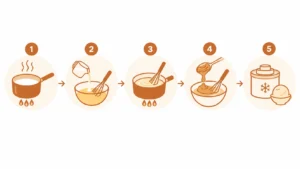
A standard homemade peanut butter ice cream recipe follows the custard method:
- Heat milk and cream with a portion of the sugar until warm, not boiling.
- Temper egg yolks by slowly whisking in the warm dairy, then return the mixture to the pan and cook gently until it coats the back of a spoon (roughly 170–175°F / 77–80°C). This step, called making an anglaise, thickens the base and prevents ice crystals from forming later.
- Whisk in smooth peanut butter while the custard is still warm, so it melts in fully instead of leaving clumps.
- Chill the mixture for at least four hours, ideally overnight. A cold base churns faster and traps more air, giving a lighter final texture.
- Churn in an ice cream maker until it reaches soft-serve consistency, then transfer to a container and freeze for another two to four hours to firm up.
Skipping the chilling step is the most common reason homemade peanut butter ice cream turns out grainy: a warm base churns slowly, which lets larger ice crystals form before the mixture has a chance to freeze evenly.
Choosing the Right Peanut Butter
Not all peanut butter behaves the same way once frozen. Processed, shelf-stable peanut butter contains stabilizers and added oils that keep it soft even at freezer temperatures, which generally produces a creamier ice cream. Natural, oil-separated peanut butter has a cleaner peanut flavor but firms up more in the freezer, so recipes using it usually benefit from an extra tablespoon or two of neutral oil or a touch more sugar to offset the hardening. Crunchy peanut butter can be used instead of smooth, but it’s best stirred in after churning rather than blended into the custard, so the peanut pieces stay distinct instead of breaking down into the base.
No-Churn vs. Churned vs. Ninja Creami Methods
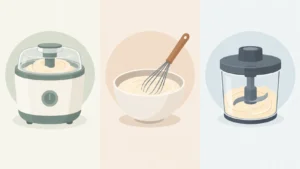
There are three common approaches to making peanut butter ice cream at home:
- Custard-churned: Uses an egg-based base and a countertop ice cream maker for the classic dense, creamy texture described above.
- No-churn: Combines whipped cream with sweetened condensed milk and peanut butter, then freezes without any machine. It skips the custard-cooking step entirely, trading a slightly less silky texture for much less hands-on time.
- Creami-style machines: These work by freezing a liquid base solid in a sealed container, then shaving it into ice cream with a spinning blade just before serving. Because the base freezes completely solid first, it needs a bit more sugar or fat than a traditional churned recipe to avoid an overly icy result once processed.
Each method changes the final texture, so a recipe written for one doesn’t always translate directly to another without adjusting sugar or fat content.
Chocolate Peanut Butter Ice Cream Variations
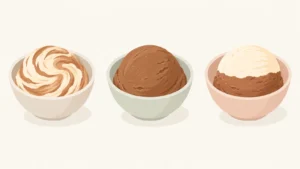
Chocolate and peanut butter is one of the most common pairings in frozen desserts, and there are a few ways to build it. Swirling melted chocolate or a thick chocolate sauce through finished peanut butter ice cream creates ribbons that stay somewhat distinct after freezing, since chocolate hardens faster than the ice cream base around it. Alternatively, folding cocoa powder directly into the custard produces a fully blended chocolate peanut butter ice cream rather than a swirl. For the most contrast, some recipes layer a plain chocolate ice cream base with a peanut butter one, which keeps both flavors distinct bite to bite instead of blending into a single flavor.
Banana Peanut Butter Ice Cream
Banana peanut butter ice cream is typically made one of two ways. The simplest version blends frozen ripe bananas with peanut butter in a food processor until smooth, producing a naturally sweet, dairy-optional “nice cream” with a soft-serve texture straight from the processor. The second version uses banana purée folded into a traditional custard base, which gives a firmer, more scoopable result closer to standard ice cream. Very ripe, well-spotted bananas work best in either method, since their higher sugar content sweetens the mixture without needing much added sugar.
Turning Peanut Butter Ice Cream Into Desserts
Peanut butter ice cream cake layers ice cream with cake, cookie crumble, or brownie between rounds, then freezes solid before slicing; a thin layer of chocolate ganache or peanut butter sauce between layers helps keep the cake from sliding when cut.
Peanut butter ice cream pie uses a graham cracker or chocolate cookie crust filled with softened peanut butter ice cream, then refreezes until firm before topping with chocolate sauce or whipped cream.
Peanut butter ice cream sandwiches work best with slightly softened ice cream pressed between two cookies, then refrozen briefly so the ice cream firms back up without the cookies going soggy.
Peanut butter ice cream cones benefit from a slightly firmer churn than a bowl serving, since a softer scoop is more likely to slide or melt quickly against a warm cone.
Best Toppings and Sauces for Peanut Butter Ice Cream
A peanut butter sauce, made by warming peanut butter with a little cream and maple syrup or honey until pourable, is the most common topping and reinforces the base flavor rather than competing with it. Contrasting toppings — chocolate shavings, a pinch of flaky salt, crushed pretzels, or roasted peanuts — add texture and cut through the ice cream’s richness. Fresh banana slices are a common pairing that echoes the banana peanut butter ice cream variation above without needing to change the base recipe.
Storage and Texture Tips
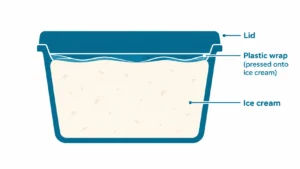
Homemade peanut butter ice cream is best stored in an airtight, shallow container with a layer of plastic wrap pressed directly onto the surface, which limits ice crystal formation from exposure to air. It typically stays at peak texture for about one to two weeks in a standard freezer; after that, it can still be eaten but may firm up more and lose some creaminess. Letting a firm batch sit at room temperature for five to ten minutes before scooping makes it easier to serve without melting the whole container.
Conclusion
Peanut butter ice cream is straightforward to make at home once the role of each ingredient is clear: dairy and sugar provide the base, eggs add body through custard cooking, and peanut butter contributes both flavor and fat that changes how the final texture freezes. From there, the same base recipe branches easily into chocolate swirls, banana blends, layered cakes, pies, and sandwiches, with toppings and sauces used to reinforce or contrast the core peanut flavor.
FAQ
Why does homemade peanut butter ice cream freeze harder than store-bought?
Store-bought versions often include stabilizers and emulsifiers that keep ice cream scoopable straight from the freezer. Homemade versions rely on sugar, fat, and alcohol-free approaches like corn syrup to soften texture, so they generally need a few minutes to soften before scooping.
Can I make peanut butter ice cream without an ice cream maker?
Yes, using the no-churn method with whipped cream and sweetened condensed milk, or by freezing a blended base and breaking it up with a food processor partway through freezing to prevent large ice crystals.
Does natural peanut butter work as well as regular peanut butter in ice cream?
It works, but it tends to produce a firmer frozen texture due to the lack of stabilizers, so recipes using natural peanut butter often need slightly more sugar or added fat to stay scoopable.
What’s the best way to add crunch to peanut butter ice cream?
Stir in chopped roasted peanuts, crushed pretzels, or peanut butter cup pieces after churning rather than before, so they keep their texture instead of softening in the base.