Introduction
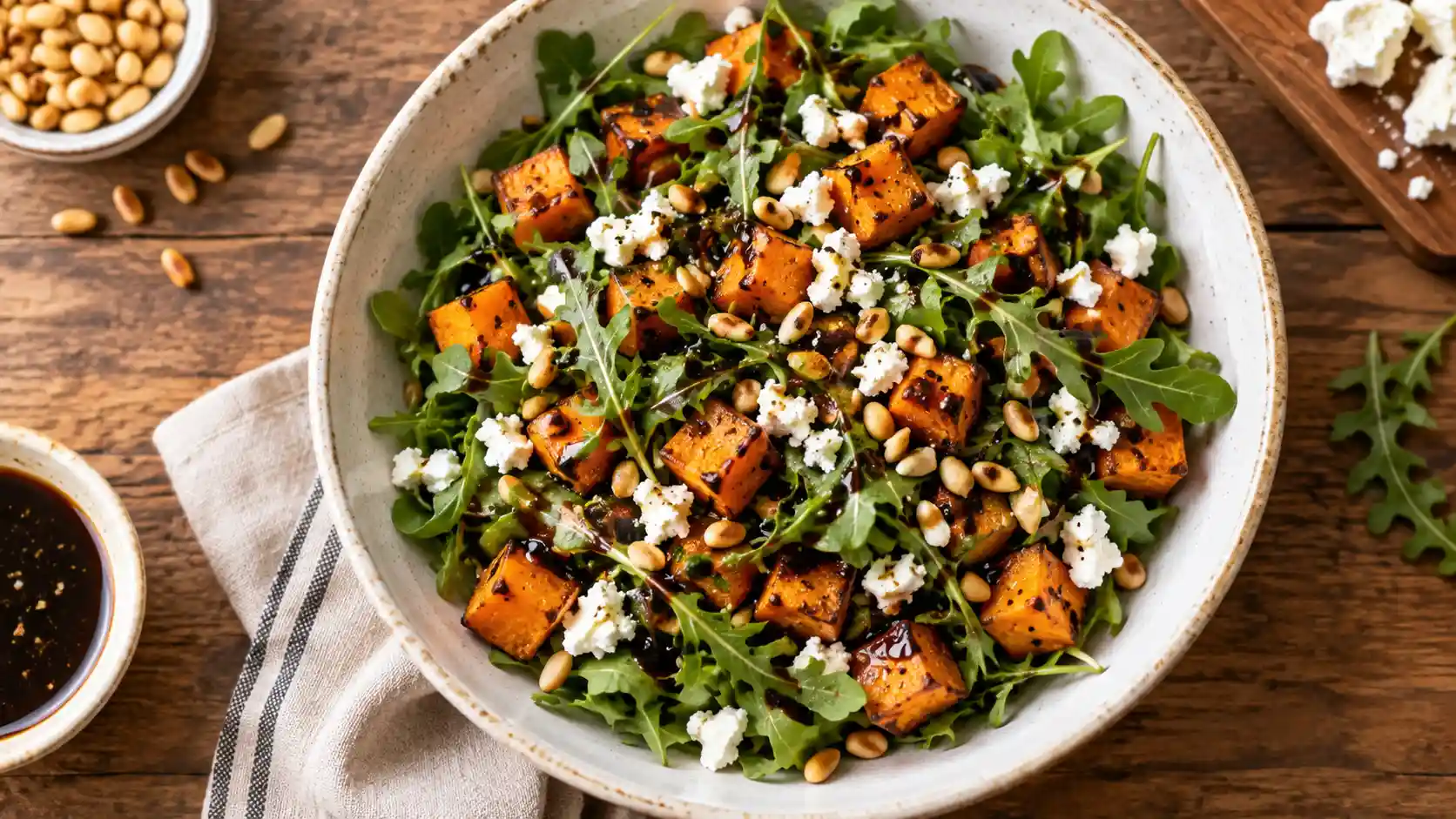
Sweet potato and rocket salad pairs the natural sweetness of roasted or boiled sweet potato with the peppery bite of rocket (also called arugula), tied together with a sharp, often balsamic-based dressing. It’s a dish built on contrast: soft, caramelized sweet potato against crisp, slightly bitter greens, and a tangy dressing that cuts through the richness of both. The combination has become a staple in modern British and Mediterranean-influenced cooking, showing up in versions from cooks like Jamie Oliver and Yotam Ottolenghi, as well as endless home-kitchen adaptations.
This article explains how the salad is put together, why each component matters, and how to adjust it for different diets, seasons, and serving styles.
Quick Summary
- Sweet potato and rocket salad combines roasted or boiled sweet potato cubes with fresh rocket leaves.
- A balsamic vinaigrette is the most common dressing, though variations use lemon, tahini, or yogurt-based dressings.
- The salad can be served warm, at room temperature, or cold, making it flexible for meal prep.
- Common additions include feta, pine nuts, quinoa, chickpeas, and avocado.
- It works as a side dish, a light main, or a component of a larger spread.
What Makes This Salad Work
The success of this salad comes down to contrast and balance. Sweet potato is naturally sweet and starchy, and roasting concentrates that sweetness through caramelization, creating slightly crisp edges and a soft interior. Rocket, by contrast, has a peppery, slightly bitter flavor that becomes more pronounced as the leaves mature. When combined, the sweetness of the potato tempers the sharpness of the greens, while the greens keep the dish from feeling heavy or one-note.
A dressing with acidity — most commonly balsamic vinegar — is essential because it brightens the sweetness of the potato and helps unify the other ingredients. Without enough acid, the salad can taste flat or overly sweet.
Choosing and Preparing the Sweet Potatoes
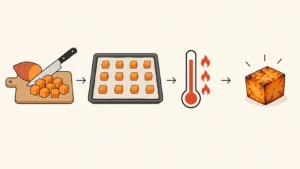
Any variety of sweet potato works, though orange-fleshed varieties are most common because they hold their shape well and caramelize evenly. To prepare them for this salad:
- Cut into even cubes (roughly 2cm/¾ inch) so they cook at the same rate.
- Roast at a high temperature (around 200–220°C/400–425°F) to encourage caramelization on the outside while keeping the inside tender.
- Toss with oil and seasoning before roasting — this helps browning and prevents the cubes from drying out.
- Avoid overcrowding the tray, since steam builds up when pieces are packed too closely, which softens the exterior instead of crisping it.
Some recipes call for boiling the sweet potato instead of roasting, which produces a softer, more uniform texture suited to cold salad recipe versions. Boiling is faster but skips the caramelized flavor that roasting develops, so the two methods produce noticeably different results even though the base ingredient is the same.
The Role of Rocket (Arugula)
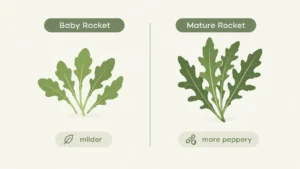
Rocket is typically added raw and just before serving, since its leaves wilt quickly once dressed or exposed to the residual heat of warm sweet potato. Using it fresh preserves its peppery bite and crisp texture. Baby rocket has a milder flavor and more tender leaf than mature rocket, which is more assertively bitter and slightly tougher — the choice between the two affects how sharp the finished salad tastes.
If rocket isn’t available, other peppery or bitter greens such as watercress or baby spinach can substitute, though the flavor profile shifts slightly milder.
Building the Dressing
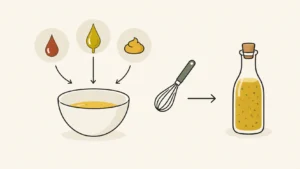
The dressing is what ties the sweet and bitter elements together. A classic version includes:
- Balsamic vinegar (for acidity and a touch of sweetness)
- Extra virgin olive oil
- A small amount of Dijon mustard or honey (to emulsify and round out flavor)
- Salt and black pepper
Balsamic is the most common choice because its natural sweetness complements the sweet potato rather than competing with it. Some variations swap balsamic for lemon juice for a lighter, more citrus-forward result, or use a tahini-yogurt dressing for a creamier, Middle Eastern-influenced take similar to styles associated with Ottolenghi. The core principle stays the same regardless of the specific dressing: enough acidity to balance the sweetness of the potato.
Popular Variations
This salad adapts easily, and several well-known versions have emerged:
- Sweet potato, rocket, and feta salad: adds salty, tangy feta cheese, which contrasts with the sweetness of the potato.
- Sweet potato and rocket salad with pine nuts: toasted pine nuts add crunch and a subtle nuttiness.
- Rocket and sweet potato salad with crispy quinoa: quinoa is pan-fried until crisp, adding texture and protein, making the dish more filling as a main course.
- Sweet potato and avocado salad: avocado adds creaminess, often paired with a lime-based dressing instead of balsamic.
- Five-ingredient versions, often associated with simplified Jamie Oliver-style recipes, strip the dish down to sweet potato, rocket, dressing, a cheese element, and a nut or seed for crunch.
Each addition changes the texture and flavor balance, but the underlying structure — starchy base, peppery green, acidic dressing — stays consistent across variations.
Serving Warm vs. Cold
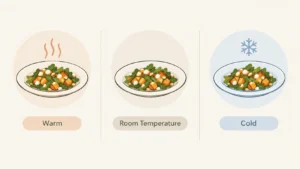
The salad can be served in three ways, each suited to different occasions:
- Warm: sweet potato is served straight from roasting, wilting the rocket slightly. Best for immediate serving as a side dish.
- Room temperature: a common approach for buffets or gatherings, since the salad holds its texture well without needing to be piping hot.
- Cold: sweet potato is roasted or boiled in advance and chilled, making it suitable for meal prep or packed lunches. Cold versions are usually dressed just before eating to keep the rocket from wilting.
Storage and Make-Ahead Tips
- Store roasted sweet potato separately from rocket and dressing to prevent the greens from wilting and going soggy.
- Roasted sweet potato keeps in the refrigerator for up to 4 days in an airtight container.
- Add the dressing and rocket only when ready to serve for the best texture.
- The salad is not well suited to freezing, since both the sweet potato and rocket lose their texture significantly once thawed.
Conclusion
Sweet potato and rocket salad works because of the deliberate contrast between a sweet, caramelized base and a sharp, peppery green, held together by an acidic dressing. Its structure is flexible enough to support countless variations — from feta and pine nuts to crispy quinoa or avocado — while still keeping the same essential balance of flavors and textures. Whether served warm as a side, at room temperature for a gathering, or cold for meal prep, the core method of roasting or boiling the sweet potato and adding rocket fresh remains the throughline across every version of this dish.
FAQ
Can you make potato salad with sweet potatoes?
Yes. Sweet potatoes can replace regular potatoes in most potato salad recipes, though their natural sweetness means the dressing typically needs more acidity to keep the dish balanced.
Is sweet potato and rocket salad good for weight loss?
Sweet potatoes are a source of fiber and complex carbohydrates, and rocket is low in calories, making the combination a nutrient-dense option, though overall calorie content depends heavily on the dressing and any added cheese or nuts.
What is the best dressing for sweet potato and rocket salad?
Balsamic vinaigrette is the most common choice because its sweetness and acidity complement the sweet potato, though lemon-based or tahini-yogurt dressings are also widely used.
Should sweet potato and rocket salad be served hot or cold?
It can be served either way. Warm versions pair straight from roasting, while cold versions are prepped in advance and dressed just before serving, making them suitable for meal prep.
How do you keep rocket from wilting in the salad?
Add rocket just before serving rather than mixing it in while the sweet potato is still hot, and store any leftover greens separately from the dressed components.