Introduction
Forequarter chops are one of the most underrated cuts on the market — affordable, deeply flavorful, and forgiving when cooked with a bit of patience. Cut from the shoulder area of lamb (or occasionally pork), forequarter chops contain more connective tissue and bone than leaner cuts like loin or cutlets, which means they reward slow, moist cooking methods far more than a quick sear. This guide walks through everything needed to turn forequarter chops into a tender, restaurant-quality meal, whether the goal is a Sunday oven bake, a rich braise, a set-and-forget slow cooker dinner, or a hearty casserole.
Quick Summary
Forequarter chops come from the shoulder and neck end of the animal, making them tougher but more flavorful than rib or loin chops. Because of the connective tissue, they perform best with low, slow, moist cooking — braising, slow-cooking, or covered oven-baking — rather than grilling or pan-frying alone. A short marinade or dry rub, combined with a liquid-based cooking method of at least 90 minutes, produces the most tender, fall-off-the-bone result.
What Are Forequarter Chops?
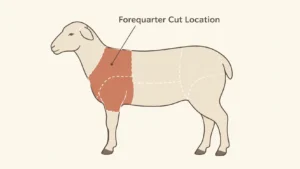
Forequarter chops are cut from the front section of the animal, typically the shoulder, neck, or upper rib area. This distinguishes them from chump or loin chops, which come from the rear and are naturally more tender due to less muscle use. The forequarter contains a mix of muscle groups, connective tissue, and often a piece of bone, all of which contribute deep, savory flavor during cooking but also mean the meat can turn chewy if cooked too quickly.
This structural difference is the single most important factor in how forequarter chops should be cooked. Muscles that do more work — like those in the shoulder — build up more collagen. Collagen is tough when raw or briefly cooked, but it breaks down into gelatin with sustained heat and moisture, which is what makes braised or slow-cooked forequarter chops so succulent. Skipping the slow-cook step and instead grilling or frying the chops quickly will leave the collagen intact, resulting in tough, rubbery meat even if the chop looks properly browned on the outside.
Choosing and Preparing Forequarter Chops
When buying forequarter chops, look for meat with visible marbling and a thin layer of fat around the edge — this fat bastes the meat as it cooks and helps prevent it from drying out. Chops should be a consistent pink to deep red color (for lamb) without a grey tinge, and any bone should look clean and white.
Before cooking, pat the chops dry with paper towel; excess surface moisture prevents browning and can cause steaming instead of searing in the first stage of cooking. Trimming excessive hard fat (as opposed to marbling) can also help reduce greasiness in the finished dish without sacrificing flavor.
The Best Marinade for Forequarter Chops
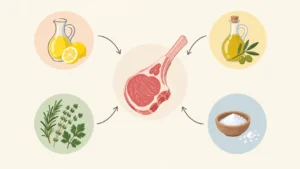
A marinade serves two purposes for forequarter chops: it adds flavor, and its acidic component begins to soften tougher muscle fibers before cooking even starts. An effective marinade typically combines:
- An acid (lemon juice, vinegar, or yogurt) to begin tenderizing
- Oil to help distribute flavor and prevent sticking
- Aromatics such as garlic, rosemary, and thyme, which pair naturally with lamb
- Salt, which helps the meat retain moisture during cooking
Marinating for 30 minutes at room temperature or up to 24 hours in the refrigerator both work, though longer marinating times allow more flavor penetration. Because forequarter chops will already spend significant time cooking in liquid (in braises, casseroles, or slow cookers), the marinade’s main job is flavor rather than doing all the tenderizing work alone.
Oven-Baked Forequarter Chops
Oven-baking is one of the simplest ways to cook forequarter chops while still achieving tenderness, provided the chops are cooked covered and at a moderate temperature rather than high, dry heat.
- Sear the chops in an oven-safe pan for 2–3 minutes per side to develop color and flavor.
- Add a small amount of stock, wine, or water to the pan — enough to create steam but not fully submerge the meat.
- Cover tightly with a lid or foil and bake at around 160–170°C (325–340°F) for 90 minutes to 2 hours.
- Check for tenderness; the meat should pull apart easily with a fork.
The covering step is essential: uncovered oven-baking at this temperature will dry the surface out long before the connective tissue has had time to soften.
Braised Forequarter Chops
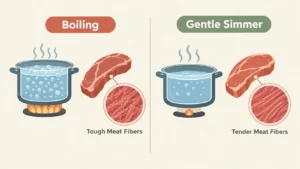
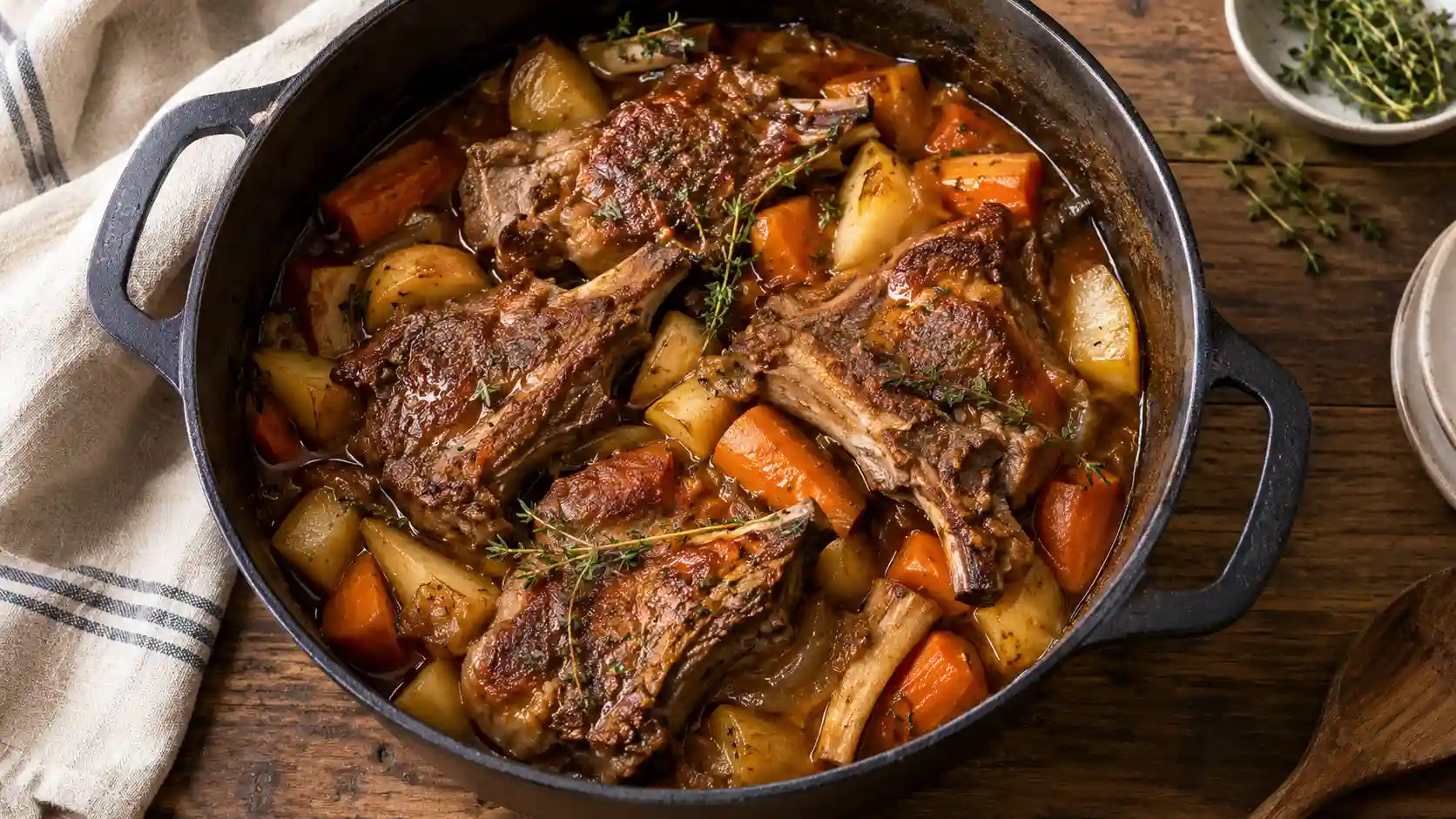
Braising is arguably the gold-standard method for this cut, since it combines browning with slow, moist cooking in a single vessel. After searing the chops on both sides, aromatics like onion, carrot, and celery are softened in the same pan, then stock or a wine-and-stock mixture is added to partially cover the meat. The pot is covered and simmered gently — on the stovetop over low heat or in the oven at a low temperature — for 1.5 to 2.5 hours.
The key mechanism at work is low, steady heat below a rolling boil. Boiling toughens muscle fibers even as collagen breaks down, so a gentle simmer produces a noticeably more tender result than an aggressive boil over the same time period.
Slow Cooker Forequarter Chops
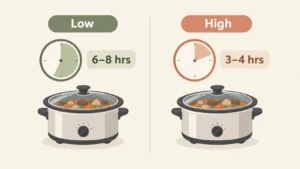
The slow cooker is particularly well suited to forequarter chops because its low, consistent heat mirrors the ideal braising conditions without requiring monitoring. Chops can be seared first for extra flavor (optional but recommended), then placed in the slow cooker with stock, aromatics, and any vegetables.
- Low setting: approximately 6–8 hours
- High setting: approximately 3–4 hours
Because slow cookers retain moisture so effectively, less liquid is needed compared to stovetop braising — usually just enough to come a third to halfway up the meat. Overfilling with liquid can dilute flavor rather than concentrate it.
Forequarter Chops Casserole
A casserole differs from a braise mainly in the addition of more vegetables and, often, a starch like potato, turning the dish into a complete one-pot meal. Layering sliced potatoes, carrots, and onions with the chops in a casserole dish, then covering with stock and baking covered at around 160°C (320°F) for 2 hours, allows the vegetables to absorb the meat’s rendered flavor while the chops become fork-tender.
A quick casserole variation can shorten this by par-cooking the vegetables beforehand and reducing oven time to closer to 90 minutes, though the texture of the meat will be slightly less fall-apart than a full slow cook.
Tips for Tender, Flavorful Results
- Always cook covered when using dry heat methods like the oven, to trap moisture.
- Avoid boiling; a gentle simmer breaks down collagen without toughening muscle fibers.
- Season generously, since the fat and connective tissue in this cut can handle — and benefit from — bold flavors like garlic, rosemary, and cumin.
- Rest the meat for 5–10 minutes after cooking so juices redistribute rather than spilling out when cut.
- If the sauce needs thickening, remove the chops first, then reduce or thicken the liquid separately to avoid overcooking the meat further.
Storing and Reheating
Cooked forequarter chops keep well in the refrigerator for up to 3 days in an airtight container, ideally stored in some of their cooking liquid to prevent drying out. For longer storage, they freeze well for up to 3 months. Reheat gently, covered, in a low oven or on the stovetop with a splash of stock or water added — this replicates the moist-heat conditions that made the meat tender in the first place, whereas microwaving without added liquid can toughen the meat again.
Conclusion
Forequarter chops reward the cook who treats them for what they are: a flavorful but structurally tough cut that transforms beautifully under low, moist, extended heat. Whether braised on the stovetop, baked covered in the oven, set to cook in a slow cooker, or built into a hearty casserole, the underlying principle stays the same — gentle heat and time break down connective tissue into tenderness. With the right marinade for flavor and a covered, slow cooking method for texture, forequarter chops can become one of the most satisfying and budget-friendly meals in a home cook’s rotation.
FAQ
Are forequarter chops the same as shoulder chops?
They come from the same general region of the animal — the shoulder and neck end — so they share similar characteristics, though exact naming can vary by butcher and region.
Can forequarter chops be cooked quickly, like on a grill?
They can, but the result will be chewier than a slow-cooked version, since quick, high-heat methods don’t give the connective tissue time to break down.
What’s the ideal internal temperature for lamb forequarter chops?
For tenderness, cooking well past the point of “done” (around 90–95°C internally for the collagen to fully break down) is more important than hitting a specific minimum safe temperature, since these are cooked low and slow rather than served medium-rare.
Do forequarter chops need to be trimmed of fat before cooking?
Some fat should be left on for flavor and moisture, but excess hard fat around the edges can be trimmed to reduce greasiness without affecting tenderness.
Can this method be used for pork forequarter chops instead of lamb?
The same slow, moist-heat principles apply, though pork typically needs slightly less time than lamb to reach a tender result due to differences in connective tissue density.