Introduction
Miso pumpkin is a simple pairing with an outsized effect on flavor: the deep, salty fermented notes of miso paste combined with the natural sweetness of roasted pumpkin. The combination works across cuisines and course types, showing up in Japanese-inspired side dishes, hearty soups, creamy sauces, and even baked goods. This guide covers what miso pumpkin is, why the pairing works on a chemical and culinary level, and how to prepare it using several different methods and formats.
Quick Summary
Miso pumpkin refers to pumpkin (or winter squash) seasoned, glazed, or blended with miso paste, typically balanced with a sweetener like maple syrup or honey and a fat like butter or oil. It can be roasted, air-fried, simmered into soup, blended into puree or sauce, tossed into salad or pasta, or folded into bread, pie, and cookies. The technique is forgiving and adaptable to most kitchen equipment.
1. What Is Miso Pumpkin?
Miso pumpkin describes any dish where pumpkin is prepared with miso as a primary seasoning. Miso is a fermented soybean paste originating in Japanese cooking, and it contributes glutamates responsible for umami, the “fifth taste” associated with savory depth. When miso is rubbed onto pumpkin before roasting, blended into a puree, or simmered into a broth, it deepens the vegetable’s natural sweetness rather than masking it. This makes miso pumpkin recipes popular for people looking to add complexity to a naturally mild ingredient without heavy spicing.
2. Why Miso and Pumpkin Work So Well Together
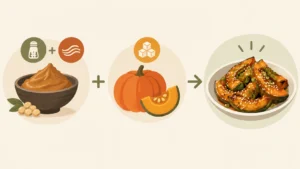
Pumpkin flesh contains natural sugars that concentrate and caramelize during roasting or baking. Miso contributes salt, amino acids, and fermented complexity that contrasts with that sweetness, similar to how salted caramel plays sweet against savory. This is why a miso glazed pumpkin recipe often also includes a small amount of maple syrup, honey, or brown sugar — the sweetener amplifies caramelization on the pumpkin’s surface, while the miso keeps the overall flavor from becoming one-dimensional. Butter or oil is typically added to the glaze because miso paste is dense and needs fat to spread evenly and to help it brown rather than burn.
3. How to Make Miso Roasted Pumpkin
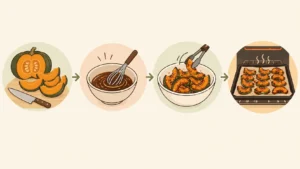
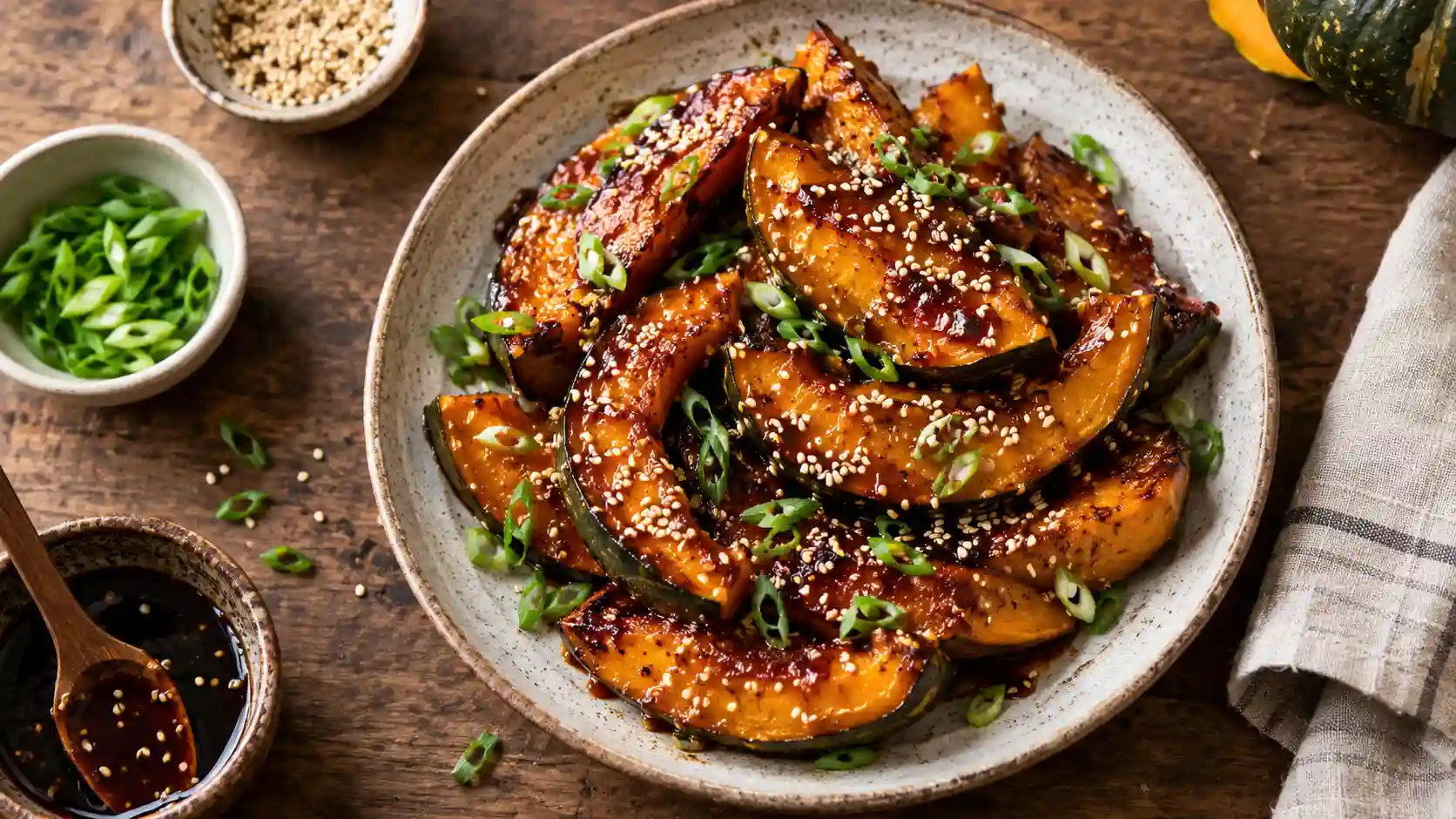
Miso roasted pumpkin is the foundational preparation that most other miso pumpkin dishes build on.
Basic method:
- Cut pumpkin into wedges or cubes, leaving the skin on for structure (it becomes tender when roasted).
- Whisk together miso paste, a neutral oil or melted butter, and a sweetener such as maple syrup.
- Toss the pumpkin in the glaze and spread it in a single layer on a baking sheet.
- Roast at a high temperature (around 400°F/200°C) until the edges caramelize and a knife slides in easily.
Leaving space between pieces on the pan matters: crowding traps steam, which softens the pumpkin instead of letting it brown. A maple miso pumpkin variation swaps in maple syrup as the primary sweetener for a more autumnal flavor, while a miso butter pumpkin version relies on browned butter for a nuttier, richer base than oil alone.
4. Miso Pumpkin Salad
Miso pumpkin salad typically combines roasted pumpkin cubes with greens, a grain, and a miso-based dressing. Kale is a common base because its sturdy leaves hold up well against warm roasted vegetables and a thicker dressing without wilting into mush — this is also why pumpkin and kale recipes appear frequently alongside miso pumpkin. A honey miso pumpkin salad usually pairs the roasted squash with a dressing made from miso, rice vinegar, honey, and sesame oil, finished with toasted seeds or nuts for texture contrast. Because the pumpkin is already seasoned before roasting, the dressing can be lighter than dressings used on plain roasted vegetables.
5. Miso Pumpkin Soup
Miso pumpkin soup, sometimes called pumpkin miso soup, blends the umami-forward approach into a broth-based format. There are two common versions: a light Japanese-style soup where miso is dissolved into a dashi or vegetable stock with small pieces of pumpkin, and a creamy blended miso pumpkin soup recipe where roasted pumpkin is pureed with stock, coconut milk or cream, and miso whisked in at the end. Miso is added off the heat or at low heat whenever possible, because prolonged boiling can dull its flavor and kill some of the beneficial live cultures found in unpasteurized varieties.
6. Miso Pumpkin Puree, Sauce, and Pasta
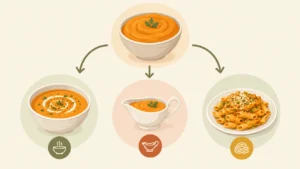
Miso pumpkin puree is roasted pumpkin blended smooth, often used as a base for soup, a spread, or a sauce. When thinned with pasta water, butter, and a splash of cream, it becomes a miso pumpkin sauce suitable for tossing with noodles. A buttery miso pumpkin pasta typically uses this sauce over a short pasta shape that can hold the thick coating in its ridges or curves. A miso pumpkin carbonara variation borrows the classic technique of emulsifying egg and cheese into a hot sauce, using miso pumpkin puree in place of (or alongside) the traditional guanciale fat for a vegetarian-friendly, umami-rich result.
7. Miso Pumpkin in the Air Fryer
Miso pumpkin air fryer preparation follows the same glaze ratio as oven roasting but uses less oil and shorter cooking times because hot air circulates more efficiently in a smaller space. Cubes should be spread in a single layer in the basket and shaken or flipped halfway through cooking to promote even caramelization on multiple sides. Because sugar in the glaze can burn quickly at high, concentrated heat, checking a few minutes before the estimated finish time helps avoid over-darkening compared to a full-size oven.
8. Beyond Savory: Miso Pumpkin Bread, Pie, and Cookies
Miso’s savory-sweet balancing act extends into baking. Miso pumpkin bread incorporates a small amount of miso into a standard pumpkin bread batter, where it deepens flavor without making the loaf taste savory outright — much like how salt is already used in sweet baking, just with added complexity. Miso pumpkin pie applies the same principle to a custard filling, and miso caramel pumpkin cookies combine miso into a caramel or brown butter cookie dough studded with pumpkin puree. In all three, miso is used in small quantities (typically a tablespoon or two per batch) since its saltiness and fermented flavor can overpower a dessert if overused.
9. Storage, Reheating, and Substitutions
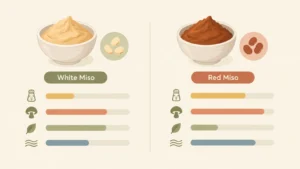
Roasted miso pumpkin keeps well refrigerated in an airtight container for three to four days. Reheating in an oven or air fryer restores more texture than a microwave, which tends to soften the caramelized edges. Miso pumpkin soup and puree freeze well for up to three months. For substitutions, white (shiro) miso is the most common choice for its mild sweetness, while red (aka) miso can be used for a more intense, salty flavor in smaller quantities. Any winter squash, such as butternut or kabocha, can generally substitute for pumpkin in these recipes with similar results.
Conclusion
Miso pumpkin is a flexible flavor pairing rather than a single dish, spanning roasted sides, salads, soups, sauces, pastas, and baked goods. The technique consistently relies on balancing miso’s salty, fermented depth against pumpkin’s natural sweetness, usually with the help of a fat and a complementary sweetener. Once the basic glaze ratio is understood, it can be adapted across cooking methods and course types.
FAQ
Does miso pumpkin taste salty or sweet?
Both — miso contributes saltiness and umami depth, while the pumpkin’s natural sugars (often enhanced with a sweetener like maple syrup) balance it out.
What type of miso works best with pumpkin?
White (shiro) miso is most common for its mild, slightly sweet profile, though red miso can be used in smaller amounts for a stronger flavor.
Can I use a different squash instead of pumpkin?
Yes, butternut squash and kabocha squash are common substitutes and behave similarly during roasting.
Why is my miso pumpkin glaze burning before the pumpkin is cooked?
This usually happens at very high heat because of the sugar content in the glaze; lowering the temperature slightly or using an air fryer with a shake-and-check approach helps prevent this.