Introduction
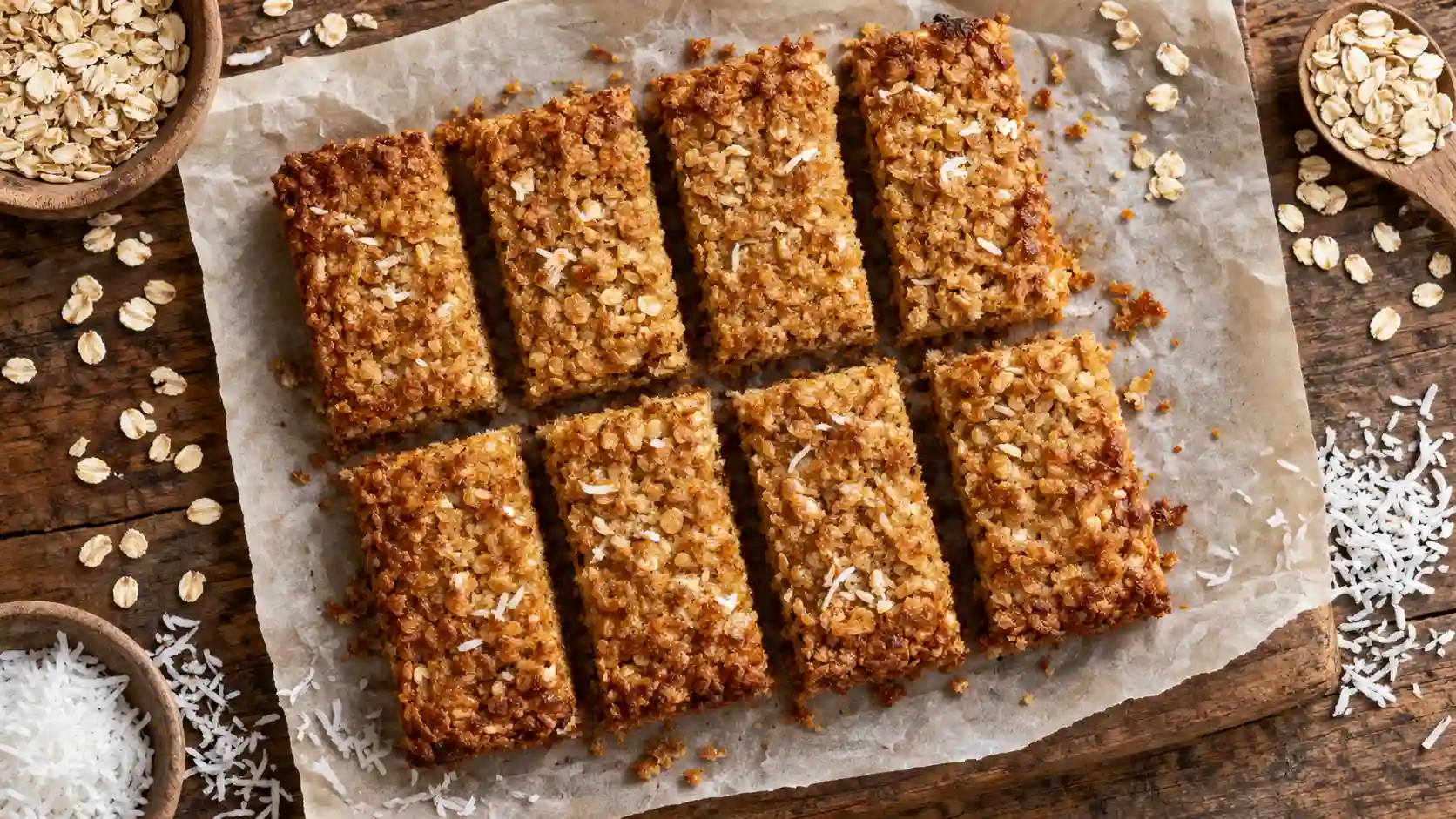
Anzac slice is a beloved Australian and New Zealand tray bake built on the same oats-coconut-golden syrup base as the classic Anzac biscuit, pressed into a pan instead of shaped into individual rounds. A healthy Anzac slice keeps that familiar toasty, buttery flavor while trimming refined sugar, reducing saturated fat, and boosting fiber and protein through smarter ingredient choices. It’s a practical option for lunchboxes, afternoon tea, or a not-too-indulgent treat that still delivers the nostalgic taste people associate with the original recipe.
Quick Summary
A healthy Anzac slice typically swaps white sugar for natural sweeteners like honey, maple syrup, or mashed banana, replaces some or all butter with coconut oil or nut butter, and increases the oat-to-syrup ratio for extra fiber. The result is a slice with less added sugar and saturated fat per serving than a traditional recipe, while still holding together in a firm, sliceable bar with a chewy or lightly crisp texture depending on baking time.
What Makes an Anzac Slice “Healthy”?
“Healthy” in this context generally refers to four adjustments compared with a traditional Anzac slice:
- Lower added sugar: using honey, rice malt syrup, or dates instead of, or alongside, golden syrup and brown sugar.
- Better fat quality: reducing butter or replacing part of it with coconut oil, which contains a different fatty acid profile, or nut butter, which adds unsaturated fats and protein.
- Increased fiber and protein: adding extra oats, seeds (chia, flax, sunflower), or a scoop of protein powder to slow digestion and improve satiety.
- Portion control: cutting the slice into smaller pieces, since Anzac slice remains calorie-dense even in a “healthier” form due to its oat and fat content.
None of these changes are mutually exclusive — most healthy versions combine two or three of them.
Key Ingredients and Smart Substitutions

The classic Anzac base is rolled oats, desiccated coconut, flour, butter, golden syrup, and bicarbonate of soda dissolved in boiling water (the reaction that gives the slice its characteristic slightly aerated, chewy bite). Each ingredient can be adjusted with a predictable effect on the final result:
- Golden syrup → honey or maple syrup: Honey behaves similarly in the caramelization reaction with bicarbonate of soda but browns slightly faster, so slices may need a few minutes less baking time.
- White or brown sugar → reduced or omitted: Cutting sugar entirely can make the slice less structurally cohesive, since sugar contributes to binding as it melts; compensating with a little extra honey or mashed banana helps maintain that binding effect.
- Butter → coconut oil (partial or full swap): Coconut oil sets firm at room temperature like butter, so it holds the slice’s structure similarly, but it lacks butter’s milk solids, which slightly reduces browning and richness of flavor.
- Plain flour → wholemeal flour or oat flour: This increases fiber but can make the slice denser; adding a tablespoon of extra liquid (milk or water) helps offset the dryness.
- Standard rolled oats → a mix of rolled and quick oats: Quick oats absorb more liquid and bind more tightly, useful for a firmer slice that cuts into clean bars.
- Desiccated coconut: Left as-is in most healthy versions, since it’s naturally low in sugar and contributes healthy medium-chain fats, though reducing the quantity slightly lowers overall calories.
Step-by-Step Method
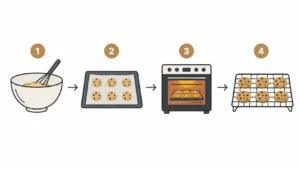
- Preheat the oven to 160°C (320°F) fan-forced (or 180°C/350°F conventional). A slightly lower temperature than a standard biscuit recipe helps prevent the edges of a slice from overbaking before the center sets, since a tray bake is thicker than individual biscuits.
- Combine dry ingredients — oats, coconut, flour, and a pinch of salt — in a large bowl.
- Melt the fat and sweetener together — coconut oil (or butter) with honey or maple syrup — over low heat until just combined, not boiling, to avoid degrading the honey’s flavor compounds.
- Dissolve bicarbonate of soda in a tablespoon of boiling water and stir it into the melted mixture. This step is essential: the reaction creates small air bubbles that lighten the otherwise dense oat mixture, giving the classic Anzac texture rather than a hard, compact bar.
- Pour the wet mixture into the dry ingredients and stir until just combined.
- Press firmly and evenly into a lined slice tin. Even pressure matters here — uneven thickness leads to some pieces underbaked and others overbaked.
- Bake for 20–25 minutes, until golden at the edges. The center will still feel soft on removal from the oven; it firms up as it cools, so resist the urge to bake until fully firm in the pan, which typically overbakes the edges.
- Cool completely in the tin before slicing. Cutting while warm causes crumbling, since the sugar and fat haven’t fully re-solidified.
Getting the Texture Right: Chewy vs. Crisp
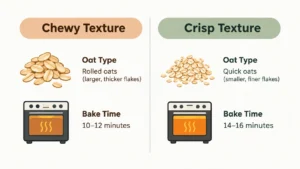
Texture is determined mainly by baking time and the ratio of quick to rolled oats. A shorter bake (around 18–20 minutes) with more quick oats produces a soft, chewy slice, while a longer bake (25–28 minutes) with a higher proportion of rolled oats produces a firmer, slightly crisp result. Reducing sugar tends to push the texture toward chewier and less crisp overall, since sugar assists with browning and crisping at the edges — a useful thing to know when adapting a traditional recipe.
Storage and Shelf Life
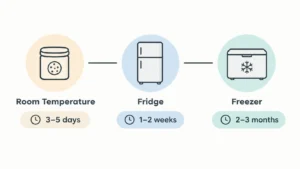
A healthy Anzac slice stores well due to its low moisture content. Kept in an airtight container at room temperature, it typically lasts 5–7 days. Refrigeration extends this to around two weeks but can slightly firm the texture, since coconut oil solidifies more than butter at cold temperatures. For longer storage, individual pieces freeze well for up to three months; thawing at room temperature for 20–30 minutes restores the original texture.
Calories and Nutritional Considerations
Because oats, coconut, and any fat source are all calorie-dense, even a “healthy” Anzac slice isn’t a low-calorie food — a standard piece typically ranges from 120–180 calories depending on size and ingredient swaps. The main nutritional improvement over a traditional recipe comes from reduced added sugar and, when nut butter or seeds are included, added fiber and protein, both of which support better satiety per calorie. Portion size remains the most reliable lever for a lower-calorie serving.
Adapting the Recipe for Kids, Weight Loss, and Thermomix
- For kids: Reduce honey slightly and cut pieces smaller, since children’s serves are typically smaller; nut-free versions can substitute seed butter for any nut-based binder.
- For weight loss: Prioritize smaller portions and higher-fiber add-ins like chia or flaxseed, which slow digestion and support fullness, rather than relying solely on sugar reduction.
- Thermomix method: Dry ingredients can be combined on Speed 4 for a few seconds; the wet mixture is best melted using the built-in heating function (around 90°C) before combining, following the same bicarbonate-and-boiling-water step as the stovetop method.
Conclusion
A healthy Anzac slice holds onto everything people love about the original — the toasty oats, the coconut, the chewy-crisp bite — while making a few targeted swaps: natural sweeteners in place of refined sugar, coconut oil or nut butter for part of the fat, and extra fiber from oats or seeds. Understanding why each ingredient behaves the way it does, rather than just following a fixed recipe, makes it easy to adjust for texture, dietary needs, or occasion without losing what makes this slice a classic.
FAQ
Is Anzac slice healthier than Anzac biscuits?
Not inherently — they use the same base ingredients. Slice and biscuit versions differ mainly in shape and baking time, not core nutrition, unless the recipe itself is adjusted.
Can I make Anzac slice sugar-free?
You can significantly reduce added sugar by using only honey or a sugar-free syrup alternative, though completely removing all sweetener affects both binding and browning.
Why did my healthy Anzac slice turn out too crumbly?
This usually happens when sugar or fat is reduced too much without compensating with extra binding liquid, or when the slice is cut before fully cooling.
Can I make this recipe gluten-free?
Yes — substituting a gluten-free flour blend and using certified gluten-free oats works well, though the texture may be slightly denser.
How long does healthy Anzac slice keep?
Around 5–7 days at room temperature in an airtight container, up to two weeks refrigerated, or up to three months frozen.