Introduction
Bliss balls made in a Thermomix are one of the most searched no-bake snacks in home cooking communities, and for good reason. The Thermomix’s combined chopping and mixing function turns a process that normally takes a food processor, a mixing bowl, and a fair amount of cleanup into a single five-minute job. Whether the goal is a healthy lunchbox filler, a higher-protein snack, or a naturally sweetened treat that avoids refined sugar, the Thermomix method produces a consistent, evenly blended result every time.
Quick Summary
Thermomix bliss balls are typically made by blending dates (or another sticky binder) with nuts, seeds, or oats, then adding flavor components such as cocoa, lemon zest, peanut butter, or protein powder. The mixture is processed on a chopping speed until it forms a cohesive, rollable dough, shaped into balls by hand, and chilled or frozen to set. The base ratio and method stay largely the same across variations — what changes is the flavoring and the choice of binder or coating.
What Are Bliss Balls?
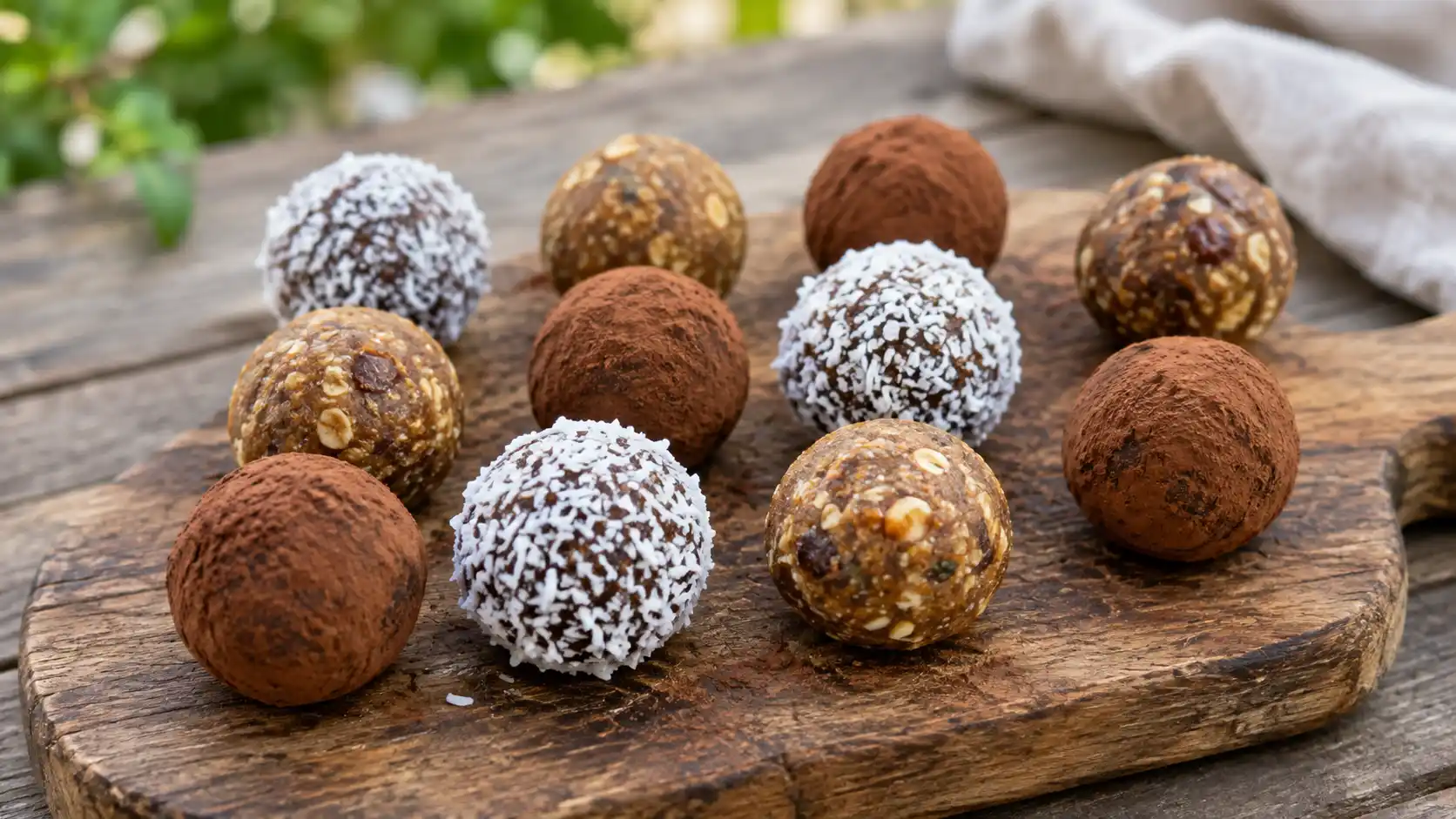
Bliss balls are bite-sized, no-bake snacks built around a sticky fruit base — most commonly Medjool dates — combined with nuts, seeds, or oats for texture and structure. Unlike baked energy balls that rely on nut butter and honey heated on a stovetop, bliss balls depend on the natural stickiness of blended dates to hold everything together, which is why the quality and moisture level of the dates has a direct effect on the final texture. Dry or aged dates won’t bind properly, so soaking them briefly in warm water before processing is a common fix when a batch feels crumbly rather than dough-like.
Essential Ingredients for Thermomix Bliss Balls

A standard Thermomix bliss ball recipe draws from a small set of interchangeable categories:
- Binder: Medjool dates are the standard choice because of their soft, sticky texture; other dried fruits such as apricots or prunes can substitute but usually need extra soaking time.
- Structure: almonds, cashews, or walnuts are typical, while sunflower seeds or pepitas serve the same structural role in nut-free versions.
- Flavor base: cocoa or cacao powder for chocolate versions, lemon zest and juice for citrus versions, shredded carrot and warming spices for carrot cake versions, or peanut butter for a richer, savory-sweet profile.
- Binding support: a small amount of coconut oil or nut butter helps the mixture come together when the dates alone aren’t sticky enough, particularly in nut-free or protein-heavy versions where dry powders soak up moisture.
- Protein boost: whey, pea, or plant-based protein powder increases protein content but also absorbs liquid, so recipes using it typically need an extra date or two, or a splash of milk, to keep the dough from crumbling.
Step-by-Step Thermomix Method
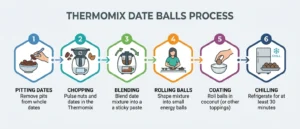
The Thermomix method follows a consistent sequence regardless of flavor variation:
- Pit and soften the dates. If dates feel firm, soak them in warm water for 5–10 minutes and drain well, since excess dryness is the most common cause of a dough that won’t hold together.
- Chop the nuts or seeds first, usually 3–5 seconds on speed 6–8, so they break down to a fine, even crumb before the sticky dates are added — adding dates first tends to clump around whole nuts rather than mixing evenly.
- Add the remaining ingredients, including dates, flavorings, and any oil or protein powder, then blend on a chopping speed (commonly speed 6–8) for 15–20 seconds, or until the mixture forms a cohesive ball around the blades.
- Check the consistency. The dough should hold its shape when pressed between two fingers without crumbling or feeling wet. If it’s too dry, add a teaspoon of water or nut butter and blend again briefly; if it’s too wet, add extra oats or desiccated coconut.
- Roll into balls, typically a tablespoon at a time, and optionally coat in shredded coconut, cacao powder, or crushed nuts to prevent sticking and add texture.
- Chill for at least 30 minutes before serving, which firms the coconut oil and any residual fat, giving the balls a cleaner bite and a longer hold at room temperature.
Popular Bliss Ball Variations
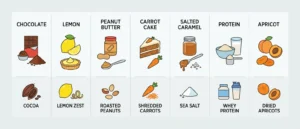
The base method above supports a wide range of flavor directions, each changing one or two ingredients while keeping the ratio of binder to structure roughly consistent:
- Chocolate bliss balls add cocoa or cacao powder plus a touch of extra liquid, since cocoa powder is drying and can tip a well-balanced dough into crumbly territory if added without adjustment.
- Lemon bliss balls use lemon zest and juice along with desiccated coconut, which pairs well with citrus and helps offset the extra moisture the juice introduces.
- Peanut butter bliss balls swap some or all of the whole nuts for peanut butter, producing a softer, creamier dough that usually needs fewer dates to reach the right consistency.
- Carrot cake bliss balls include finely grated carrot, cinnamon, and sometimes a small amount of oats, with the carrot’s moisture meaning slightly fewer dates are needed than in a standard batch.
- Salted caramel bliss balls rely on extra-soft dates blended until smooth, with a pinch of sea salt added at the end rather than during blending, so the salt doesn’t disappear into the mixture and lose its contrast.
- Protein bliss balls incorporate a scoop of protein powder, which increases the total dry content of the mix and usually requires either extra dates or a small amount of milk or water to keep the dough from drying out and cracking when rolled.
- Apricot bliss balls replace some or all of the dates with dried apricots for a tangier, less intensely sweet result, though apricots are generally less sticky than dates and may need a longer soak.
Nut-Free and Dietary Adaptations
Nut-free bliss balls substitute seeds — typically sunflower seeds, pepitas, or a seed-based butter — for almonds or cashews, keeping the same chopping-then-blending sequence. Because seeds are generally oilier than nuts once processed, nut-free doughs can turn slightly softer or greasier than nut-based versions, so reducing any added oil is a common adjustment. For those avoiding oats or gluten-containing add-ins, desiccated coconut or ground seeds work as a like-for-like textural substitute without changing the core method.
Storage and Shelf Life
Because bliss balls contain no eggs, dairy, or raw flour, they store differently from baked goods: refrigerated in an airtight container, they typically keep for 1–2 weeks, while freezing extends that to around 2–3 months. Freezing doesn’t significantly change the texture on thawing, since the mixture has no water-based structure to break down — most people simply let them sit at room temperature for 10–15 minutes before eating from frozen.
Common Mistakes and How to Avoid Them

The most frequent issue is a mixture that’s too dry to roll, almost always traced back to under-soaked dates or too much added protein powder or cocoa without a corresponding increase in moisture. The opposite problem — a mixture too wet or sticky to shape — usually comes from over-soaking dates or using very ripe, high-moisture fruit; adding a tablespoon of oats, coconut, or extra nuts/seeds and blending briefly corrects it. Over-processing is another common error: blending well past the point the dough forms a ball can turn nut butter into an oily paste, making the final texture greasy rather than firm.
Conclusion
Thermomix bliss balls follow a simple, repeatable formula — a sticky fruit binder, a structural nut or seed base, and a flavor component — that adapts easily across chocolate, lemon, peanut butter, carrot cake, and protein-boosted versions without changing the underlying method. Understanding how moisture, fat, and dry ingredients interact makes it straightforward to troubleshoot a dough that’s too dry or too wet, and to adapt any base recipe to nut-free or higher-protein needs.
FAQ
Do I need to soak the dates before making bliss balls in a Thermomix?
Only if they feel firm or dry. Fresh, soft Medjool dates usually blend smoothly without soaking, but firmer dates should be soaked in warm water for 5–10 minutes and drained to help them break down properly.
Why did my bliss balls turn out crumbly?
Crumbly bliss balls are almost always caused by insufficient moisture, whether from dry dates, too much protein powder or cocoa, or under-blending. Adding a teaspoon of water, nut butter, or an extra date and re-blending briefly usually fixes it.
Can I make bliss balls without nuts in a Thermomix?
Yes. Sunflower seeds or pepitas substitute directly for almonds or cashews using the same chop-then-blend method, though the finished dough may be slightly softer due to the higher natural oil content in seeds.
How long do Thermomix bliss balls last?
Refrigerated in an airtight container, they generally keep for 1–2 weeks; frozen, they last around 2–3 months without a noticeable change in texture once thawed.
What speed should I use to blend bliss balls in a Thermomix?
Most recipes use a chopping speed between 6 and 8 for 15–20 seconds, after first chopping nuts or seeds separately for a few seconds so they break down evenly before the sticky ingredients are added.