Introduction
Chilli oil is one of the most versatile condiments in a home cook’s kitchen, but most people only ever spoon it onto dumplings and stop there. In reality, chilli oil works as a finishing oil, a cooking fat, a marinade base, and a flavor layer across dozens of dishes — from eggs and noodles to pizza and dal. Knowing how and when to add it changes the result more than most cooks expect, because heat, timing, and the oil’s own ingredients all affect whether you get a fragrant background note or an overpowering blast of heat.
Quick Summary
Chilli oil is best used as a finishing touch added after cooking, since high heat can scorch the chilli flakes and aromatics suspended in it and turn their flavor bitter. It works in three broad ways: drizzled raw over finished dishes (eggs, noodles, pizza), stirred into sauces and dressings, or used sparingly as a light cooking fat for aromatics at the start of a dish. The right amount is usually a teaspoon to a tablespoon per serving, adjusted for the oil’s heat level and whether it contains crunchy solids like fried garlic, shallots, or soybeans.
What’s Actually in Chilli Oil
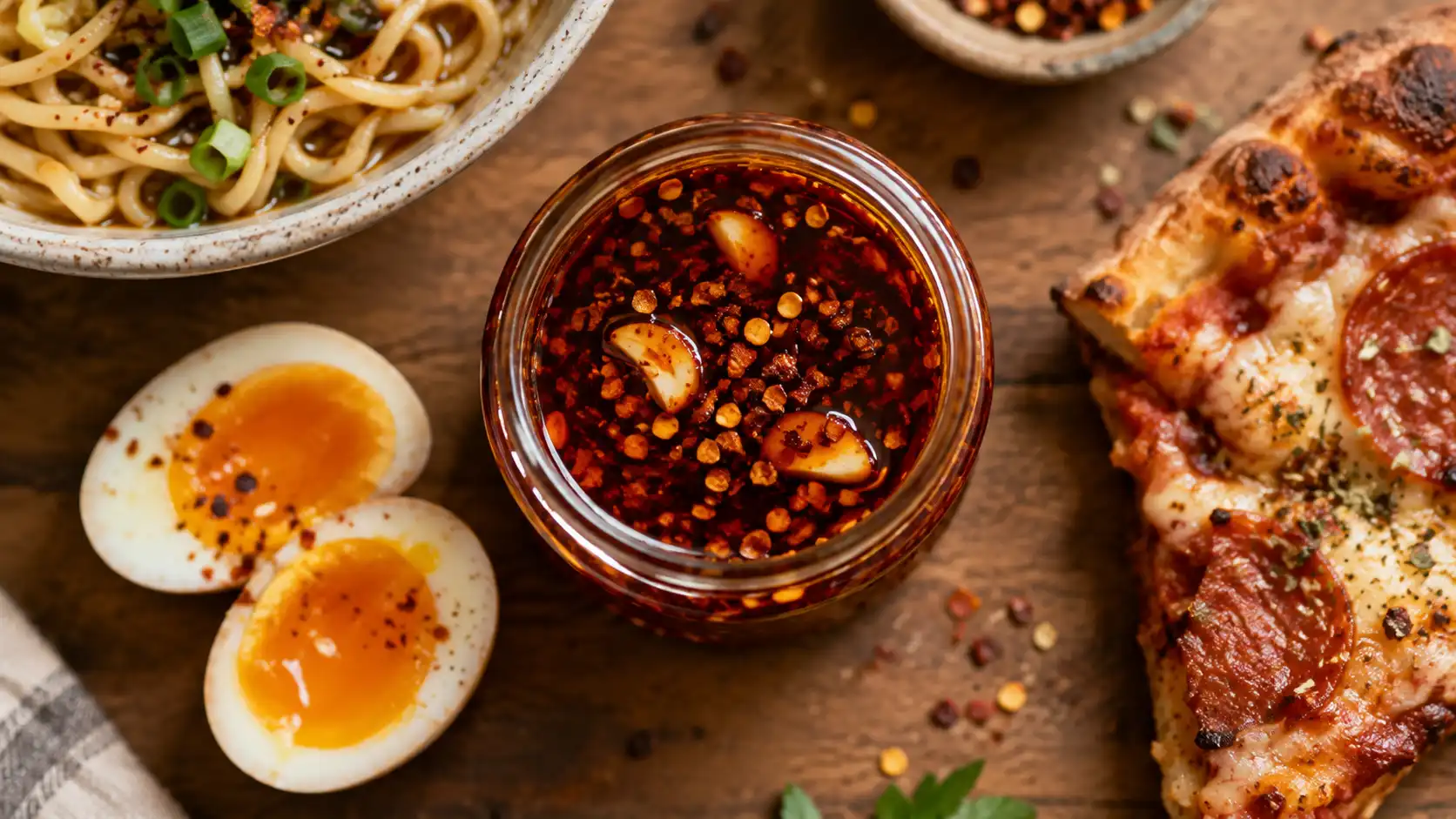
Most chilli oils share a similar base: a neutral oil (often vegetable, peanut, or canola) infused with dried chilli flakes, and frequently built up with aromatics like garlic, shallot, ginger, star anise, cinnamon, and Sichuan peppercorn. The oil is typically heated to a specific temperature — usually around 350–375°F (175–190°C) — before being poured over the chilli flakes, which “blooms” their color and aroma without burning them. Oil that’s too hot scorches the flakes and produces a bitter, acrid taste; oil that’s too cool won’t extract enough flavor or achieve the deep red color associated with a good chilli oil.
This matters for how you use the finished product: an oil packed with fried solids (garlic bits, crunchy shallots, toasted sesame or soybeans) behaves more like a topping than a liquid seasoning, and is best spooned on for texture. A cleaner, strained oil behaves more like a flavored cooking fat and blends more smoothly into sauces and marinades.
How to Use Chilli Oil in Everyday Cooking
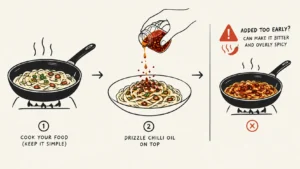
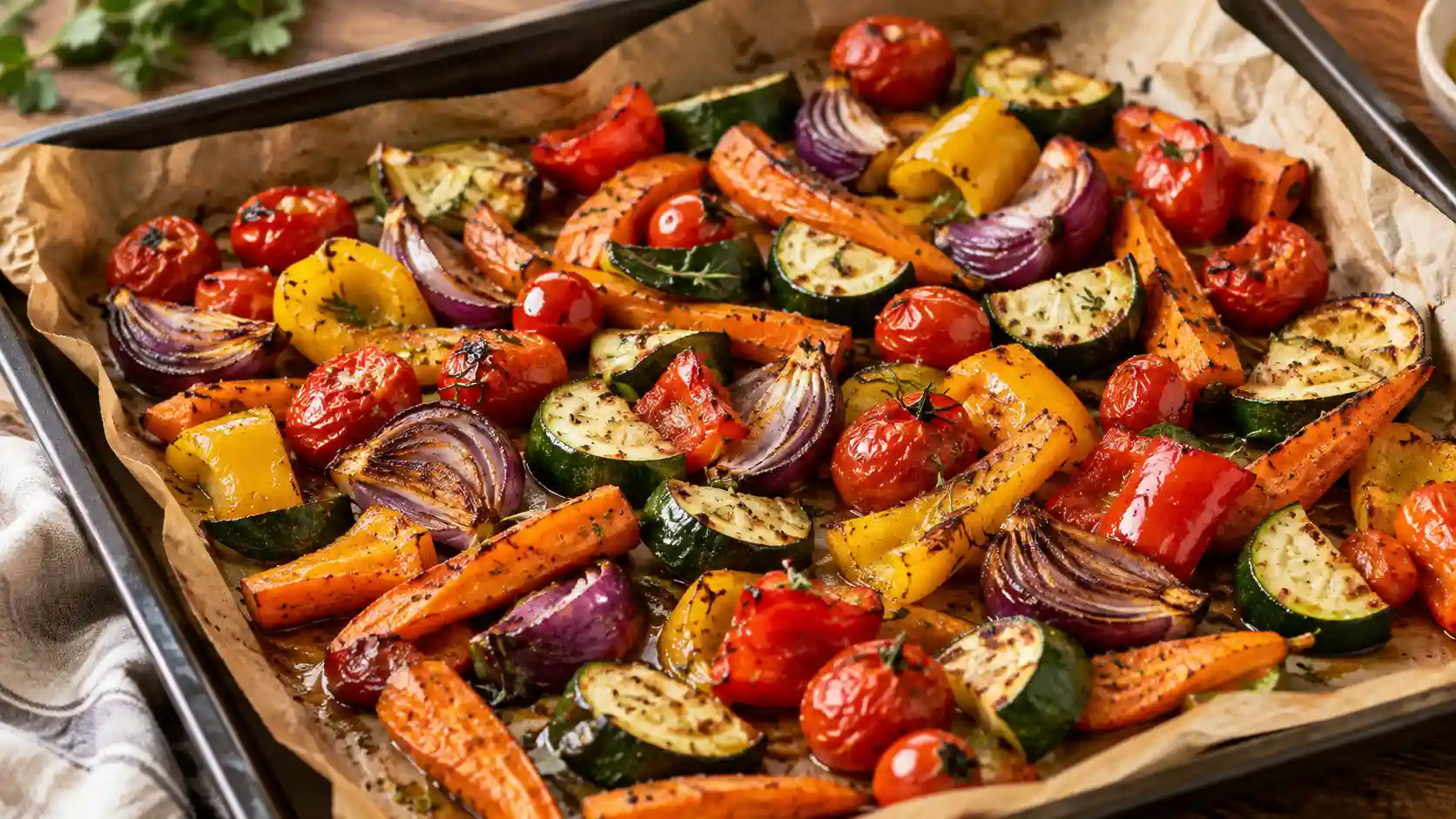
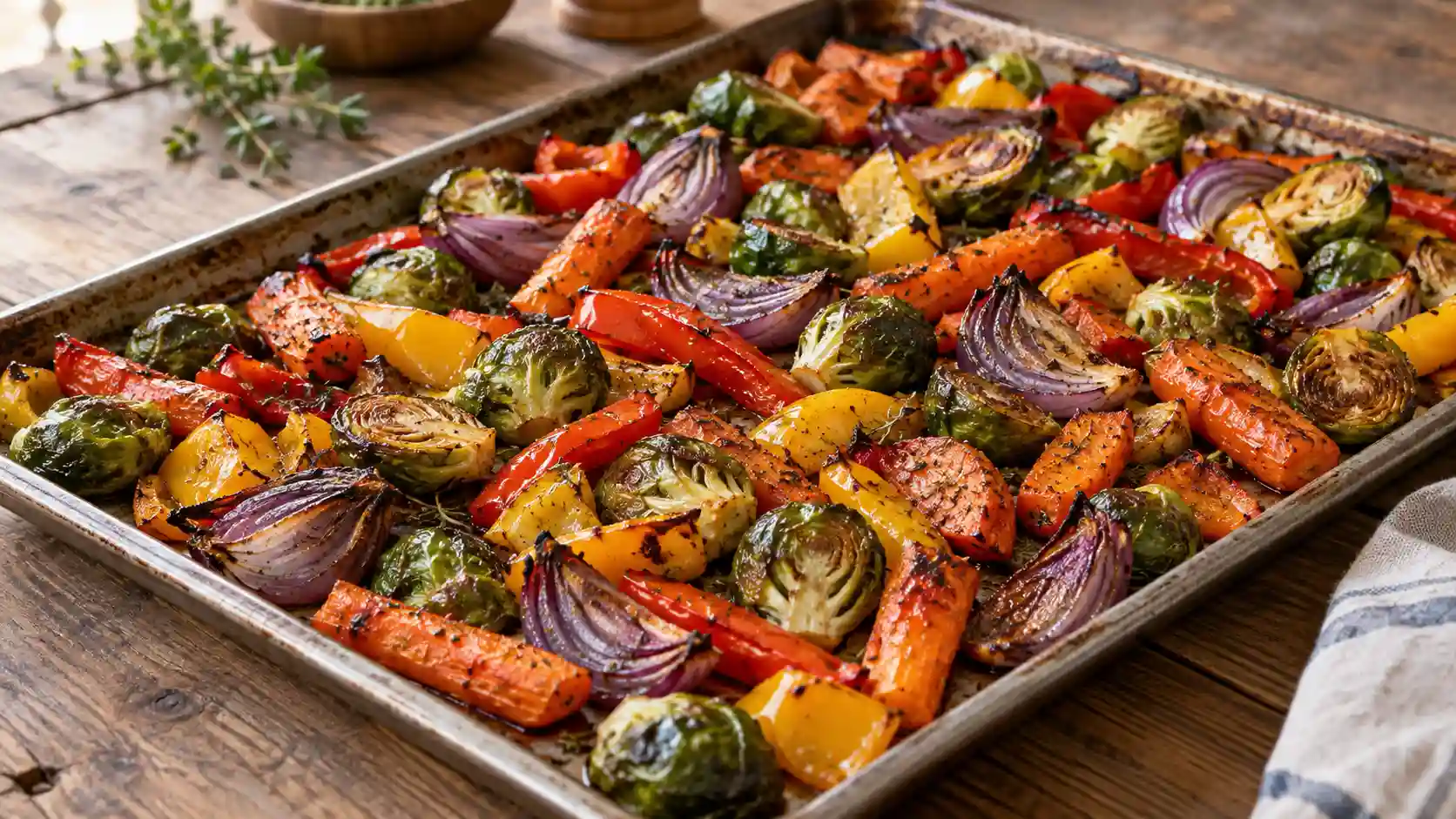
As a general rule, chilli oil is added at the end of cooking rather than the beginning. Because the chilli flakes and aromatics in the oil are already cooked once during infusion, a second round of high heat can push them past their flavor threshold and into bitterness. The simplest and most reliable way to use it is as a finishing drizzle: stir a small amount into soups, spoon it over roasted vegetables, or fold it into a dip or dressing just before serving. If a recipe calls for chilli oil “to cook with,” it usually means using it in place of a small portion of the regular cooking oil for the last minute of cooking, not as the primary fat for a long sauté.
How to Use Chilli Oil with Eggs
Eggs are one of the most common vehicles for chilli oil because their mild, fatty richness balances heat well. For fried eggs, cook the eggs in neutral oil or butter as usual, then drizzle chilli oil over the top right before serving so the crispy edges soak it up. For soft-scrambled or steamed eggs, chilli oil can be stirred in directly at the end for a marbled effect. It’s also a common addition to soy-sauce eggs and egg-drop soup, where a small spoonful stirred in just before eating adds both heat and aromatic depth without overwhelming the egg’s texture.
How to Use Chilli Oil in Stir-Fry
In stir-fry, timing is the main variable that determines the outcome. Adding chilli oil at the very start, alongside aromatics like garlic and ginger, works if the oil is being used as a flavor base for the whole dish — but because stir-fry heat is typically very high (well above the oil’s original infusion temperature), any solids in the oil can burn quickly. A more controlled approach is to stir-fry with a neutral oil as normal, then remove the pan from heat and swirl in the chilli oil at the very end, which preserves its aroma and prevents the garlic or chilli flakes inside it from turning acrid.
How to Use Chilli Oil in Noodles and Ramen
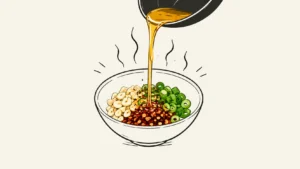
Chilli oil noodles, sometimes labeled hot oil noodles or garlic chilli noodles, are built around the principle of pouring hot oil over raw aromatics to “bloom” them at the table, similar to how the oil itself is made. A typical method: place minced garlic, scallion, and chilli flakes (fresh, not necessarily from a jar) in a bowl with soy sauce, vinegar, and a little sugar, then pour freshly heated oil — or warmed chilli oil — directly over the aromatics before tossing with hot cooked noodles. This method releases fragrance that a cold drizzle can’t replicate, because the residual heat continues to cook the raw garlic and scallion slightly.
For chilli oil ramen, the same logic applies on top of a finished bowl: chilli oil is added after the broth, noodles, and toppings are assembled, so its aroma sits on the surface rather than dissolving into a long-simmered broth, which would mute its flavor and color.
How to Use Chilli Oil in Fried Rice
Fried rice benefits from chilli oil in two stages. A small amount can be used to fry the rice itself, since the short, high-heat cooking time of fried rice is closer to a quick sear than a slow simmer, meaning the chilli flakes get some color and aroma without prolonged burning. A second, larger drizzle added just before serving reinforces the flavor that may have faded during cooking. Using chilli oil only at the frying stage tends to produce a milder, more background heat; adding it only at the end produces a sharper, more immediate one.
How to Use Chilli Oil in Pasta
Chilli oil works well in pasta as a substitute or complement to traditional chilli-infused olive oil used in dishes like aglio e olio. Because pasta sauces are often emulsified with starchy pasta water, chilli oil can be stirred in during the final toss with the pasta and a splash of reserved cooking water, allowing the oil to coat the noodles evenly rather than pooling. Adding it earlier, during the garlic-sautéing stage, is possible but again risks scorching any solids suspended in the oil given the higher heat typically used to soften garlic.
How to Use Chilli Oil on Pizza
On pizza, chilli oil is almost always used raw, applied after baking rather than before. Because pizza ovens run at very high temperatures, any chilli oil added pre-bake is likely to burn, turning bitter and darkening unattractively on the crust. Drizzling it on immediately after the pizza comes out of the oven allows the residual heat to warm the oil slightly, releasing aroma, without cooking off its flavor compounds.
How to Use Chilli Oil in Indian Cooking
While chilli oil in Indian cooking is less codified than East Asian styles, the same principles apply. It’s commonly used as a finishing oil (“tadka” or “tempering” style) over dals, curries, and rice dishes, or stirred into raita and chutneys for heat without needing to add fresh chillies. Because many Indian dishes already use a hot-oil tempering technique with spices like cumin, mustard seed, and curry leaves, chilli oil can be folded into that same tempering step at the end of cooking rather than added at the start.
Popular Chilli Oil Styles, Including Crispy Chilli Oil

“Crispy” chilli oil styles — popularized in restaurant and jarred formats, including well-known commercial versions like Marion’s Kitchen crispy chilli oil — differ from thinner, more liquid chilli oils by including a higher ratio of fried solids: crunchy garlic, shallots, and sometimes soybeans or peanuts suspended in the oil. These styles are best used as a spoon-on topping rather than a pourable seasoning, since much of their appeal comes from texture as well as heat. They work particularly well over eggs, rice, noodles, and dumplings, where the crunchy bits provide contrast to soft textures.
Storage, Shelf Life, and Food Safety
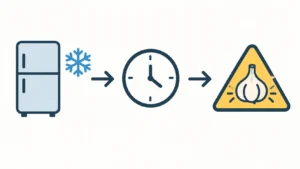
Because chilli oil often contains raw aromatics like garlic infused in oil at room temperature, it should generally be refrigerated once opened or homemade, even though many commercial jars are shelf-stable before opening due to processing methods. Garlic-in-oil mixtures stored at room temperature carry a small but real risk of botulism growth, since the oil creates a low-oxygen environment garlic-borne bacteria can tolerate. Refrigerated chilli oil typically keeps well for several weeks to a couple of months; if the oil develops an off smell, cloudiness beyond its normal appearance, or bubbling, it should be discarded.
Conclusion
The single biggest factor in getting good results from chilli oil is timing: using it as a finishing touch preserves its aroma and prevents the bitterness that comes from re-cooking already-infused chilli flakes and aromatics at high heat. Whether it’s drizzled over eggs, tossed through noodles, spooned onto pizza, or stirred into a dal, chilli oil rewards a light hand and a late addition far more than heavy use early in the cooking process.
FAQ
Can I cook directly with chilli oil instead of regular oil?
You can, but in small amounts and for short cooking times, since prolonged high heat can burn the chilli flakes and aromatics inside it and make the flavor bitter.
Does chilli oil need to be refrigerated?
Homemade chilli oil and any variety containing raw garlic should be refrigerated after opening to reduce the risk of bacterial growth, even if it looked shelf-stable in the jar.
Why does my chilli oil taste bitter?
Bitterness usually comes from the oil being heated too hot during infusion, or from adding the oil to another dish while it’s still cooking over high heat.
What’s the difference between regular chilli oil and crispy chilli oil?
Crispy chilli oil contains a higher ratio of fried solids like garlic, shallots, or soybeans, making it more of a textured topping than a pourable seasoning oil.
How much chilli oil should I use per serving?
Most dishes need only a teaspoon to a tablespoon, depending on the oil’s heat level and whether it includes crunchy solids.