Introduction
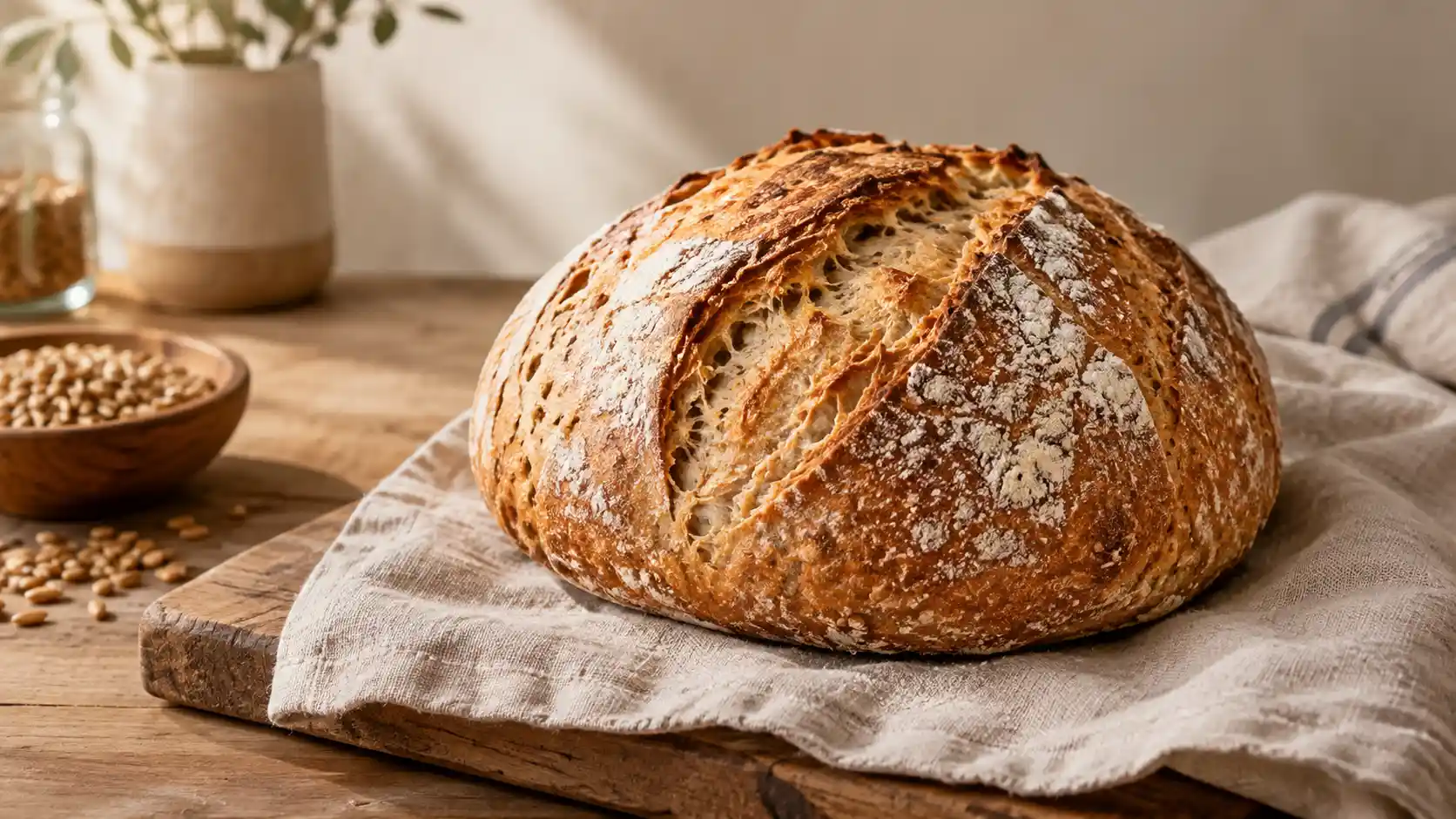
Spelt bread has earned a steady following among home bakers who want the nutty, slightly sweet flavor of an ancient grain without abandoning traditional bread-baking techniques. Made from spelt flour — a close relative of modern wheat — this bread offers a denser crumb, a distinctive golden-brown color, and a flavor profile many describe as earthier and more complex than standard white or whole wheat loaves. This guide covers everything from what spelt actually is to step-by-step methods for baking it at home, whether you prefer a classic yeasted loaf, a slow-fermented sourdough, a bread machine shortcut, or a quick no-yeast version.
Quick Summary
Spelt is an ancient wheat variety containing gluten, so spelt bread is not gluten-free despite common misconceptions. It’s often easier to digest than modern wheat for some people due to its different gluten structure, and it delivers more fiber, protein, and micronutrients than refined white flour. Spelt bread can be made using traditional kneading, sourdough fermentation, a bread machine, or no-yeast quick-bread methods, and its flour also works well in sweet variations like banana bread.
What Is Spelt?
Spelt (Triticum spelta) is an ancient grain in the wheat family, cultivated for thousands of years before modern high-yield wheat varieties became dominant. Unlike contemporary wheat, spelt has a tougher outer husk that must be removed through a dehulling process before milling, which is one reason it remained a niche grain for much of the 20th century before a resurgence in artisan and health-focused baking.
Spelt flour is typically higher in protein than all-purpose wheat flour but produces a gluten structure that’s more extensible and less elastic. This affects how spelt dough behaves — it tends to be stickier and requires gentler handling than standard bread dough.
Spelt vs. Wheat Flour: Key Differences
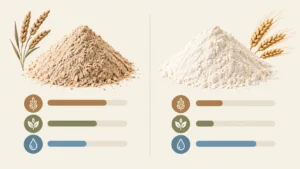
The most practical differences between spelt and modern wheat flour come down to gluten strength, flavor, and nutrition:
- Gluten structure: Spelt gluten is more fragile and dissolves more easily in water, meaning spelt dough benefits from shorter mixing times and less aggressive kneading than standard wheat dough.
- Flavor: Spelt has a nuttier, slightly sweet taste compared to the more neutral flavor of refined wheat flour.
- Water absorption: Spelt flour generally absorbs liquid more slowly, so recipes converted from wheat to spelt often need adjusted hydration levels.
- Nutrition: Whole grain spelt flour tends to contain more fiber, protein, and certain minerals like manganese and zinc compared to refined wheat flour, though whole wheat and whole spelt are nutritionally similar overall.
Is Spelt Bread Gluten-Free?
No. Spelt is a form of wheat and contains gluten, so spelt bread is not suitable for anyone with celiac disease or a diagnosed gluten intolerance. This is one of the most searched questions about spelt, likely because spelt’s “ancient grain” branding creates confusion with genuinely gluten-free grains like rice, buckwheat, or certified gluten-free oats.
That said, some people who experience mild sensitivity to modern wheat report easier digestion with spelt, possibly due to its different gluten composition and higher water solubility. This is not a medical guarantee, and anyone with celiac disease should avoid spelt entirely.
Health Benefits of Spelt Bread
Spelt bread, particularly when made with whole grain spelt flour, offers several nutritional advantages over bread made with refined white flour:
- Higher fiber content, which supports digestive health and helps maintain steady blood sugar levels
- More complete protein profile compared to refined wheat products
- Micronutrients including manganese, phosphorus, niacin, and magnesium
- Lower glycemic impact in some studies compared to bread made from refined flour, due to its fiber content
As with any bread, the health value depends heavily on whether it’s made with whole grain spelt flour versus a refined, white spelt flour, and on the presence of added sugars, seed oils, or preservatives in store-bought versions.
Spelt Bread Ingredients You’ll Need
A basic spelt bread recipe requires only a handful of pantry staples:
- Whole grain or white spelt flour
- Water (slightly less than a wheat-based recipe, added gradually)
- Instant or active dry yeast
- Salt
- A small amount of honey, maple syrup, or sugar (optional, helps yeast activity)
- Olive oil or another neutral oil (optional, for softer crumb)
Because spelt absorbs water differently than wheat, it’s best to add liquid incrementally rather than dumping it all in at once, adjusting until the dough is tacky but manageable.
How to Make Spelt Bread (Classic Method)
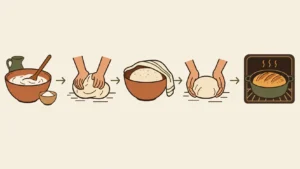
- Mix the dough: Combine flour, salt, and yeast in a bowl. Add water gradually, mixing until a shaggy dough forms.
- Knead gently: Knead for 5–7 minutes — significantly less than standard wheat dough — since overworking spelt’s fragile gluten can cause the dough to tear rather than stretch.
- First rise: Let the dough rise in a covered bowl for about 60–90 minutes, or until roughly doubled.
- Shape the loaf: Gently shape into a boule or loaf pan shape without deflating too much air.
- Second rise: Proof for another 30–45 minutes.
- Bake: Bake at 375–400°F (190–200°C) for 35–40 minutes, until the crust is deep golden and the loaf sounds hollow when tapped.
Spelt Sourdough Bread
Spelt sourdough bread combines the tangy depth of natural fermentation with spelt’s nutty flavor. Because spelt ferments faster than modern wheat due to its more fragile starches, bulk fermentation times often need to be shortened to avoid overproofing. A typical approach uses a mature sourdough starter, a longer autolyse (resting flour and water before adding starter and salt) to compensate for spelt’s weaker gluten, and a cooler, slower final proof — often in the refrigerator overnight — to develop flavor while keeping the structure intact.
Spelt Bread Machine Recipe
For a hands-off approach, a bread machine simplifies the process considerably. Use the machine’s whole wheat or basic bread setting, but reduce the kneading time if your machine allows manual adjustment, since spelt dough over-kneads easily. Add ingredients in the order specified by your machine’s manufacturer (usually liquids first, then flour, with yeast added last or kept separate from salt). Because spelt is more delicate, some bakers get better results using the “quick bread” or shortened cycle rather than the standard extended cycle.
No-Yeast Spelt Bread
For a faster alternative, spelt flour also works well in quick breads leavened with baking soda or baking powder instead of yeast. These loaves — often closer to a soda bread in texture — combine spelt flour with buttermilk or yogurt, a leavening agent, salt, and sometimes a touch of sugar. They’re mixed, shaped, and baked within about an hour total, making them a practical option when time doesn’t allow for proofing.
Spelt Banana Bread
Spelt flour adapts easily to sweet baking, and spelt banana bread is one of the most popular variations. Substituting spelt flour for all-purpose flour in a standard banana bread recipe generally works at a 1:1 ratio, though the batter may need slightly less liquid since spelt absorbs moisture differently once combined with mashed banana. The result is a denser, more rustic crumb with a subtle nutty undertone that pairs well with the banana’s natural sweetness.
Storage and Texture Tips
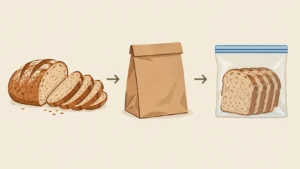
Spelt bread tends to dry out slightly faster than wheat bread due to its different starch structure. Store cooled loaves in a paper bag for a day or two to maintain crust texture, then switch to an airtight container or freezer for longer storage. Slicing and freezing individual portions helps preserve freshness, since spelt bread reheats well from frozen in a toaster or oven.
Spelt Bread in French
For readers researching or ordering spelt bread while traveling or shopping in French-speaking regions, spelt is called épeautre, and spelt bread translates to pain d’épeautre.
Conclusion
Spelt bread offers a flavorful, nutrient-dense alternative to conventional wheat bread, whether baked as a classic yeasted loaf, a slow-fermented sourdough, a bread machine shortcut, or a quick no-yeast version. While it contains gluten and isn’t suitable for those with celiac disease, its fiber content, distinct nutty flavor, and versatility across savory and sweet recipes make it a worthwhile addition to a home baker’s repertoire.
FAQ
Is spelt bread good for you?
Whole grain spelt bread offers more fiber, protein, and micronutrients than refined white bread, making it a nutritious choice for people without gluten sensitivities.
Is spelt bread the same as gluten-free bread?
No. Spelt contains gluten and is not appropriate for a gluten-free diet.
Can I substitute spelt flour 1:1 for wheat flour?
Generally yes, but reduce liquid slightly and knead less, since spelt absorbs water differently and has a more fragile gluten structure.
What does spelt bread taste like?
Spelt bread has a nutty, slightly sweet flavor that’s more pronounced than standard wheat bread.