Introduction
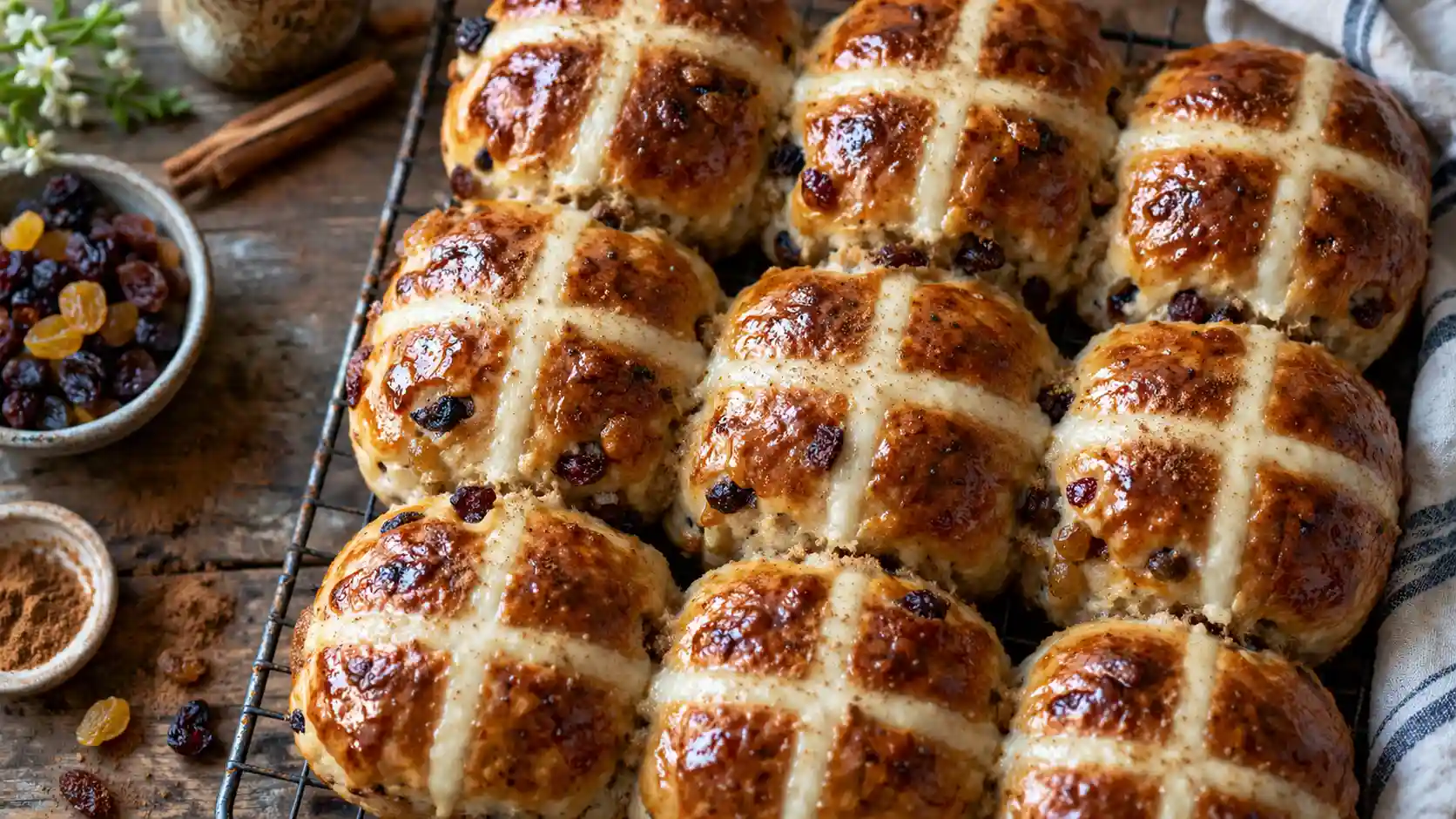
Few baked goods carry as much tradition, aroma, and seasonal meaning as the hot cross bun. Lightly spiced, studded with dried fruit, and marked with a distinctive cross on top, this soft yeasted bun has been a fixture of Easter tables for centuries. While hot cross buns are widely available at supermarkets and bakeries, understanding how they’re made — and what makes a good one — helps home bakers recreate that same comforting result in their own kitchen. This guide covers everything from the essential ingredients to a simple, reliable recipe, along with the cultural history behind the bun’s famous cross and rhyme.
Quick Summary
- A hot cross bun is a spiced, sweet yeast bun containing dried fruit (typically currants or sultanas) and a cross marked on top, traditionally eaten during Lent and Easter.
- The dough is enriched with milk, butter, egg, and warm spices like cinnamon, nutmeg, and mixed spice.
- The cross is usually piped from a flour-and-water paste before baking, or made from pastry strips.
- A basic batch takes roughly 3 hours including proofing time, though most of that is hands-off.
- Variations include chocolate chip versions, fruitless buns, and different glaze finishes.
What Is a Hot Cross Bun?
A hot cross bun is an enriched, lightly sweetened bread roll flavored with warm baking spices and mixed dried fruit. The defining feature is the cross on top, traditionally symbolizing the crucifixion, which is why the buns are strongly associated with Good Friday and the Easter period in many English-speaking countries, including Australia and the UK.
The dough itself is an “enriched dough,” meaning it contains fat, sugar, egg, and dairy in addition to flour, yeast, and liquid. This enrichment is what gives hot cross buns their soft, slightly tender crumb, as opposed to a lean bread dough, which would bake up chewier and denser.
Key Ingredients and Why Each One Matters
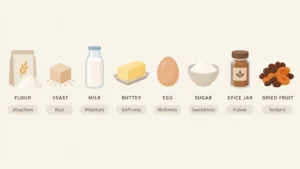
Each ingredient in a hot cross bun plays a specific structural or flavor role:
- Bread flour provides the gluten structure needed to trap gas from the yeast, giving the buns their rise and chew. Using all-purpose flour instead will produce a slightly softer, less structured crumb.
- Yeast is the leavening agent responsible for the dough’s rise. Instant yeast can be mixed directly into the flour, while active dry yeast typically needs to be dissolved in warm liquid first.
- Milk adds moisture, tenderness, and a subtly rich flavor compared to using water alone.
- Butter coats the flour’s gluten strands, which softens the final texture and slows staling.
- Egg contributes richness, color, and structure, helping bind the enriched dough together.
- Sugar feeds the yeast, aids browning during baking, and adds sweetness.
- Spices — typically cinnamon, mixed spice, nutmeg, and sometimes allspice or cloves — are what give hot cross buns their signature warm flavor.
- Dried fruit (currants, sultanas, or raisins) adds bursts of sweetness and chewiness; soaking the fruit beforehand prevents it from drawing moisture out of the dough during baking.
- Citrus zest, often orange, brightens the spice mix and balances the sweetness.
Simple Hot Cross Bun Recipe (Step-by-Step)
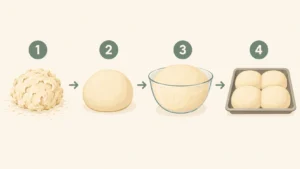
This straightforward method makes approximately 12 buns.
1. Activate the yeast. Warm the milk gently (it should feel warm, not hot, to the touch — too hot will kill the yeast). Stir in the sugar and yeast, and let it sit for about 10 minutes until foamy.
2. Mix the dough. Combine flour, spices, and salt in a large bowl. Add the yeast mixture, melted butter, and egg. Mix until a shaggy dough forms.
3. Knead. Knead for 8–10 minutes by hand, or 5–6 minutes in a stand mixer with a dough hook, until the dough is smooth and elastic. Proper kneading develops the gluten network, which is what allows the dough to hold its shape and rise evenly.
4. First proof. Place the dough in a lightly oiled bowl, cover, and let it rise in a warm spot for about 1–1.5 hours, or until doubled in size.
5. Add the fruit. Gently knead the soaked, drained dried fruit and citrus zest into the risen dough, distributing it evenly without overworking the dough.
6. Shape and second proof. Divide the dough into equal pieces, shape into tight rounds, and arrange them close together on a lined tray so they touch as they rise — this encourages the soft, pull-apart sides. Cover and proof for another 30–45 minutes.
7. Pipe the crosses. Mix flour and water into a thick paste and pipe crosses across the top of each bun.
8. Bake. Bake at around 190–200°C (375–390°F) for 18–22 minutes, until golden brown and the buns sound hollow when tapped underneath.
9. Glaze. Brush warm buns with a simple sugar-water or apricot glaze immediately after baking for a shiny, slightly sticky finish.
Chocolate Hot Cross Buns Variation
A popular modern variation swaps some or all of the dried fruit for chocolate chips or chunks, often paired with orange zest for a chocolate-orange flavor profile. To adapt the base recipe, replace the dried fruit with an equal weight of dark or milk chocolate chips, folding them in after the first proof just as you would the fruit. Some bakers also reduce the mixed spice slightly in chocolate versions, since cocoa and spice can compete rather than complement each other in large quantities.
Common Mistakes and How to Avoid Them
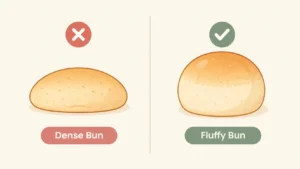
- Liquid too hot when activating yeast: This kills the yeast, preventing the dough from rising. Liquid should be warm, around 37–43°C (98–110°F).
- Under-kneading: Produces a weak gluten structure, resulting in dense, flat buns rather than a light, pillowy crumb.
- Skipping the second proof: Buns baked without a proper final rise will be tight and dense rather than fluffy.
- Adding fruit too early: Mixing dried fruit in before the dough is developed can tear the gluten strands, weakening structure.
- Overbaking: Leaves the buns dry; check for a hollow sound and golden color rather than relying on time alone, since oven temperatures vary.
Storage and Freshness Tips
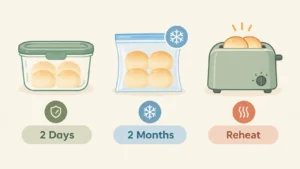
Hot cross buns are best eaten fresh, ideally the same day or within 24 hours, split and toasted with butter. To store, keep them in an airtight container at room temperature for up to 2 days. For longer storage, freeze the buns in a sealed bag for up to 2 months; thaw at room temperature and refresh briefly in the oven or toaster before serving, since freezing can slightly dull the crust’s texture.
The Traditional Rhyme and Cultural Significance
Hot cross buns are tied to a well-known English nursery rhyme historically sung by street vendors selling the buns on Good Friday mornings. The rhyme’s short, sing-song structure made it easy for vendors to call out prices and freshness to passersby, and it has since become one of the most widely taught tunes for beginner recorder and piano students. Beyond the rhyme, the bun’s cross has long carried religious symbolism tied to Good Friday, and the spices used were historically associated with the end of Lenten fasting, making the bun both a seasonal treat and a marker of the Easter calendar.
Conclusion
The hot cross bun endures because it balances comforting simplicity with genuine craft — a soft, spiced dough, a scattering of fruit, and a cross that signals its seasonal purpose. Whether made the traditional way with currants and mixed spice, or adapted into a chocolate variation, the same fundamentals apply: proper yeast activation, thorough kneading, and two full proofs are what separate a dense, flat bun from a light, bakery-quality one. With the step-by-step method above, home bakers can recreate that result well ahead of Easter.
FAQ
What makes a bun a “hot cross bun” specifically?
The defining features are a spiced, enriched dough studded with dried fruit and a cross marked on top, traditionally eaten around Easter.
Can I make hot cross buns without dried fruit?
Yes — fruitless versions are common, and some bakers substitute chocolate chips instead, as covered in the chocolate variation above.
Why do my buns come out dense instead of fluffy?
This is usually caused by under-kneading, skipping the second proof, or liquid that was too hot and killed the yeast.
Is the cross made from icing or pastry?
Traditionally it’s a flour-and-water paste piped on before baking, though some bakeries use a sweeter icing cross added after baking instead.
How long do homemade hot cross buns stay fresh?
About 2 days at room temperature in an airtight container, or up to 2 months frozen.