Introduction
Vegetable soup thermomix refers to a blended or chunky vegetable soup prepared using a Thermomix, which chops, cooks, and blends ingredients in a single bowl. This method reduces hands-on time while producing a consistent, evenly cooked result. A basic version combines stock, root vegetables, and aromatics, then simmers and blends automatically. This article explains ingredient roles, the full cooking method, storage, dietary adaptations, and common troubleshooting so home cooks can prepare a reliable vegetable soup regardless of Thermomix model or experience level.
Quick Summary
- Vegetable soup thermomix typically takes 25–35 minutes total, including chopping and simmering.
- The Thermomix chops vegetables, sautés aromatics, and blends the finished soup in one bowl.
- A basic ratio is roughly 800g mixed vegetables to 700–900ml stock or water.
- Soup can be left chunky (short blend) or fully smooth (Varoma/Turbo blend, depending on model).
- It stores well refrigerated for 3–4 days or frozen for up to 3 months.
What Makes Vegetable Soup in the Thermomix Different
Making vegetable soup in a Thermomix differs from stovetop methods mainly because chopping, sautéing, cooking, and blending happen in the same bowl without transferring ingredients between pots and blenders. The machine’s built-in scale, precise temperature control, and reverse-blade stirring function allow vegetables to soften evenly without scorching on the base.
In my kitchen, I have found that this single-bowl process significantly reduces both cleanup and the risk of overcooking delicate vegetables like zucchini or spinach, since cooking time and temperature are set precisely rather than estimated by eye. The trade-off is that Thermomix bowl capacity limits batch size, typically to around 2–2.2 litres of finished soup depending on the model.
Ingredient Notes
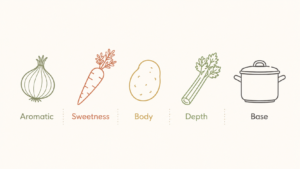
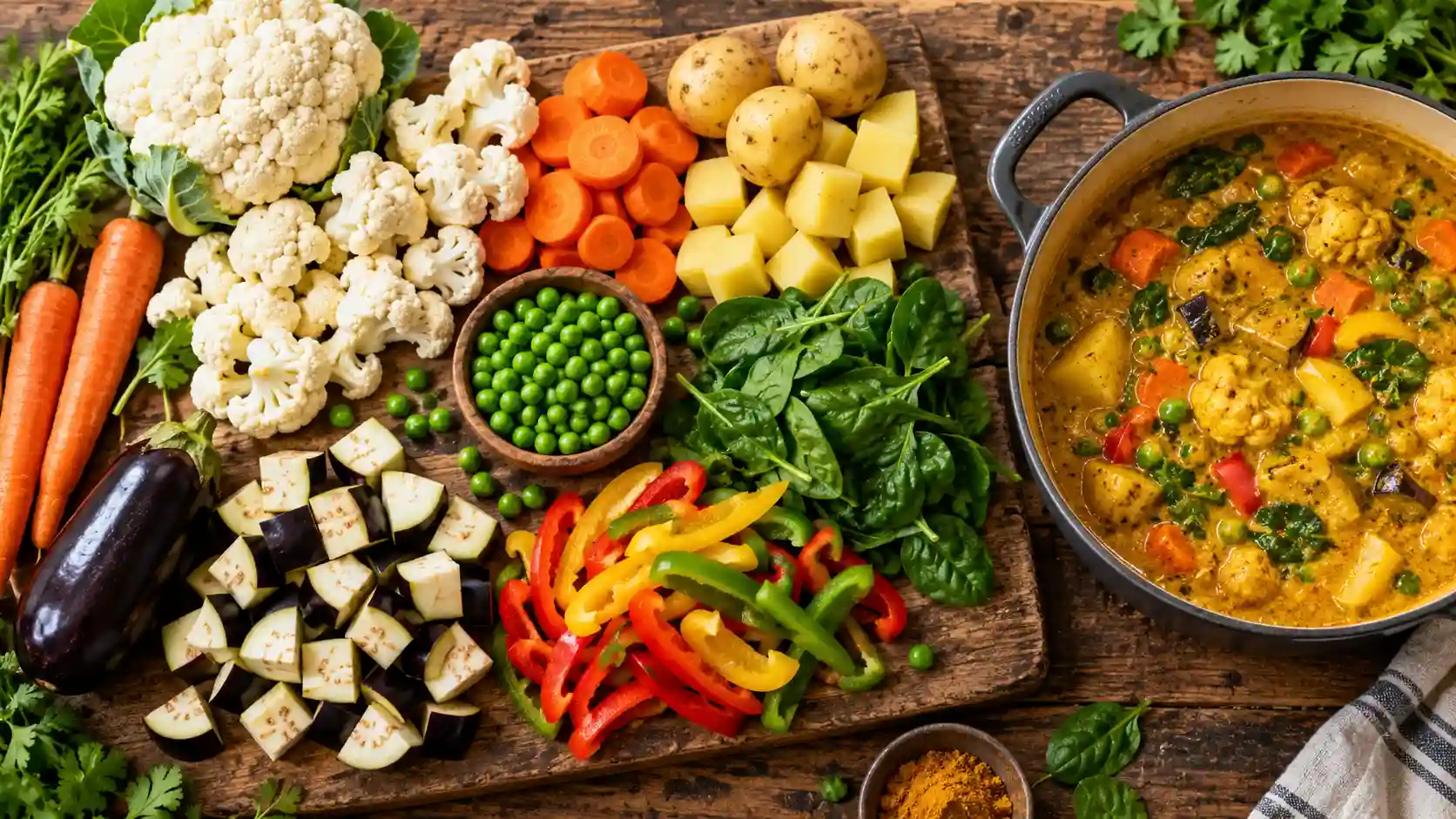
Each ingredient in vegetable soup thermomix contributes to flavor, texture, or thickness. Root vegetables provide body, aromatics build the flavor base, and stock determines overall depth of taste.
- Onion and garlic: form the aromatic base; sautéing them first (rather than adding raw) develops sweetness through caramelization.
- Carrot and potato: add natural sweetness and starch, which thickens the soup as it blends.
- Celery: contributes a mild, savory background note common in classic vegetable soup bases.
- Stock (vegetable or chicken): determines overall seasoning depth; low-sodium stock allows better control of final saltiness.
- Tomato (fresh or tinned): adds acidity and balances the sweetness of root vegetables.
- Leafy greens (spinach, kale): added near the end to preserve color and prevent overcooking.
| Ingredient | Purpose | Possible Substitute | Effect of Substitute |
|---|---|---|---|
| Potato | Thickens soup, adds body | Cauliflower | Lighter texture, lower starch, slightly less thick |
| Carrot | Sweetness, color | Sweet potato | Sweeter, denser final texture |
| Vegetable stock | Base flavor | Water plus bouillon | Similar result, adjust salt to taste |
| Onion | Aromatic base | Leek | Milder, slightly sweeter flavor |
| Celery | Savory depth | Fennel | Adds mild anise note instead of neutral savoriness |
Allergen considerations are minimal for a standard vegetable soup, though bouillon cubes and some stocks contain gluten or celery-derived compounds, so those with allergies should check labels.
Step-by-Step Method
- Chop the aromatics. Add onion, garlic, and celery to the bowl and chop 3–4 seconds/speed 5. This creates a fine, even base for sautéing.
- Sauté the base. Cook 3 minutes/Varoma or 100°C/speed 1 with 1–2 tablespoons of oil. This step matters because sautéing develops sweetness through caramelization rather than leaving the aromatics raw and sharp-tasting.
- Add root vegetables. Add chopped carrot and potato, along with stock and any tinned tomato. Roughly chop first (2 seconds/speed 5) if pieces are large.
- Cook the soup. Cook 20–25 minutes/100°C/reverse, speed 1. Reverse blade mode stirs gently without pulverizing the vegetables during cooking, which prevents premature breakdown of texture.
- Check doneness. Vegetables are ready when a knife inserts into the potato or carrot with no resistance. Undercooked vegetables will blend unevenly and leave a gritty texture.
- Add delicate greens. Stir in spinach or kale during the final 2 minutes so they wilt without losing color or nutrients.
- Blend to desired texture. For a chunky soup, pulse 2–3 times/speed 4. For a smooth soup, blend 1 minute, increasing gradually from speed 5 to speed 8–9. Blending hot liquid gradually prevents pressure buildup and splattering.
- Season and rest. Taste and adjust salt, pepper, or a squeeze of lemon. Letting the soup rest 5 minutes allows flavors to settle before serving.
Common Thermomix Settings Explained
Different Thermomix models use slightly different terminology, but the core functions remain consistent: chopping speeds (3–5) break down raw vegetables, cooking temperatures (90–100°C) simmer the soup without boiling over, and reverse mode stirs without shredding ingredients. Blending speeds (5–9) control the final texture, with higher speeds producing a silkier, more homogenous soup. Understanding these settings helps cooks adjust the method for whichever vegetables or textures they prefer.
Storage and Reheating Guide
Proper cooling and storage preserve both the flavor and food safety of vegetable soup thermomix. Cool the soup to room temperature within about two hours before refrigerating, and divide large batches into smaller containers to speed cooling.
| Storage Method | Recommended Duration | Best Reheating Method |
|---|---|---|
| Refrigerator (airtight container) | 3–4 days | Stovetop, medium heat, stirring occasionally |
| Freezer (airtight container, leave headspace) | Up to 3 months | Thaw overnight in fridge, then reheat gently on stovetop |
| Thermomix reheating | Immediately or after chilling | 5–8 minutes/100°C/speed 1–2 depending on quantity |
Soup that has separated slightly after freezing can usually be re-blended briefly to restore a smooth texture. Signs of spoilage include an off smell, visible mold, or a notably sour taste, and any soup showing these signs should be discarded.
Nutritional and Dietary Notes
A standard serving (roughly 300ml) of vegetable soup thermomix contains approximately 120–160 calories, depending on the vegetables and whether cream or oil is added; these figures are estimates rather than laboratory-tested values, since exact nutrition depends on specific ingredients and quantities used.
- Vegan and vegetarian: naturally suited when made with vegetable stock and no dairy.
- Gluten-free: confirm the stock or bouillon used does not contain gluten-based fillers.
- Dairy-free: the base recipe contains no dairy; avoid adding cream or butter for a fully dairy-free version.
- Low-sodium: use unsalted or low-sodium stock and season individually per bowl instead of during cooking.
- Low-carb: replace potato with additional cauliflower or courgette to reduce overall starch content.
Vegetable Soup Variations and Comparisons
Vegetable soup thermomix can be adapted into several distinct styles depending on the desired texture and richness.
Chunky vs. smooth: A chunky version retains visible vegetable pieces and a heartier bite, achieved through short pulsing. A smooth version, blended longer at higher speed, produces a velvety consistency closer to a purée and is often preferred for creamy vegetarian soups intended as a starter course.
Cream-based vs. broth-based: Adding a splash of cream or a spoonful of blended cashews after cooking creates a richer, creamy vegetarian soup, while a broth-based version stays lighter and lower in calories. Cream-based versions coat the palate more heavily and pair well with crusty bread, while broth-based versions highlight individual vegetable flavors more clearly.
Fresh vs. frozen vegetables: Fresh vegetables generally produce a brighter flavor and firmer texture, while frozen vegetables are convenient and nutritionally comparable, though they release slightly more water during cooking, which can require a longer simmer to concentrate flavor.
Common Mistakes and How to Fix Them
Problem: Soup tastes bland. This typically happens when aromatics were added raw instead of sautéed first, or when stock was under-seasoned. Fix it by sautéing onion and garlic properly before adding liquid, and season gradually throughout cooking rather than only at the end.
Problem: Soup is too thin. This occurs when there isn’t enough starchy vegetable content relative to liquid. Fix it by simmering uncovered slightly longer to reduce liquid, or blending in an extra piece of cooked potato.
Problem: Soup is gritty or unevenly blended. This happens when vegetables aren’t fully cooked before blending, or when blending speed increases too quickly. Fix it by confirming vegetables are fork-tender first, then increasing blend speed gradually rather than jumping straight to the highest setting.
Problem: Greens turn dull or overly soft. This results from adding leafy greens too early in the cooking process. Fix it by stirring them in during only the final 1–2 minutes of cooking.
Beginner Tips and Make-Ahead Planning
New Thermomix users often underestimate how much vegetables reduce in volume once cooked, so it helps to slightly overfill the bowl with raw vegetables rather than underfill it. Mise en place — chopping and measuring all ingredients before starting — makes the process notably smoother, since the cooking and blending steps move quickly once underway.
For make-ahead planning, vegetable soup thermomix can be prepared up to three days in advance and stored in the refrigerator, with flavor often improving slightly after a day as ingredients continue to meld. When testing this method, I found that batches meant for freezing benefit from being slightly under-seasoned before freezing, since flavors intensify during reheating.
Seasonal ingredient availability also affects results: late-summer vegetables like courgette and ripe tomatoes currently offer better natural sweetness than out-of-season alternatives, which can reduce the need for added sugar or extra seasoning.
Internal Linking Opportunities
- How to Make Creamy Vegetarian Soups From Scratch
- A Guide to Thermomix Cooking Settings for Beginners
- Freezing and Reheating Homemade Soups Safely
Conclusion
Vegetable soup thermomix relies on a consistent process: sautéing aromatics, cooking root vegetables in stock, and blending to the desired texture, whether chunky or smooth. Success depends less on a fixed recipe and more on understanding how ingredient ratios, cooking time, and blend speed affect the final result. With proper technique, the Thermomix reliably produces a well-balanced, evenly cooked vegetable soup with minimal cleanup.
Frequently Asked Questions
Can I make vegetable soup thermomix without a recipe card?
Yes, a basic ratio of about 800g mixed vegetables to 700–900ml stock, sautéed and cooked for 20–25 minutes, works reliably without a specific recipe card.
How long does thermomix vegetable soup last in the fridge?
It typically lasts 3–4 days when stored in an airtight container in the refrigerator.
Can I freeze vegetable soup made in a Thermomix?
Yes, it freezes well for up to 3 months in an airtight, freezer-safe container with some headspace left for expansion.
What vegetables work best for thermomix vegetable soup?
Root vegetables like potato, carrot, and onion work best for body and sweetness, while leafy greens should be added near the end of cooking to preserve texture and color.
How do I make the soup creamier without dairy?
Blending in extra cooked potato or a small amount of soaked cashews adds creaminess without dairy, keeping the soup vegan-friendly.
Why did my soup turn out watery?
This usually means there wasn’t enough starchy vegetable content or the soup wasn’t simmered long enough; extending the cooking time or blending in more potato helps thicken it.
Can I make a larger batch than the Thermomix bowl allows?
No, batches are limited by bowl capacity, generally around 2–2.2 litres; larger quantities need to be made in separate batches.