Introduction
Thermomix tomato sauce is a homemade pasta and pizza sauce made by cooking fresh or tinned tomatoes with aromatics directly in a Thermomix, using its built-in chopping, sautéing, and simmering functions to complete the whole process in one bowl. Because the machine controls temperature and blade speed precisely, it produces a smoother, more consistently reduced sauce than most stovetop methods, without the need to stand over a pot stirring.
Quick Summary
A standard Thermomix tomato sauce combines tomatoes, onion, garlic, olive oil, and herbs, chopped for a few seconds and then cooked at a controlled temperature (typically 100°C, reverse blade) for 15–25 minutes until thickened. Fresh tomatoes give a brighter, lighter sauce; tinned tomatoes give a deeper, more concentrated one. The base recipe adapts easily into pizza sauce, pasta sauce, a meatball simmering sauce, or a hidden-vegetable version for children.
What Makes Thermomix Tomato Sauce Different
A stovetop tomato sauce relies on manual stirring to stop it catching on the base of the pan, and on judging heat by eye. A Thermomix removes both variables: the reverse blade function turns gently enough to keep whole or roughly chopped tomato pieces intact while stirring constantly, and the temperature is thermostat-controlled rather than estimated. This is why Thermomix versions tend to reduce more evenly and burn far less often than sauces made in an uncontrolled pot.
The machine can also handle the entire process from raw ingredient to finished sauce — chopping onion and garlic, sautéing them in oil, adding tomatoes, and simmering — without switching appliances or dirtying extra pans.
Core Ingredients and Their Role
- Tomatoes — the base of the sauce. Fresh tomatoes (Roma or vine-ripened work well) give a lighter, slightly sweeter result; tinned whole or crushed tomatoes give more concentrated flavor and a thicker starting consistency, since they’ve already been partially cooked and reduced.
- Onion and garlic — sautéed first to build a savory base. Chopping them in the Thermomix before adding oil ensures an even, fine texture that melts into the sauce rather than staying chunky.
- Olive oil — carries fat-soluble flavor compounds from the aromatics and herbs, and helps the sauce feel rounder rather than sharply acidic.
- Herbs (basil, oregano) — added either at the start for a more infused flavor, or in the last few minutes for a fresher, more pronounced herbal note.
- Salt and a small amount of sugar — sugar isn’t there to make the sauce sweet; it balances the natural acidity of tomatoes, which is especially useful with fresh, underripe, or tinned tomatoes.
- Tomato paste (optional) — deepens color and flavor and helps thicken a sauce made with very juicy fresh tomatoes.
Step-by-Step Method (Fresh Tomatoes)
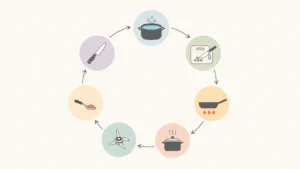
- Score and blanch the tomatoes (optional but recommended). Scoring an X on the base and blanching in boiling water for 30 seconds makes the skins slip off easily, giving a smoother finished sauce without needing to strain out skin later.
- Chop the aromatics. Add onion and garlic to the bowl and chop for 3–5 seconds on a medium speed until finely diced.
- Sauté. Cook the onion and garlic in olive oil for around 3 minutes at a moderate temperature, stirring on a low reverse speed, until softened and translucent rather than browned — browning at this stage can make the sauce taste bitter.
- Add the tomatoes and seasoning. Add the peeled, roughly chopped tomatoes, salt, a pinch of sugar, and herbs.
- Simmer and reduce. Cook at around 100°C on reverse blade speed for 15–25 minutes, leaving the lid slightly vented so steam can escape and the sauce can reduce and thicken rather than staying watery.
- Adjust texture. For a smooth sauce, blend briefly at a higher speed once cooked. For a rustic, chunky sauce, leave it as is or pulse only once or twice.
- Taste and finish. Adjust salt, sugar, and herbs at the end, since flavor concentrates as the sauce reduces and may need less seasoning than expected partway through cooking.
Getting an Easy, Quick Version Right
For a faster sauce, tinned crushed tomatoes cut out the peeling and blanching steps entirely and shorten the simmer to around 10–12 minutes, since they’re already broken down and partially cooked. The trade-off is a slightly less fresh, more concentrated flavor compared with a fresh-tomato version. A quick version still benefits from sautéing the onion and garlic first — skipping this step is the main reason “quick” tomato sauces taste flat, since raw garlic and onion never fully mellow during a short simmer.
Popular Variations
- Pizza sauce — cooked longer and with less liquid than a pasta sauce, so it spreads thickly without soaking into the base; often left uncooked or only briefly simmered, since it will cook further in the oven.
- Italian-style sauce — leans on basil, a touch of dried oregano, and sometimes a splash of red wine, kept simple so the tomato flavor stays dominant.
- Spicy tomato sauce — chili flakes or fresh chili added with the garlic so their heat infuses the oil before the tomatoes go in.
- Cherry tomato sauce — uses whole cherry tomatoes, which are naturally sweeter and need less added sugar; they also break down faster due to their thinner skins and higher surface-area-to-volume ratio.
- Hidden-vegetable sauce — carrot, zucchini, or capsicum blended finely into the base so the sauce carries extra vegetables without changing its texture noticeably, a common approach for feeding children.
- Healthy tomato sauce — reduces added oil and sugar, relying on a longer, low simmer to concentrate natural tomato sweetness instead.
- Meatball and meatloaf sauce — made slightly thinner and simmered longer, since meatballs or meatloaf are usually finished by cooking directly in the sauce, which needs enough liquid to keep them from drying out.
Australian Community Favorites
Within Australian Thermomix cooking communities, tomato sauce recipes are frequently shared and adapted, with common tweaks including reducing added sugar, swapping in home-grown or seasonal tomatoes, and batch-cooking large quantities to freeze in portions. Recipes built around fresh, local tomatoes are especially popular in late summer and autumn when tomatoes are cheapest and most flavorful.
Storage and Reheating
Cooled tomato sauce keeps in an airtight container in the refrigerator for around 4–5 days. For longer storage, it freezes well for up to 3 months — portioning it into single-meal containers or silicone trays before freezing makes it easy to defrost only what’s needed. Reheat gently on the stovetop or in the Thermomix at a low temperature, stirring occasionally; reheating too quickly at high heat can cause the sauce to split or scorch on the base.
Troubleshooting Common Problems
- Sauce is too watery — usually caused by using very juicy fresh tomatoes without a long enough simmer. Extend the cooking time with the lid vented, or stir through a spoonful of tomato paste to thicken.
- Sauce tastes bitter — most often the result of browning the garlic or onion instead of softening it, or of over-reducing the sauce until it catches on the base.
- Sauce is too acidic — a small pinch of sugar balances tomato acidity; using riper tomatoes or a mix of fresh and tinned also helps.
- Sauce is grainy or has tomato skins — occurs when tomatoes weren’t peeled or the sauce wasn’t blended; blanching and peeling first, or blending briefly at the end, resolves this.
- Sauce splits when reheated — caused by reheating too fast at high heat; reheating slowly and stirring keeps the oil and tomato base emulsified.
Nutritional Overview
A basic Thermomix tomato sauce made from tomatoes, onion, garlic, and olive oil is naturally low in saturated fat and free from the preservatives, thickeners, and added sugars often found in store-bought versions. Tomatoes themselves are a source of lycopene, vitamin C, and potassium, and cooking them, as this method does, actually increases the availability of lycopene compared with eating them raw.
Conclusion
Thermomix tomato sauce works because the machine takes over the two hardest parts of sauce-making — even chopping and steady, hands-off heat control — leaving the cook free to adjust flavor rather than manage the pot. Whether made quickly from tinned tomatoes or slowly from fresh, peeled ones, the same core method scales up into pizza sauce, pasta sauce, a meatball simmering sauce, or a milder hidden-vegetable version, making it one of the most flexible bases in Thermomix cooking.
FAQ
Do I need to peel the tomatoes first? Not strictly, but peeling gives a smoother sauce. Blanching tomatoes briefly in boiling water makes the skins slip off easily before chopping.
Can I use tinned tomatoes instead of fresh? Yes. Tinned tomatoes shorten the cooking process and give a more concentrated flavor, while fresh tomatoes produce a lighter, brighter sauce.
Why did my sauce turn out bitter? Bitterness usually comes from browning the onion and garlic instead of gently softening them, or from over-reducing the sauce until it starts to catch.
How long does homemade tomato sauce last? About 4–5 days refrigerated in an airtight container, or up to 3 months frozen in portioned containers.
Can this sauce be used for pizza as well as pasta? Yes — for pizza, reduce the simmering time and liquid slightly so the sauce is thick enough to spread without soaking the base.