Introduction
Fig season in Australia runs short and sweet, typically from late summer into early autumn, which is exactly why so many home cooks turn to fig jam as a way of holding onto that flavour for the rest of the year. This is a traditional, old-fashioned fig jam recipe made without pectin, the way it was done in kitchens before commercial setting agents were common. It draws on the same principles found in CWA-style preserving — patience, ripe fruit, and a reliable ratio of sugar to fruit — and it works equally well with fresh or dried figs depending on what’s available.
Quick Summary
- Best figs: Ripe, slightly soft fresh figs, or dried figs when fresh aren’t in season
- Pectin: Not required — figs set naturally with sugar, time, and acid
- Sugar ratio: Roughly equal parts fruit to sugar by weight
- Cook time: 45–75 minutes, depending on fruit moisture
- Yield: Around 3–4 medium jars from 1kg of fresh figs
- Storage: Up to 12 months unopened, sealed; 3–4 weeks refrigerated once opened
Choosing the Right Figs
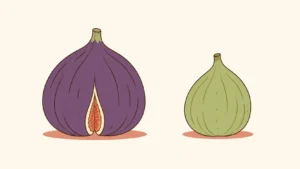
The jam’s texture and sweetness both start with the fruit itself. Fresh figs that are fully ripe — soft to the touch, with skin that’s just beginning to split — carry the most natural sugar and break down more easily during cooking, which shortens cooking time and helps the jam set without added pectin. Underripe figs, by contrast, contain more pectin naturally but less sweetness and can leave the jam tasting flat unless the sugar is adjusted upward.
Common fig varieties used in Australian preserving include Brown Turkey and Black Genoa, both of which hold their shape reasonably well during cooking while still softening into a spreadable jam. If fresh figs aren’t available, dried figs are a practical substitute — they need to be rehydrated in water or juice before cooking, which restores much of their original texture and allows the same basic method to apply.
The Old-Fashioned Method: No Pectin Required
Commercial pectin became common in jam-making largely as a shortcut, but figs don’t strictly need it. Their skins and seeds contain enough natural pectin to help the jam thicken, provided the mixture is cooked long enough for excess water to evaporate and the sugar-to-fruit ratio is close to even. This is why older, handwritten family recipes — the kind passed down as “grandma’s” fig jam — rarely list pectin as an ingredient at all.
The trade-off is time. Without added pectin, the jam needs a longer, slower simmer to reach setting point, and it benefits from a splash of lemon juice, which supplies acid that helps the natural pectin activate. This is the same principle behind most old-fashioned preserving methods: reduce, don’t rush.
Step-by-Step: Making Fig Jam From Fresh Figs
Ingredients
- 1kg fresh figs, stems removed, roughly chopped
- 800g–1kg white sugar (adjust to fruit sweetness)
- Juice of 1–2 lemons
- Optional: 1 cinnamon stick or a few strips of lemon zest
Method
- Macerate the figs. Combine chopped figs with sugar and lemon juice in a large bowl, then let the mixture sit for a few hours or overnight. This draws liquid out of the fruit gradually, so the sugar dissolves evenly instead of catching on the base of the pot once it hits the heat.
- Bring to a simmer. Transfer everything to a wide, heavy-based pot. A wide pot matters here more than it seems — it increases the surface area, which speeds up evaporation and helps the jam thicken without needing to cook for hours.
- Cook low and slow. Simmer gently, stirring occasionally, for 45–75 minutes. Skip stirring too early or too often and the jam can catch on the bottom; skip it too long and the sugars near the base can scorch, so a steady occasional stir is the balance to aim for.
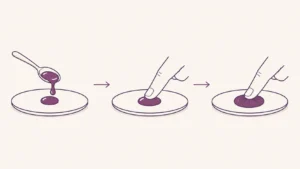
- Test for setting point. Chill a small plate in the freezer beforehand. Drop a small spoonful of jam onto the cold plate, wait 30 seconds, then push it with your finger — if it wrinkles and holds its shape rather than running back together, it’s ready.
- Jar while hot. Pour into sterilised jars immediately, seal, and turn upside down briefly to help create a vacuum seal, then leave to cool fully before storing.
Working With Dried Figs
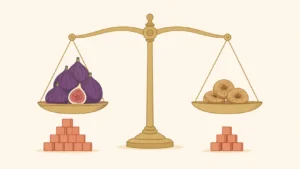
Dried fig jam follows the same general method but starts differently. Because dried figs have lost most of their moisture, they need to be soaked in warm water, orange juice, or even a light spiced syrup for a few hours before cooking, which softens them enough to break down properly. Dried figs also tend to be sweeter per gram than fresh ones, so the sugar quantity is usually reduced by around 20–30% to avoid an overly sweet result. This version is particularly useful outside of fig season, since dried figs are available year-round and produce a deeper, slightly more concentrated flavour than the fresh-fruit version.
The CWA-Style Approach
Country Women’s Association recipes are known for reliability over flourish, and fig jam is no exception. The CWA approach typically favours simple, unfussy ingredient lists — figs, sugar, lemon — over spices or additions, with an emphasis on getting the technique right rather than adding flavour complexity. Precision in this style usually comes down to two things: weighing fruit and sugar accurately, and trusting the wrinkle test over guesswork or a thermometer alone. This no-frills approach is part of why CWA-style jam recipes remain a reference point for home preservers across Australia.
Fig and Ginger Jam Variation
Adding ginger to fig jam introduces a warm, slightly spicy contrast to the fruit’s natural sweetness, and it’s one of the most common variations found in both home and restaurant-style preserving. Fresh grated ginger (around 2–3 tablespoons per kilogram of figs) can be added at the start of cooking so its flavour infuses throughout, while a smaller amount of crystallised ginger stirred in near the end adds texture as well as flavour. This variation pairs particularly well with cheese boards, where the spice cuts through richer, creamier cheeses.
Storage, Setting Point, and Common Fixes
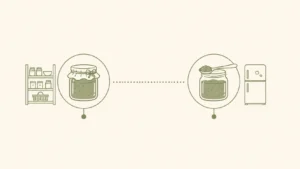
A properly sealed jar of fig jam, processed while hot and stored in a cool, dark place, will typically keep for up to 12 months. Once opened, it should be refrigerated and used within three to four weeks.
If the jam turns out too runny, it usually means it was removed from the heat before reaching full setting point — simmering it for another 10–15 minutes and retesting on a cold plate generally resolves this. If it turns out too thick or slightly caramelised, this is often a sign it was cooked a little past setting point or over heat that was too high; stirring through a small amount of warm water while reheating can loosen the texture, though the flavour will already lean slightly toward caramel.
Conclusion
Fig jam doesn’t need pectin, complicated equipment, or exact temperatures to turn out well — what it needs is ripe fruit, a fair amount of patience, and attention to that final wrinkle test. Whether made the old-fashioned way with fresh figs, adapted for dried fruit outside of fig season, or given a lift with ginger, the method stays essentially the same: macerate, simmer slowly, test, and jar while hot. Once the basic technique is familiar, it’s easy to adjust the recipe to whatever figs are on hand.
FAQ
Do I need pectin to make fig jam? No. Figs contain enough natural pectin in their skins and seeds to set properly, provided the jam is simmered long enough and includes a source of acid like lemon juice.
Can I make fig jam with dried figs instead of fresh? Yes. Soak dried figs in water or juice for a few hours to rehydrate them first, and reduce the sugar slightly, since dried figs are more concentrated in sweetness than fresh ones.
How do I know when fig jam has reached setting point? Use the cold plate test: drop a small spoonful onto a chilled plate, wait 30 seconds, then push it with a finger. If it wrinkles and holds its shape, it’s set.
Why is my fig jam too runny? It likely hasn’t reached full setting point yet. Return it to a simmer for another 10–15 minutes and retest before jarring.
How long does homemade fig jam last? Sealed and stored in a cool, dark place, it keeps for up to 12 months. Once opened, refrigerate and use within three to four weeks.