Introduction
Gin pasta is a modern twist on the classic vodka pasta, swapping vodka for gin to add a botanical, herbaceous layer to a creamy tomato sauce. The dish keeps the same silky texture and balanced acidity that made vodka pasta a household favorite, while gin’s juniper, citrus, and floral notes introduce a more complex aromatic profile. It has become especially popular online after recipe developers like Molly Baz began experimenting with gin in place of vodka, sparking a wave of home cooks testing the substitution for themselves.
Quick Summary
Gin pasta is a creamy tomato-based pasta sauce made by deglazing sautéed aromatics with gin instead of vodka, then simmering with crushed tomatoes and finishing with heavy cream and Parmesan. The alcohol cooks off during simmering, leaving behind gin’s signature botanicals — juniper, coriander, citrus peel — which pair naturally with tomato’s acidity and cream’s richness. It works with any short pasta shape, most commonly penne or rigatoni.
What Is Gin Pasta?
Gin pasta refers to a pink or red pasta sauce built on the same foundation as traditional vodka pasta: sautéed garlic and shallot, tomato paste or crushed tomatoes, cream, and Parmesan. The defining change is the deglazing liquid. Instead of vodka, the recipe uses gin, which contributes flavor compounds beyond simple alcohol — primarily juniper berries, along with citrus, coriander, and sometimes floral botanicals depending on the gin style.
Because alcohol acts as a flavor solvent, it pulls out fat-soluble and water-soluble flavor compounds from the tomatoes and aromatics that water alone can’t fully release. Gin’s botanical additives ride along with that process, meaning the finished sauce carries a subtle background of juniper and citrus rather than a neutral “boozy” taste.
Gin Pasta vs. Vodka Pasta: What’s the Difference?
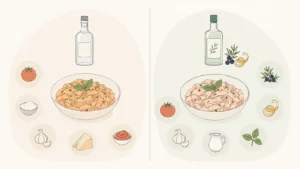
The technique for vodka pasta and gin pasta is nearly identical — both rely on alcohol to loosen fond from the pan and deepen the tomato flavor before it cooks off during simmering. The distinction comes down to flavor complexity:
- Vodka is neutral-tasting, so its main contribution is textural: it helps emulsify fat and water in the sauce, producing a smoother, glossier finish.
- Gin brings the same emulsifying benefit but adds aromatic depth — juniper, citrus zest, and herbal notes that a neutral spirit cannot provide.
This means gin pasta tends to taste slightly more complex and less one-dimensional than a standard vodka pasta, especially when paired with brighter, more acidic tomatoes like Sungold or cherry tomatoes.
Core Ingredients for Gin Pasta Sauce
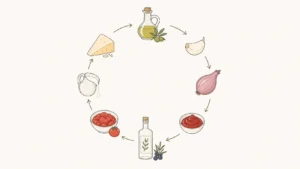
A standard gin pasta sauce uses a short list of ingredients, each serving a specific structural role:
- Olive oil or butter — builds the fat base that later carries flavor and helps emulsify the cream.
- Garlic and shallot (or onion) — provide the aromatic backbone; shallot offers a milder, sweeter edge than onion.
- Tomato paste — concentrated tomato solids that caramelize slightly when cooked, deepening umami before liquid is added.
- Gin — deglazes the pan and extracts fond, while contributing juniper and citrus notes.
- Crushed tomatoes or Sungold tomatoes — the acidic, watery base of the sauce.
- Heavy cream — tempers acidity and creates the sauce’s signature pink color and silky mouthfeel.
- Parmesan cheese — adds salt, umami, and thickens the sauce as it melts.
- Red pepper flakes (optional) — for a spicy gin pasta variation.
- Pasta water (starchy) — helps the sauce cling to noodles and adjusts consistency without diluting flavor.
Ingredient substitutions change the final dish measurably. Swapping heavy cream for half-and-half produces a thinner, less rich sauce. Using canned crushed tomatoes instead of fresh Sungolds results in a deeper, less bright acidity. Omitting Parmesan removes both salt balance and the thickening effect it provides through its proteins.
How to Make Gin Pasta (Step-by-Step)
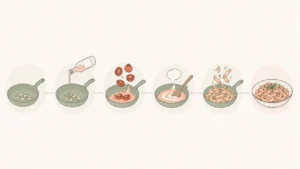
- Sauté aromatics. Cook garlic and shallot in olive oil over medium heat until fragrant but not browned — browning at this stage introduces bitterness that carries through the whole sauce.
- Cook the tomato paste. Add tomato paste and cook for 1–2 minutes until it darkens slightly. This caramelization step builds umami depth that raw tomato paste lacks.
- Deglaze with gin. Pour in gin and let it simmer for 1–2 minutes, scraping up any browned bits. This step is essential: it dissolves the flavorful fond stuck to the pan and allows the alcohol to cook off, leaving behind concentrated aromatics.
- Add tomatoes and simmer. Stir in crushed or chopped Sungold tomatoes and simmer for 8–10 minutes to reduce and concentrate the sauce.
- Finish with cream. Lower the heat and stir in heavy cream. Adding cream off high heat prevents it from splitting or curdling.
- Toss with pasta and starchy water. Combine the sauce with just-cooked pasta and a splash of starchy pasta water, which helps the sauce emulsify and coat each piece evenly.
- Add Parmesan last. Stir in grated Parmesan off heat to avoid graininess, which happens when cheese proteins seize up from excessive direct heat.
Popular Gin Pasta Variations
- Pistachio gin pasta — crushed pistachios are stirred in or sprinkled on top for crunch and a nutty contrast to the creamy sauce.
- Spicy gin pasta — extra red pepper flakes or a chili-infused oil added during the aromatics stage for heat that balances the cream.
- Sungold gin pasta — uses halved Sungold cherry tomatoes instead of canned tomatoes for a brighter, sweeter acidity.
- Pink gin pasta — a lighter-color version made with less tomato paste and a higher cream ratio, emphasizing the pale pink hue.
- Tomato and gin pasta sauce — a simpler, cream-light version that leans more on tomato acidity than richness, closer to a marinara with a gin backbone.
Common Mistakes and How to Avoid Them
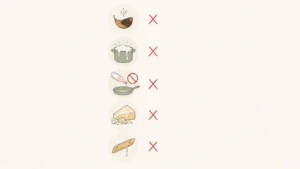
- Burning the garlic — leads to bitterness that no amount of cream can mask; keep heat moderate.
- Adding cream over high heat — causes the dairy proteins to separate, giving the sauce a curdled, grainy texture instead of smooth.
- Skipping the deglaze step — without letting the gin simmer down, the sauce can taste sharply alcoholic instead of subtly aromatic.
- Using pre-grated Parmesan — often coated with anti-caking agents that prevent smooth melting, resulting in a clumpy sauce.
- Overcooking the pasta before combining — pasta continues cooking slightly once tossed in hot sauce, so pulling it a minute early keeps the final texture al dente.
Storage and Reheating Tips
Gin pasta sauce keeps in an airtight container in the refrigerator for up to 4 days. Because cream-based sauces are prone to separating when reheated too quickly, warming the sauce slowly over low heat — with a splash of milk or pasta water to loosen it — helps restore its original consistency. Freezing is possible for the sauce alone (without pasta) for up to 2 months, though texture may be slightly less smooth after thawing due to the cream’s fat structure being disrupted by ice crystals.
Conclusion
Gin pasta takes the familiar creamy, tomato-forward structure of vodka pasta and layers in the botanical complexity of gin — juniper, citrus, and herbal notes that a neutral spirit simply can’t offer. The technique stays largely the same as classic vodka pasta, making it an easy substitution for anyone who already has gin on hand or wants a more aromatic variation on a familiar comfort food. Whether made spicy, pistachio-topped, or with bright Sungold tomatoes, gin pasta offers a flexible base for experimentation while remaining rooted in the same reliable method.
FAQ
Can I use gin instead of vodka in any pasta recipe?
Yes. Gin can generally replace vodka in a 1:1 ratio in most recipes, since both serve the same deglazing and emulsifying function. The main difference will be gin’s added botanical flavor.
Does the alcohol fully cook off in gin pasta?
Most of the alcohol evaporates during the simmering step after deglazing, though a small trace amount may remain, similar to other alcohol-based pan sauces.
What type of gin works best for gin pasta?
A classic London Dry gin with strong juniper notes is the most common choice, as its botanical profile complements tomato and cream well without overwhelming the dish.
Can I make gin pasta without cream?
Yes. Omitting cream produces a lighter, more tomato-forward sauce closer to a spiked marinara, though it will lack the traditional pink color and rich mouthfeel.
What pasta shape works best for gin pasta?
Short shapes with ridges or tubes, such as penne or rigatoni, are preferred because they hold onto the creamy sauce better than long, smooth noodles.