Introduction
Vodka pasta is a creamy tomato-based dish built on a simple idea: a splash of vodka can pull flavors out of tomatoes and cream that butter or oil alone can’t reach. Originating as an Italian-American restaurant staple, it has become one of the most searched pasta recipes in the world, driven partly by home cooks and partly by a viral moment when the dish gained the nickname “Gigi Hadid pasta” after a version she shared went viral online. This article breaks down what the dish actually is, how the sauce works at a chemical level, how to make it from scratch, and how to adapt it for different diets, spice levels, and protein additions.
Quick Summary
Vodka pasta is penne, rigatoni, or a similar short pasta shape tossed in a sauce made from tomatoes, cream, butter, aromatics, and a small amount of vodka, which is simmered off to intensify flavor rather than to add alcohol content. The dish can be made spicy with red pepper flakes, bulked up with chicken or sausage, or made without vodka using an acid-based substitute. It typically takes 30–40 minutes from start to finish and serves 4.
What Is Vodka Pasta?
Vodka pasta, sometimes called penne alla vodka or vodka sauce pasta, is a pasta dish tossed in a pink, creamy tomato sauce. The color comes from combining red tomato sauce with white cream, and the depth of flavor comes from vodka, garlic, shallots or onion, and often a hint of chili flakes. Unlike a straightforward marinara or alfredo, vodka pasta sits in a distinct middle category: tomato-forward but rounded out by dairy, with a background warmth from the alcohol reduction. It’s commonly served with penne, though rigatoni and other short, ridged shapes are equally traditional.
Why Vodka? The Science Behind the Sauce
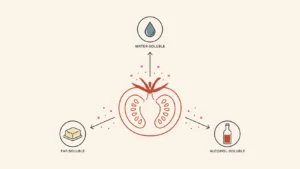
The role of vodka in this sauce is functional, not just flavorful. Tomatoes contain flavor compounds that are fat-soluble, water-soluble, and alcohol-soluble. Water and fat alone can only unlock some of those compounds; alcohol acts as a solvent that releases additional aromatic and flavor molecules that would otherwise stay locked inside the tomato’s cell structure. When vodka is added to the pan and simmered, it extracts these compounds and then evaporates, leaving behind concentrated flavor rather than a boozy taste. Because vodka is largely neutral in flavor compared to wine or other spirits, it performs this extraction without introducing competing notes, which is why vodka became the spirit of choice for this style of sauce rather than something like white wine.
Most of the alcohol cooks off during the simmer, though a small trace amount can remain depending on cooking time and heat, which is why the “without vodka” version below exists for anyone who wants to avoid alcohol entirely.
Core Ingredients and What Each One Does
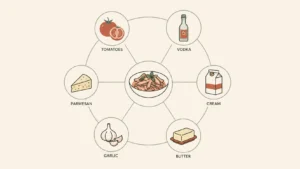
A classic vodka pasta sauce relies on a short list of ingredients, each serving a specific purpose:
- Tomatoes (crushed, passata, or tomato paste): provide the acidic, savory base
- Vodka: extracts flavor compounds from the tomatoes and adds subtle depth
- Heavy cream: mellows the acidity and creates the signature pink color and silky texture
- Butter and olive oil: build a rounded, glossy mouthfeel and help sauté aromatics
- Garlic and shallot or onion: form the aromatic backbone
- Parmesan cheese: adds salt, umami, and helps thicken the sauce as it melts
- Red pepper flakes: optional, used for a spicy vodka pasta variation
- Pasta water: the starchy water reserved from boiling pasta, used to loosen and bind the sauce to the noodles
Understanding what each ingredient contributes makes substitutions easier, since swapping any one of them changes texture, acidity, or richness in a predictable way.
How to Make Vodka Pasta (Step-by-Step Method)
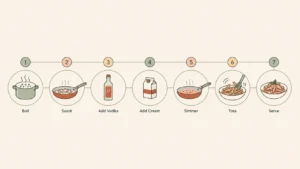
- Cook the pasta in well-salted boiling water until just shy of al dente, since it will finish cooking in the sauce. Reserve at least a cup of pasta water before draining.
- Sauté aromatics: melt butter with olive oil, then cook shallot or onion until soft, followed by garlic and chili flakes if using.
- Add tomato paste or crushed tomatoes and cook briefly to deepen the color and reduce raw acidity.
- Deglaze with vodka, scraping the pan, and simmer for several minutes until the alcohol smell fades and the liquid reduces slightly. This step is what allows the flavor extraction described earlier to happen.
- Stir in heavy cream and simmer gently until the sauce thickens enough to coat a spoon.
- Add the pasta directly into the sauce along with a splash of reserved pasta water, tossing until the noodles are fully coated and the sauce clings rather than pools.
- Finish with Parmesan, and more pasta water if needed, then adjust salt and pepper to taste.
Skipping the pasta-water step is one of the most common reasons homemade vodka pasta turns out looser or greasier than a restaurant version, since the starch in that water is what emulsifies the fat and sauce together.
Vodka Pasta Without Vodka
For anyone avoiding alcohol, a vodka-free version can replicate much of the flavor profile by using a small amount of an acidic liquid, such as a splash of white grape juice with a few drops of white vinegar, or simply extra tomato paste cooked longer to build depth. The vodka’s primary contributions are flavor extraction and a subtle sharpness, so leaning on longer cooking time for the tomato base and a touch more acidity can approximate the effect without needing a substitute spirit. The dish is still called “vodka pasta” in this context because it refers to the style of sauce rather than a literal ingredient requirement.
Popular Variations: Chicken, Spicy, and Meat-Based Versions
Vodka pasta is highly adaptable:
- Chicken vodka pasta: seared or grilled chicken breast is sliced and folded into the finished sauce, adding protein without diluting the sauce’s texture.
- Spicy vodka pasta: increased red pepper flakes, or a small amount of Calabrian chili paste, push the dish toward a bolder, heat-forward profile.
- Vodka pasta with meat: Italian sausage, pancetta, or ground beef can be browned before the aromatics are added, layering in savory depth.
- Authentic vodka pasta: the closest version to the dish’s Italian-American restaurant origins keeps the ingredient list minimal — tomatoes, cream, vodka, Parmesan, and butter — without additional proteins or heavy seasoning blends.
The Viral Gigi Hadid Vodka Pasta
The “Gigi Hadid vodka pasta” refers to a spicy vodka pasta recipe that gained widespread attention online after being associated with the model. Its defining characteristics are a noticeably spicier chili kick compared to a traditional version and a generous, rich cream-to-tomato ratio. The core method is the same as classic vodka pasta, with the main differences being a higher proportion of red pepper flakes or chili paste and, in many versions, a slightly higher cream content for extra richness.
Choosing the Right Pasta Shape
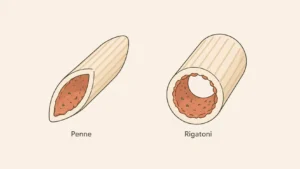
Penne is the traditional choice because its ridges and hollow center trap sauce effectively, but rigatoni is equally common and holds even more sauce due to its wider shape. Both are considered authentic. Smoother pasta shapes are generally avoided because the sauce, which is thick and clingy rather than thin, needs texture or a hollow center to adhere properly.
Storage, Reheating, and Make-Ahead Tips
Vodka pasta sauce can be made ahead and stored separately from cooked pasta for up to four days in the refrigerator, since cream-based sauces tend to separate slightly if stored already mixed with noodles that continue absorbing liquid. To reheat, warm gently over low heat with a splash of water or milk to loosen the sauce, since high heat can cause the cream to break. Freezing is possible for the sauce alone, though texture is best when it’s made fresh or refrigerated rather than frozen.
Conclusion
Vodka pasta earns its popularity through a genuinely useful piece of food science: alcohol pulls extra flavor out of tomatoes that fat and water can’t reach on their own, resulting in a sauce that tastes deeper than its short ingredient list would suggest. Whether made in its classic form, spiced up in the viral Gigi Hadid style, bulked up with chicken or sausage, or adapted to skip the alcohol entirely, the technique behind the dish stays consistent: build an aromatic base, extract flavor through the vodka reduction, and bind everything together with cream, Parmesan, and starchy pasta water.
FAQ
Does vodka pasta taste like alcohol? No. Most of the alcohol evaporates during simmering, leaving behind extracted flavor rather than a boozy taste.
Can I make vodka pasta without vodka? Yes. A touch of white vinegar or grape juice plus extra cooking time on the tomato base can approximate the flavor without alcohol.
What pasta shape is best for vodka sauce? Penne and rigatoni are the most traditional choices because their shape holds the thick, creamy sauce well.
Is vodka pasta spicy? The classic version has a mild warmth from red pepper flakes, but variations like the spicy or Gigi Hadid-style versions increase the chili significantly.
Can I add chicken or sausage to vodka pasta? Yes, both are common additions. Chicken is typically seared separately and folded in, while sausage or ground meat is browned before the aromatics are added.