Introduction
Vodka pasta is a creamy tomato-based pasta dish built on a sauce that blends tomatoes, cream, aromatics, and a small amount of vodka, finished with pasta and often parmesan. It has become one of the most searched pasta recipes worldwide, driven by home-cook adaptations, restaurant menus, and viral social media versions. This guide explains what vodka pasta is, how it’s made, why vodka is included, and how to adjust the recipe for different diets and preferences.
Quick Summary
Vodka pasta is made by simmering tomato paste or crushed tomatoes with garlic, shallots or onion, red pepper flakes, and vodka, then finishing the sauce with heavy cream and tossing it with al dente pasta — typically penne or rigatoni. The vodka is not there to add alcohol flavor; it helps dissolve compounds in the tomatoes that water and fat alone can’t access, which deepens the sauce’s flavor and helps it emulsify into a silkier texture. The alcohol cooks off during simmering, leaving behind a rounder, more complex tomato-cream sauce.
Key Ingredients in Vodka Pasta
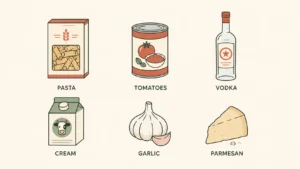
A standard vodka pasta recipe relies on a short list of core ingredients, each playing a specific role:
- Pasta: Penne and rigatoni are the most common choices because their ridges and hollow shapes hold the sauce well.
- Tomatoes: Tomato paste, crushed tomatoes, or a combination gives the sauce its base and concentrated flavor.
- Vodka: A neutral spirit added early in cooking to help release flavor compounds from the tomatoes.
- Cream: Heavy cream is added after the tomato and vodka mixture reduces, creating the dish’s signature pink-orange color and silky texture.
- Aromatics: Garlic and shallot or onion form the flavor foundation, usually sautéed in butter or olive oil before the tomatoes are added.
- Red pepper flakes: Provide a mild background heat that balances the richness of the cream.
- Parmesan cheese: Stirred in at the end to thicken the sauce slightly and add salty depth.
- Fresh basil: Often used as a garnish for brightness and aroma.
How to Make Vodka Pasta (Step-by-Step)
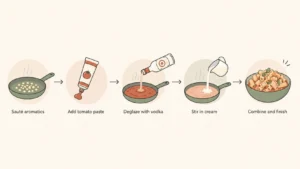
- Sauté the aromatics. Cook minced garlic and diced shallot or onion in butter and olive oil over medium heat until softened but not browned. Browning introduces bitterness that the sauce doesn’t need.
- Add tomato paste and red pepper flakes. Cook the paste for a few minutes to caramelize its sugars slightly, deepening the flavor before liquid is added.
- Deglaze with vodka. Pour in the vodka and let it simmer for several minutes. This step is essential — simmering allows the alcohol to cook off while its solvent effect works on the tomato compounds.
- Simmer the tomato base. Add crushed tomatoes and let the sauce reduce, concentrating the flavor.
- Stir in the cream. Lower the heat and add heavy cream gradually, stirring so it incorporates smoothly rather than curdling.
- Cook the pasta separately. Boil pasta until just shy of al dente, reserving a cup of starchy pasta water before draining.
- Combine and finish. Toss the pasta directly into the sauce, adding reserved pasta water as needed to loosen the consistency. Stir in parmesan until melted and glossy.
- Garnish and serve. Top with fresh basil, extra parmesan, and black pepper.
Why Vodka Is Used — and What Happens Without It
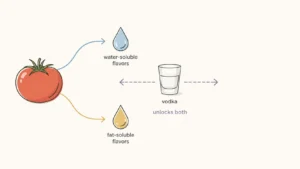
Vodka contains ethanol, which can dissolve certain flavor compounds in tomatoes that are neither fully water-soluble nor fully fat-soluble. By simmering vodka with the tomato paste, more of those compounds move into the sauce, producing a rounder, more integrated flavor than a tomato-cream sauce made without it. The alcohol itself evaporates during cooking, so the finished dish does not taste of vodka and contains only trace amounts, if any, of residual alcohol after a proper simmer.
For those who want vodka pasta without vodka, the dish can still be made successfully. Common substitutes include a splash of white wine (which offers some of the same acid and aromatic lift, though a different flavor profile) or a small amount of white wine vinegar or lemon juice diluted with water or stock to introduce acidity without alcohol. The sauce will taste slightly different — less complex — but will still be creamy, tangy, and satisfying.
Popular Variations
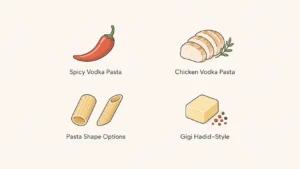
Vodka pasta is highly adaptable, which explains the many variations home cooks and restaurants search for and create:
- Spicy vodka pasta: Increases red pepper flakes or adds calabrian chili paste for a sharper heat that cuts through the cream.
- Vodka pasta with chicken: Seared, sliced chicken breast or thigh is added to the finished sauce for a heartier, protein-rich meal.
- Vodka pasta with meat: Ground beef, Italian sausage, or pancetta can be browned before the aromatics are added, building a meatier, more savory base.
- Penne vodka vs. rigatoni vodka: Both shapes work well; rigatoni’s larger ridges hold slightly more sauce per bite, while penne offers a more classic, lighter presentation.
- Vodka alla pasta (penne alla vodka): This is simply the traditional Italian-American name for the same dish — “alla vodka” translates to “in the vodka style.”
The Viral Gigi Hadid Vodka Pasta
One of the most searched versions of this dish is associated with model Gigi Hadid, whose home recipe went viral on social media for its distinct approach: a heavier use of tomato paste, a generous amount of red pepper flakes for noticeable heat, and butter stirred in at the end for extra richness. The recipe follows the same core method as classic vodka pasta — sautéed aromatics, tomato paste, vodka, cream — but leans into bolder spice and a thicker, more concentrated sauce, which is part of why it resonated widely online.
Tips for the Best Texture and Flavor
- Add cream gradually over low heat to prevent it from splitting.
- Reserve pasta water before draining; its starch helps bind the sauce to the noodles.
- Simmer the vodka long enough for the alcohol smell to fade, ensuring flavor extraction without a harsh alcohol taste.
- Finish with cheese off direct heat to avoid a grainy texture.
- Undercook the pasta slightly before combining, since it continues cooking in the hot sauce.
Storage and Reheating
Vodka pasta can be stored in an airtight container in the refrigerator for up to 3–4 days. Because the sauce contains dairy, reheat it gently over low heat on the stovetop, adding a splash of milk or reserved pasta water to restore its creamy consistency. Microwaving works but should be done in short intervals with stirring to prevent the cream sauce from separating. Vodka pasta is not ideal for freezing, as cream-based sauces tend to separate and become grainy once thawed.
Conclusion
Vodka pasta earns its popularity through a simple but effective combination: a tomato-cream sauce enhanced by vodka’s ability to unlock deeper flavor from the tomatoes. Whether made classically, spiced up, loaded with chicken or meat, or adapted into an alcohol-free version, the dish’s core technique remains the same. Understanding why each ingredient and step matters makes it easy to customize the recipe while still achieving that signature silky, well-balanced sauce.
FAQ
Does vodka pasta taste like alcohol?
No. The vodka is simmered long enough for the alcohol to cook off, leaving only its effect on flavor extraction rather than an alcoholic taste.
Can I make vodka pasta without vodka?
Yes. White wine, or diluted lemon juice or vinegar, can replace vodka to add acidity, though the flavor will be slightly less complex.
What pasta shape is best for vodka sauce?
Penne and rigatoni are most common because their shapes hold the thick, creamy sauce well.
Is vodka pasta safe for kids or non-drinkers?
Since the alcohol largely cooks off during simmering, it’s generally considered suitable, though those avoiding all alcohol may prefer a vodka-free version.
Can I make vodka pasta vegetarian?
Yes — the base recipe is naturally vegetarian as long as no meat is added; simply omit chicken, sausage, or other proteins.