Introduction
Vietnamese dipping sauce is the small bowl that makes an entire meal work. A plate of fresh spring rolls, grilled pork, or rice noodles can taste flat without it, and just a spoonful can turn simple ingredients into something balanced and craveable. This guide explains what Vietnamese dipping sauce actually is, breaks down the two main styles used across Vietnamese cooking, and shows exactly how to make each one at home with ingredients most people already have or can find at a regular grocery store.
Quick Summary
Vietnamese dipping sauce generally falls into two categories: nuoc cham, a thin, tangy fish-sauce-based dip built on fish sauce, lime, sugar, garlic, and chili, and peanut dipping sauce, a thicker, nuttier blend of hoisin, peanut butter, and garlic. Nuoc cham is the standard partner for fresh spring rolls, rice paper rolls, grilled meats, and vermicelli noodle bowls, while peanut sauce is most common with fried spring rolls or as a richer alternative. Both come together in under 10 minutes with no cooking required.
What Is Vietnamese Dipping Sauce?
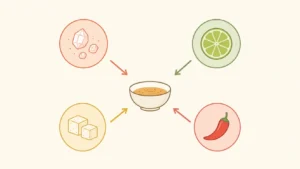
Vietnamese dipping sauce, most often called nuoc cham (pronounced roughly “nurk chum”), is a savory-sweet-sour-spicy condiment central to Vietnamese cuisine. It is not a single fixed recipe but a balance of five tastes: salty, sour, sweet, spicy, and savory (umami). Cooks adjust the ratio of fish sauce, lime juice, and sugar depending on the dish, the region, and personal preference, which is why two nuoc cham recipes can taste noticeably different while both being correct.
The sauce serves two main purposes in a meal. It seasons otherwise plain ingredients like rice noodles or lettuce, and it adds moisture and acidity that cuts through richer or fried foods. This is why it appears across so many dishes: fresh rolls, fried spring rolls, grilled meats, and noodle salads all rely on it to tie the components together.
Core Ingredients and What Each One Does
Understanding the role of each ingredient makes it easier to adjust the sauce to taste rather than following a recipe rigidly.
- Fish sauce provides the salty, savory backbone. It is the ingredient that most defines the sauce as Vietnamese, and lower-quality fish sauce will make the whole sauce taste flat, so a mid-range bottle is worth the small extra cost.
- Lime juice supplies acidity and brightness. Freshly squeezed lime is preferred over bottled juice because it has a cleaner, more fragrant sourness that balances the fish sauce.
- Sugar rounds out the sharp and salty elements. Vietnamese cooking typically uses white sugar dissolved directly into the liquid rather than a syrup.
- Garlic and chili, usually minced fresh, add aromatic heat. Traditionally these are left to float in the sauce rather than strained out, which adds visual appeal and lets diners scoop them up with each bite.
- Water dilutes the concentrated flavors into a pourable, balanced sauce. Skipping this step is the most common reason homemade nuoc cham tastes too sharp or salty.
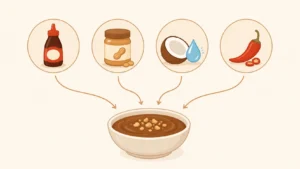
For the peanut-based version, the base swaps fish sauce and lime for hoisin sauce and peanut butter, with garlic, chili, and a splash of water used to thin it to a dippable consistency.
Classic Nuoc Cham (Vietnamese Dipping Sauce Recipe)
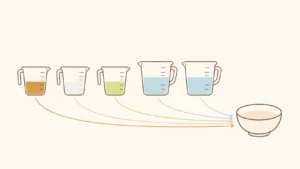
This is the everyday, all-purpose version suited to spring rolls, rice paper rolls, and noodle bowls.
Ingredients:
- 3 tablespoons fish sauce
- 3 tablespoons lime juice (about 1–2 limes)
- 2–3 tablespoons sugar
- 1/3 cup warm water
- 1–2 cloves garlic, finely minced
- 1 small red chili, finely minced (adjust to taste)
Method:
- Dissolve the sugar in warm water first; this prevents grainy sugar from settling at the bottom.
- Stir in the fish sauce and lime juice.
- Add the minced garlic and chili last, so they float rather than sink.
- Taste and adjust: more lime for sharper acidity, more sugar to soften it, more fish sauce for extra savoriness.
The sauce keeps its balance best when tasted immediately after mixing, since garlic and chili continue to intensify the longer the sauce sits.
Vietnamese Peanut Dipping Sauce
Peanut dipping sauce is thicker, sweeter, and less acidic than nuoc cham, making it a good match for fried foods where a lighter sauce would be overwhelmed.
Ingredients:
- 3 tablespoons hoisin sauce
- 2 tablespoons smooth peanut butter
- 1 clove garlic, minced
- 2–3 tablespoons warm water (to thin)
- Optional: chili garlic sauce or crushed peanuts on top
Method:
- Whisk the hoisin sauce and peanut butter together until smooth.
- Add water gradually until the sauce reaches a pourable, dip-friendly consistency.
- Stir in garlic and any optional heat.
- Top with crushed peanuts for texture just before serving.
Unlike nuoc cham, this sauce is not cooked and does not need chilling, but it does thicken slightly as it sits, so extra water can be stirred in right before serving.
Choosing the Right Sauce for Spring Rolls, Summer Rolls, and Rice Paper Rolls
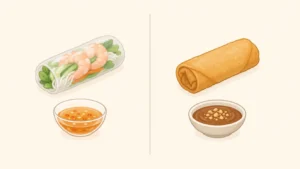
Fresh spring rolls, summer rolls, and rice paper rolls are essentially the same category of dish under different regional names, and nuoc cham is the traditional pairing for all three. Its acidity balances the raw vegetables, herbs, and rice paper, which have little seasoning of their own. Fried spring rolls or egg rolls, by contrast, pair well with either sauce: nuoc cham cuts through the oil, while peanut sauce adds richness that complements the crisp shell.
A useful rule of thumb: the fresher and lighter the roll, the more it benefits from nuoc cham’s acidity; the crispier or heavier the dish, the more it can support a thicker, sweeter peanut sauce.
Using Vietnamese Dipping Sauce with Vermicelli and Grilled Meats
Nuoc cham is also the standard sauce for bun dishes — vermicelli noodle bowls topped with grilled pork, chicken, or spring rolls. In this context, the sauce is poured generously over the entire bowl rather than used as a side dip, so it is often made slightly more diluted than the version served with fresh rolls. Grilled lemongrass chicken or pork, a common Vietnamese main, is typically served the same way, with the sauce doubling as both a marinade base ingredient and a table condiment.
Storage and Make-Ahead Tips
- Nuoc cham without garlic and chili can be refrigerated in an airtight container for up to a week; add the fresh garlic and chili just before serving for the best flavor and texture.
- Peanut dipping sauce keeps for about 5 days refrigerated and may need a small amount of water whisked in to loosen it before serving.
- Neither sauce freezes well, since the fresh lime, garlic, and chili lose their brightness and texture after thawing.
Conclusion
Vietnamese dipping sauce is less a single recipe than a flexible formula built around balancing salty, sour, sweet, and spicy elements. Nuoc cham, the fish-sauce-and-lime version, is the most versatile and pairs with fresh rolls, noodle bowls, and grilled meats, while peanut dipping sauce offers a richer, sweeter option best suited to fried foods. Both take only a few minutes to prepare and can be adjusted by taste, which is why they remain a staple in Vietnamese home cooking.
FAQ
What is Vietnamese dipping sauce made of? The classic version, nuoc cham, is made from fish sauce, lime juice, sugar, water, garlic, and chili. A peanut-based alternative uses hoisin sauce, peanut butter, garlic, and water.
What is the difference between nuoc cham and Vietnamese peanut sauce? Nuoc cham is thin, tangy, and fish-sauce-based, typically used with fresh rolls and noodle dishes. Peanut sauce is thicker, sweeter, and nuttier, and is more often served with fried foods.
Can I make Vietnamese dipping sauce without fish sauce? Fish sauce is what gives nuoc cham its characteristic savory depth, so removing it changes the sauce significantly. Some cooks substitute soy sauce for a vegetarian version, though the flavor will be milder and less complex.
How long does homemade Vietnamese dipping sauce last? Nuoc cham keeps for up to a week refrigerated if the garlic and chili are added fresh at serving time. Peanut dipping sauce keeps for about 5 days refrigerated.
What dishes is Vietnamese dipping sauce used for? It’s commonly served with fresh spring rolls, summer rolls, rice paper rolls, fried spring rolls, vermicelli noodle bowls, and grilled meats like lemongrass chicken or pork.