Introduction
Cicchetti recipes bring one of Italy’s most sociable food traditions into the home kitchen. Cicchetti are small savory bites that originated in Venice, served in the city’s traditional bacari (small wine bars) alongside a glass of local wine. Unlike a formal multi-course Italian meal, cicchetti are meant to be eaten standing up, shared among friends, and paired with conversation rather than ceremony. This guide covers what cicchetti actually are, how to make traditional and easy versions at home, which toppings define the category, and how vegetarian, pasta, chicken, and anchovy variations fit into the tradition.
Quick Summary
Cicchetti are Venetian small plates similar in concept to Spanish tapas. Traditional versions center on bread or crostini topped with ingredients like baccalà mantecato (whipped salt cod), marinated seafood, cured meats, or soft cheeses. Easy home versions swap labor-intensive components for simple, ready-to-assemble toppings. Vegetarian, pasta-based, and chicken-based cicchetti are modern adaptations that keep the small-plate format while changing the core ingredients.
1. What Cicchetti Means and Where the Tradition Comes From
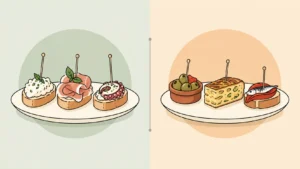
The word cicchetti describes small savory snacks native to Venice, Italy, typically eaten in a bacaro alongside an ombra, a small glass of local wine. The term is sometimes translated loosely as “Italian tapas,” since both traditions share the idea of small, shareable plates meant to accompany drinking and socializing rather than serve as a full meal. However, cicchetti developed independently in northern Italy and rely on distinctly Venetian ingredients: lagoon seafood, cured fish, soft polenta, and simple cured meats.
Cicchetti in Venice are usually displayed along a bar counter so customers can see and choose their bites before ordering, similar to how pintxos are displayed in Basque bars. This visual, help-yourself format is part of what makes cicchetti different from a plated Italian appetizer course — the emphasis is on variety and speed, with diners often visiting several bacari in one evening, each stop offering just one or two bites.
2. Traditional Venetian Cicchetti Recipes
Traditional and authentic cicchetti recipes tend to fall into a few recognizable categories, and understanding these categories makes it easier to recreate them accurately at home rather than guessing at ingredients.
- Baccalà mantecato: salt cod that has been soaked to remove excess salt, then poached and whipped with olive oil until it becomes a light, spreadable mousse, usually served on grilled polenta or bread.
- Sarde in saor: sardines fried and then marinated in a sweet-and-sour mixture of onions, vinegar, pine nuts, and raisins. The marinating step is what defines the dish — it softens the onions and lets the fish absorb the sweet-sour flavor over several hours, so skipping the resting time results in a much flatter taste.
- Polpette: small fried meatballs, often made from a mix of beef or veal with breadcrumbs, typically served skewered with a toothpick for easy eating.
- Folpetti: tender baby octopus, boiled and dressed simply with olive oil, lemon, and parsley.
These dishes rely on ingredients that were historically accessible in a lagoon city — salt-preserved fish, root vegetables, and vinegar-based preserving techniques — which is why seafood and sweet-sour flavor combinations appear so often in venetian cicchetti.
3. Easy Cicchetti Recipes for Home Cooks
Easy cicchetti recipes generally simplify one of two things: the preparation time or the ingredient list. A home cook can keep the authentic spirit of cicchetti while cutting corners in specific, sensible places.
- Use good-quality tinned tuna or canned anchovies instead of curing fish from scratch — the texture is close enough that most guests won’t notice, and it removes an entire preparation stage.
- Swap whipped baccalà for a simple whipped ricotta or soft goat cheese base, then top with olive oil and cracked pepper for a similar creamy contrast against crisp bread.
- Choose no-cook toppings like marinated olives, roasted peppers, or thinly sliced cured meats for a version that needs only assembly, not cooking.
- Toast bread in batches ahead of time; toasted crostini hold their crunch for a few hours at room temperature, which matters because soggy bread is the most common reason homemade cicchetti fail.
The key substitution principle behind easy cicchetti recipes is texture matching: as long as the substitute mimics the original’s texture (creamy, briny, crisp, or tangy), the dish still reads as authentic even with shortcuts.
4. Popular Cicchetti Toppings and How to Build Them
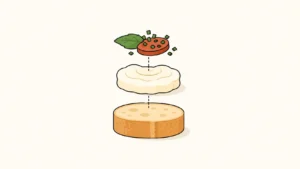
Cicchetti toppings follow a simple structural logic: a base, a spread or protein, and a finishing element that adds acidity, crunch, or salt.
| Layer | Common Options | Why It Matters |
|---|---|---|
| Base | Crostini, grilled polenta, small bread rounds | Provides structure; must be sturdy enough to hold toppings without collapsing |
| Spread/Protein | Whipped cod, ricotta, cured ham, marinated seafood | Delivers the main flavor and texture contrast |
| Finish | Lemon zest, olive oil, capers, fresh herbs | Adds brightness that balances rich or salty bases |
Skipping the finishing layer is the most common mistake in homemade toppings, because without acidity or a fresh herb note, rich toppings like whipped cod or cured meat can taste one-dimensional.
5. Vegetarian Cicchetti Recipes
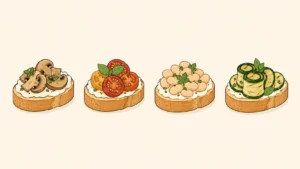
Vegetarian and simple vegetarian cicchetti recipes replace the traditional seafood or meat base with vegetables, cheese, or legumes while keeping the same base-spread-finish structure.
- Grilled polenta rounds topped with sautéed mushrooms and a drizzle of truffle oil.
- Crostini with whipped ricotta, roasted cherry tomatoes, and fresh basil.
- Marinated white beans with garlic and rosemary, spooned onto toasted bread.
- Grilled zucchini ribbons rolled around soft cheese and secured with a toothpick, echoing the skewered presentation of traditional polpette.
Because much of the flavor complexity in traditional cicchetti comes from salt-cured or fermented ingredients, vegetarian versions benefit from adding umami substitutes like sun-dried tomatoes, capers, or aged cheese to avoid tasting flat by comparison.
6. Cicchetti with Pasta, Chicken, and Anchovy
Pasta, chicken, and anchovy cicchetti are less traditional but have become popular as bacari and home cooks adapt the format to different ingredients.
- Pasta cicchetti: small portions of cold pasta salad, or bite-sized baked pasta cups, served in place of bread-based crostini. These work best with pasta shapes that hold their shape when cooled, such as small tubes or shells.
- Chicken cicchetti: shredded or diced cooked chicken mixed with a light sauce (such as lemon mayonnaise or pesto) and piled onto crostini, functioning as a modern substitute for the traditional cured-meat toppings.
- Anchovy cicchetti: whole marinated anchovy fillets laid over bread with butter or soft cheese, one of the closer modern relatives to the traditional salt-cod-based recipes, since both rely on a strong, briny fish flavor balanced against a creamy or starchy base.
7. Serving Cicchetti Outside Italy
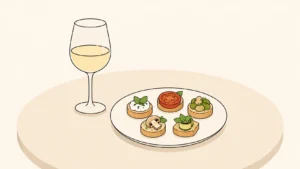
Cicchetti recipes have been adapted in the UK and beyond for dinner parties, wine bars, and casual entertaining, generally following the same small-plate logic while substituting locally available ingredients. When serving cicchetti outside Venice, it helps to plan for three to five bites per guest for a pre-dinner spread, or six to eight bites per guest if cicchetti are the entire meal, since portions are intentionally small.
Conclusion
Cicchetti recipes offer a flexible way to bring Venetian small-plate culture into any kitchen, whether the goal is an authentic traditional spread or a quick, easy version built around simple toppings. Understanding the underlying structure — a sturdy base, a flavorful spread, and a bright finishing touch — makes it possible to adapt cicchetti into vegetarian, pasta, chicken, or anchovy variations without losing what makes the format work: small, balanced bites meant to be shared.
FAQ
What does cicchetti mean? Cicchetti refers to small savory snacks from Venice, Italy, traditionally served in bacari alongside a small glass of wine.
Are cicchetti the same as tapas? Cicchetti and tapas share a similar small-plate, shareable concept, but cicchetti developed separately in Venice and rely on different regional ingredients, such as lagoon seafood and salt-cured fish.
What is the most traditional cicchetti dish? Baccalà mantecato, a whipped salt cod spread served on bread or polenta, is one of the most iconic and traditional cicchetti recipes.
Can cicchetti be made vegetarian? Yes. Vegetarian cicchetti typically replace seafood or meat with vegetables, cheese, or legumes while keeping the same base-spread-finish structure used in traditional recipes.
How many cicchetti should I serve per person? For a pre-dinner spread, plan on three to five pieces per guest; for a full cicchetti-based meal, six to eight pieces per guest is a more accurate estimate.