Introduction
Shredded chicken bao buns pair a pillowy, steamed white bun with a warm, saucy chicken filling that’s tender enough to pull apart with a fork. The dish sits at the intersection of Chinese baozi tradition and the quick weeknight comfort of pulled meat sandwiches, which is part of why it has become a go-to for home cooks looking for something that feels special without requiring restaurant-level technique. This guide breaks down exactly how the chicken is cooked, how the bun holds up to a saucy filling, and how small changes in sauce, cooking method, or bun style shift the final result.
Quick Summary
Shredded chicken bao buns are made by slow-cooking, roasting, or poaching chicken until it shreds easily, then tossing it in a sauce such as hoisin, teriyaki, or a sticky soy-based glaze before stuffing it into a soft, steamed bao bun. The chicken can be prepared ahead, made from leftovers, or cooked specifically for the recipe, and the dish adapts well to different sauces and spice profiles.
What Makes Shredded Chicken the Right Filling for Bao
Bao dough is soft, slightly sweet, and low in structural strength compared to bread. That means the filling needs to be moist enough to complement the bun but not so wet that it turns the dough soggy. Shredded chicken solves this because the meat fibers hold sauce in their structure rather than releasing it as free liquid the way a ground filling might. Chicken thigh meat is generally preferred over breast meat for bao filling because its higher fat content keeps the shreds moist through reheating, while breast meat, though leaner, can dry out and become stringy if overcooked.
Choosing and Cooking the Chicken (Slow Cooker, Roast, and Grilled Methods)
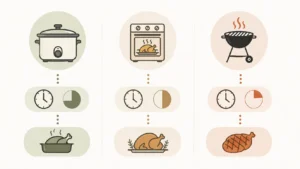
Slow cooker method: Boneless, skinless chicken thighs cooked on low for 6 to 7 hours, or on high for 3 to 4 hours, in a mixture of soy sauce, aromatics, and a small amount of liquid will shred with two forks with minimal effort. The slow cooker method is popular for bao filling because the long, low heat breaks down connective tissue without drying the meat, and the resulting cooking liquid can be reduced afterward to intensify the sauce.
Roasting: Roasting a whole chicken or bone-in thighs at 400°F (200°C) until the internal temperature reaches 165°F (74°C) produces a filling with more concentrated flavor from browning, though it requires more active attention than a slow cooker.
Grilling: Grilled chicken bao buns use chicken cooked over direct heat, then shredded and tossed with sauce afterward; the char from grilling adds a smoky note that pairs particularly well with hoisin or teriyaki glazes.
Across all three methods, the internal temperature target is the same — 165°F (74°C) — because this is the food-safety threshold at which chicken is fully cooked, and cooking past this point by a wide margin is what causes the meat to dry out and resist easy shredding.
Building the Sauce: Hoisin, Teriyaki, and Sticky Glazes
The sauce is what turns plain cooked chicken into bao filling, and the choice of sauce is largely a choice of flavor direction rather than technique.
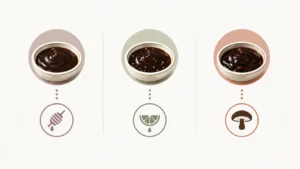
- Hoisin pulled chicken uses hoisin sauce as the base, often thinned with a splash of rice vinegar and a little water, producing a filling that’s sweet, slightly tangy, and deeply savory from the fermented soybean base of hoisin.
- Teriyaki chicken bao buns rely on a soy-mirin-sugar glaze that’s thicker and glossier, with a flavor that leans sweeter and less complex than hoisin.
- Sticky chicken bao buns describe the texture outcome rather than a single sauce — any glaze reduced until it coats the shredded meat in a thin, clinging layer will read as “sticky,” which is generally the target texture for bao filling since it prevents the sauce from pooling and making the bun soggy.
A useful technique across all three: shred the chicken first, then toss it in the sauce over low heat for a few minutes rather than simmering whole pieces in sauce. This lets the sauce coat the increased surface area of the shredded fibers evenly.
Fried and Crispy Chicken Variations
Fried and crispy chicken bao buns swap the tender, saucy filling for a crunchier one. In this version, chicken pieces are breaded and fried before being tossed lightly in sauce — just enough to flavor the coating without soaking it through and losing crispness. This variation is closer in spirit to a sandwich than to a traditional baozi, and works best served immediately, since the crispy coating softens quickly once combined with sauce or the moisture from a steamed bun.
Assembling the Bao: Steaming, Folding, and Texture
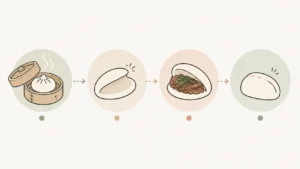
Store-bought bao buns typically come pre-formed and just need steaming for 8 to 10 minutes from frozen, or a few minutes from thawed, until they’re soft and slightly glossy. Homemade bao dough needs a second proof after shaping before steaming, which is what gives the finished bun its characteristic light, pillowy texture rather than a dense one. Once steamed, the bun is opened along its fold and filled with a modest portion of shredded chicken — overfilling is the most common cause of buns that won’t close properly or that split during eating.
Global Flavor Variations
While the base technique of shredding and saucing chicken stays consistent, the flavor profile shifts significantly by regional influence:
- Chinese-style fillings lean on soy sauce, five-spice, and hoisin, closest to traditional baozi flavor.
- Japanese-style versions favor teriyaki or a light miso glaze.
- Thai-style fillings often add fish sauce, lime, and chili for a sharper, brighter profile.
- Vietnamese-style versions may incorporate fish sauce and pickled vegetables alongside the chicken for contrast.
- Malaysian-style fillings sometimes bring in coconut or curry-spiced elements.
These variations are described as “asian fusion” when a recipe deliberately blends two or more of these traditions, such as a hoisin-and-Thai-chili glaze, rather than following one cuisine’s flavor profile exclusively.
Using Leftover Chicken
Leftover roast or grilled chicken is one of the fastest routes to bao filling, since the cooking step is already done. The chicken only needs to be shredded, warmed gently, and tossed in sauce — a process that takes under 10 minutes and makes bao buns a practical way to repurpose a rotisserie chicken or the remainder of a larger roast.
Storage and Reheating
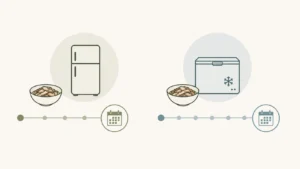
Cooked, sauced chicken filling keeps in an airtight container in the refrigerator for 3 to 4 days, and can be frozen for up to 3 months. It’s best to store the filling separately from the buns, since the bun’s texture degrades faster than the filling’s when stored together. Buns reheat well by re-steaming for a few minutes; the filling can be warmed in a pan or microwave and combined with the bun just before serving.
Dietary Adaptations
The chicken filling itself is naturally free of common allergens beyond soy (present in most hoisin and teriyaki sauces), and tamari can substitute for soy sauce to make the filling gluten-free — though standard bao dough is not gluten-free unless made with an alternative flour blend. The dish is not suitable for vegetarian or vegan diets without substituting a plant-based protein for the chicken, such as shredded jackfruit or mushrooms, prepared with the same sauce technique.
Conclusion
Shredded chicken bao buns work because the core technique — cook the chicken until it shreds easily, coat it in a reduced sauce, and stuff it into a soft steamed bun — stays simple even as the flavor profile changes. Whether the chicken comes from a slow cooker, a roasted bird, leftovers, or the grill, and whether the sauce leans hoisin, teriyaki, or a fusion of regional flavors, the same basic principles of moisture, sauce reduction, and portioning determine whether the finished bun holds together and tastes balanced.
FAQ
Can I use chicken breast instead of thighs? Yes, but breast meat is leaner and more prone to drying out; cooking it just to 165°F (74°C) and no further, and shredding it while still warm, helps preserve moisture.
Why is my bao filling making the bun soggy? The sauce likely hasn’t been reduced enough. Tossing shredded chicken in sauce over low heat until it clings to the meat, rather than pooling in the pan, prevents excess liquid from soaking into the bun.
Can I make the filling ahead of time? Yes. The sauced chicken filling can be made up to 4 days ahead and refrigerated, or frozen for longer storage, and reheated just before assembling the buns.
What’s the difference between bao buns and baozi? “Bao” broadly refers to the steamed bun itself, while “baozi” specifically refers to the filled, fully enclosed steamed bun, as opposed to the open-fold sandwich-style bao commonly used for shredded fillings like this one.