Introduction
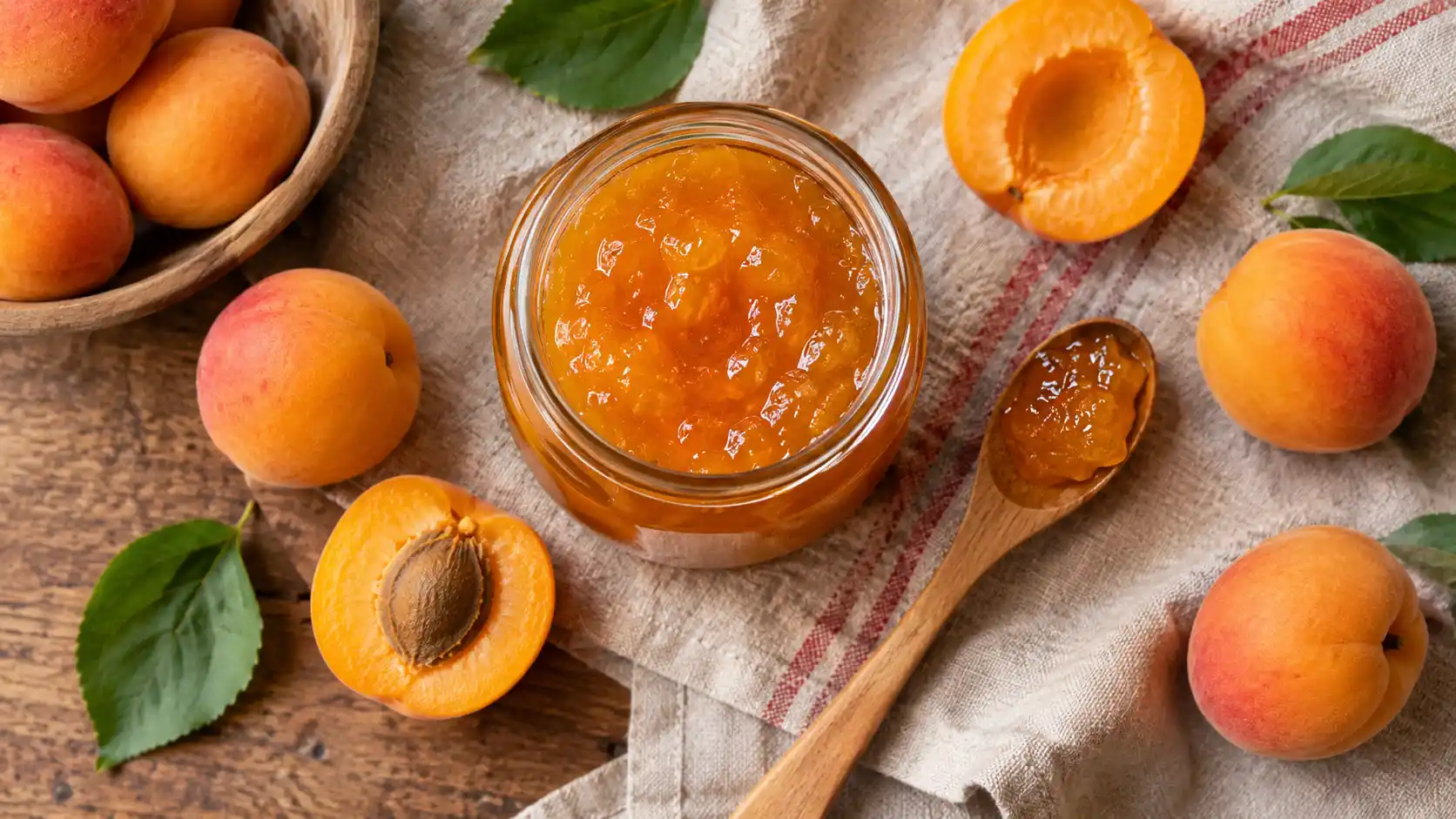
Apricot jam is one of the most forgiving preserves a home cook can make, prized for its natural balance of tartness and floral sweetness. Because apricots are naturally high in pectin and acid, they set reliably without the fuss that some other fruits require, which is why apricot jam recipes remain a favorite entry point for beginner preservers and a lifelong staple for experienced ones. This guide covers every major approach to making apricot jam, including old-fashioned stovetop methods, low-sugar and pectin-free techniques, fresh and dried apricot variations, and creative modern twists.
Quick Summary
Apricot jam is typically made by cooking chopped apricots with sugar and lemon juice until the mixture thickens and reaches setting point, either with or without added pectin. Fresh, ripe apricots give the brightest flavor, while dried apricots produce a deeper, more concentrated jam useful outside of fresh-fruit season. Sugar can be reduced substantially when low- or no-sugar pectin is used, and finished jam can be preserved by water-bath canning or stored in the freezer for longer shelf life without processing.
What Makes a Great Apricot Jam
The quality of apricot jam depends on three factors: fruit ripeness, acid balance, and cooking time. Slightly underripe apricots contain more natural pectin than very soft, overripe fruit, so a mix of ripe and just-underripe apricots often produces the best set. Lemon juice serves two purposes: it boosts acidity to help the pectin gel, and it brightens the jam’s flavor, which can otherwise taste flat once sugar is added. Overcooking is the most common mistake, since prolonged boiling darkens the color, dulls the fresh apricot flavor, and can turn the texture gummy rather than spreadable.
Old-Fashioned and Traditional Apricot Jam
Old-fashioned apricot jam recipes rely on nothing more than fruit, sugar, and time, without commercial pectin. This method works because apricots naturally contain enough pectin, especially when some slightly underripe fruit is included. The traditional process involves macerating chopped apricots with sugar for a few hours or overnight to draw out juice, then simmering the mixture uncovered until it thickens. A classic ratio is roughly equal parts fruit and sugar by weight, though many traditional recipes reduce sugar slightly since apricots are naturally sweet. This slower, pectin-free method produces a jam with a softer set and a more pronounced, almost caramelized apricot flavor compared to quick-set commercial-pectin versions.
Simple, Easy, and Foolproof Methods
For a foolproof apricot jam recipe, the key is testing for doneness accurately rather than guessing based on time alone. The most reliable method is the “plate test”: chill a small plate in the freezer, drop a spoonful of hot jam onto it, wait a minute, then push it with a finger. If it wrinkles and holds a line, the jam is set. A simple stovetop method involves combining chopped apricots, sugar, and lemon juice in a wide, heavy-bottomed pot, then boiling steadily while stirring frequently to prevent scorching, usually for 20 to 35 minutes depending on batch size. A wide pot is essential because it increases surface area, speeding evaporation and helping the jam set faster with less risk of overcooking.
Working With or Without Pectin
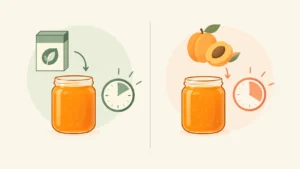
Apricot jam recipes with pectin set faster and more predictably, which is useful for larger batches or for cooks who want a firmer, more spreadable texture every time. Powdered or liquid commercial pectin is added according to package instructions, and these recipes typically require a full rolling boil for exactly one to two minutes once the pectin activates. Apricot jam recipes without pectin rely on the fruit’s own pectin content combined with longer cooking, which concentrates natural pectin as water evaporates. The trade-off is time versus consistency: no-pectin jam takes longer and produces a slightly softer, more rustic set, while pectin-added jam is faster and firmer but requires precise sugar ratios, since most commercial pectins need a minimum sugar level to gel properly.
Healthy and Low-Sugar Versions
Healthy and low-sugar apricot jam recipes typically use low-methoxyl pectin or “no-sugar-needed” pectin, both of which gel using calcium rather than relying on high sugar concentration. This allows sugar to be reduced by half or more, or replaced with alternatives like honey, though honey adds its own flavor and can affect set time. Because sugar acts as a preservative in traditional jam, low-sugar versions generally have a shorter refrigerator shelf life once opened and should be processed carefully if canned, or stored in the freezer for best safety. Fruit-forward flavor is actually easier to taste in low-sugar apricot jam, since less sugar means the natural tartness and floral notes of the apricot come through more clearly.
Fresh vs. Dried Apricots
Recipes using fresh apricots produce a bright, lightly tart jam with a soft, chunky texture, and are best made during peak apricot season when fruit is naturally sweet and juicy. Dried apricot jam, by contrast, is made by rehydrating dried apricots in water or juice before cooking them down with sugar, resulting in a deeper, more concentrated flavor with jammy, almost date-like notes. Dried apricot jam is particularly useful outside of fresh apricot season, since dried fruit is available year-round and produces a thicker jam with less natural liquid to cook off. Some cooks combine both, using a small amount of dried apricots to intensify flavor in a fresh-apricot batch without needing extra cooking time.
Canning and Freezer Storage
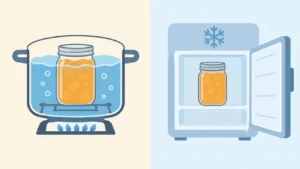
Apricot jam recipes for canning use the water-bath method: filled, sealed jars are processed in boiling water for a set time (commonly 10 minutes for half-pint jars at sea level, with longer times at higher altitudes) to create a vacuum seal safe for shelf storage. This method matters because it stops microbial growth and prevents the seal from failing after storage. Canned apricot jam recipes work well with both pectin-added and traditional long-cook methods, though the finished jam should still be hot when ladled into sterilized jars. Apricot freezer jam recipes skip the canning process entirely: the jam is cooked briefly (or sometimes not cooked at all, using instant freezer-jam pectin), poured into freezer-safe containers, and frozen for up to a year, which preserves an especially fresh, uncooked apricot flavor.
Unique and Unusual Flavor Variations
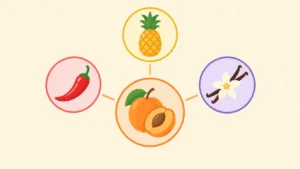
Unique apricot jam recipes pair the fruit’s natural sweetness with contrasting flavors. Apricot-pineapple jam adds tropical brightness and extra acidity, which can also help the set. Apricot-jalapeño and apricot-habanero jam recipes balance sweet and spicy notes, popular as a glaze for meats or a topping for cheese boards; the chili is typically added in the last stage of cooking so its heat doesn’t dull during a long simmer. Other unusual combinations include apricot with vanilla bean, apricot with fresh ginger, and apricot with a splash of amaretto or almond extract, since almond flavor naturally complements stone fruit.
French-Style Apricot Jam
French apricot jam recipes, often labeled “confiture,” tend to use a higher fruit-to-sugar ratio and sometimes include a few cracked apricot kernels (the almond-like seed inside the pit) tied in cheesecloth during cooking, which imparts a subtle almond aroma. French technique also favors a shorter, more careful boil to preserve fruit texture, sometimes leaving small apricot pieces distinctly visible rather than fully breaking down, giving the jam a more textured, less uniformly smooth consistency than typical mass-produced jam.
Conclusion
Whether the goal is a traditional slow-cooked preserve, a quick foolproof batch for beginners, a low-sugar version, or a spiced-up unique flavor combination, apricot jam adapts well to nearly any method thanks to the fruit’s natural pectin and acidity. Understanding the role of ripeness, acid, sugar, and cooking time makes it possible to adjust any base recipe confidently, whether using fresh or dried apricots, with or without commercial pectin, and whether preserving by canning or freezing.
FAQ
Does apricot jam need added pectin to set? No. Apricots contain enough natural pectin to set on their own with a longer cook time, though added pectin creates a faster, firmer set.
Why is my apricot jam too runny? The jam likely wasn’t cooked long enough to reach setting point, or too many overripe apricots (which have less natural pectin) were used. Testing with the chilled-plate method helps confirm doneness.
Can I make apricot jam with less sugar? Yes, using low-sugar or no-sugar-needed pectin allows sugar to be reduced significantly, though the jam will have a shorter shelf life once opened.
Is dried apricot jam as good as fresh apricot jam? It’s different rather than worse: dried apricot jam has a deeper, more concentrated flavor, while fresh apricot jam is brighter and lighter, making both suited to different uses.
How long does homemade apricot jam last? Properly canned and sealed jam lasts up to a year in a cool, dark place; once opened, refrigerate and use within about 3 to 4 weeks. Freezer jam lasts up to a year frozen.