Introduction
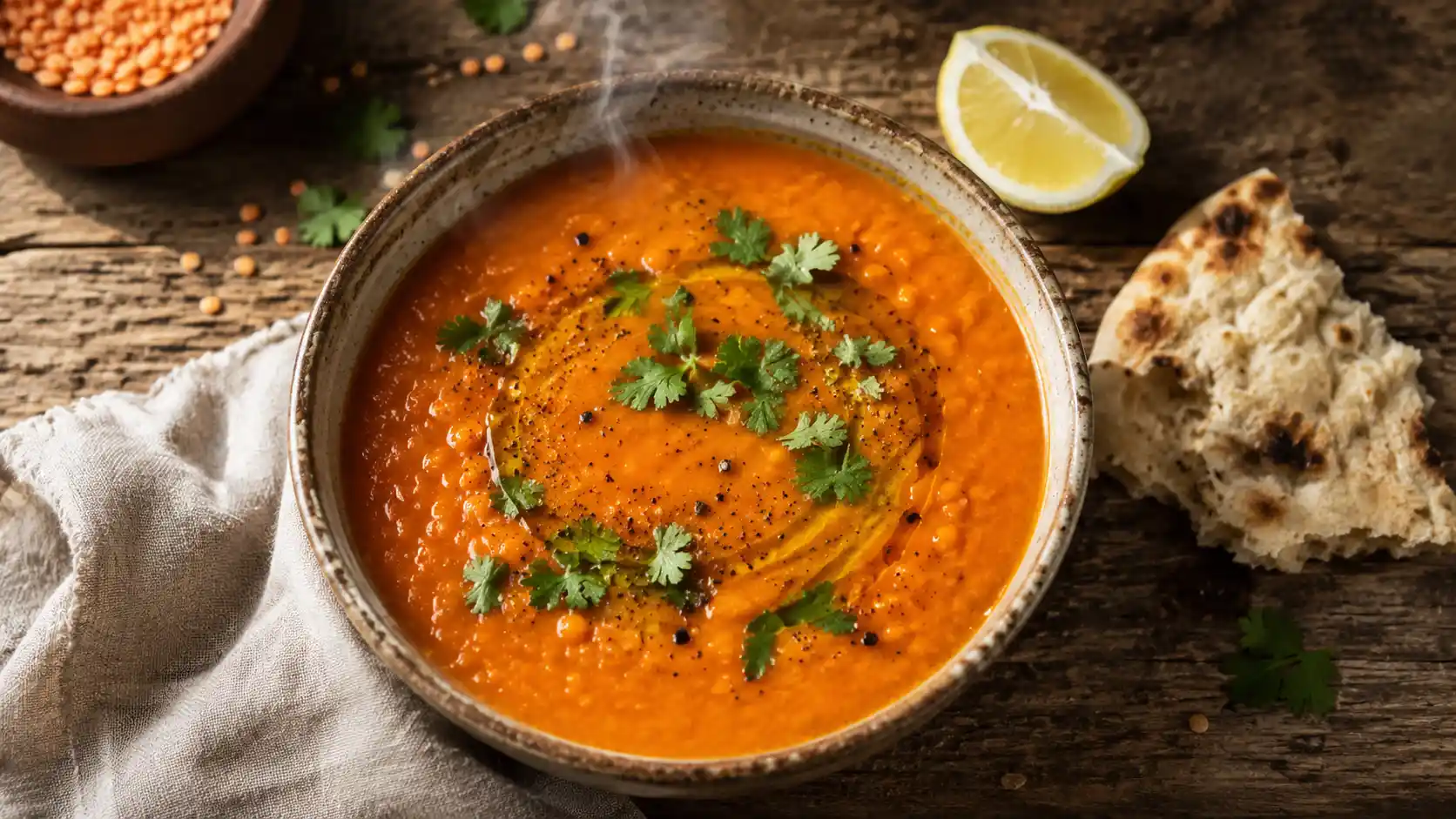
Dahl is one of the most forgiving dishes a Thermomix can make, which is exactly why it shows up so often in recipe communities as a weeknight staple. The machine’s simultaneous chopping, sautéing, and precision-temperature cooking removes the two hardest parts of traditional dahl-making — constant stirring and judging when lentils have softened without turning to mush. This article explains how a Thermomix dahl comes together, why each ingredient and step matters, and how to adapt the base recipe into coconut, sweet potato, pumpkin, or cauliflower versions without losing texture or flavor balance.
Quick Summary
A classic Thermomix dahl uses red lentils (which break down into a naturally creamy texture without added dairy), an onion-garlic-ginger base sautéed in the mixing bowl, ground spices bloomed briefly in residual heat, and a simmer stage set around 90°C for roughly 20–25 minutes on a low reverse blade speed. Total active time is under 10 minutes; total cook time is typically 30–35 minutes. The dish is naturally vegan, gluten-free, and freezer-friendly.
What Is Dahl, and Why the Thermomix Suits It
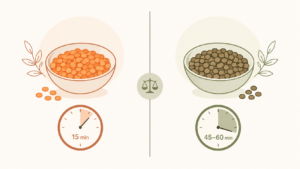
Dahl (also spelled dal or daal) refers to both dried, split legumes and the stewed dish made from them. It originates in South Asian cooking and typically features lentils, split peas, or beans simmered with aromatics and spices until they collapse into a thick, spoonable stew. Red lentils (masoor dal) are the most common choice for a quick dahl because they contain no seed coat, so they soften and dissolve in 20–25 minutes rather than the 45+ minutes whole lentils need.
The Thermomix suits this dish for three structural reasons. First, its built-in scale removes guesswork from lentil-to-liquid ratios, which is the single biggest factor in whether a dahl turns out soupy or stodgy. Second, the reverse blade function stirs gently from the base without pulverizing the lentils into a smooth purée, preserving some textural bite. Third, precise temperature control (typically Varoma or 90–100°C) prevents the scorching that happens easily in a dahl left unattended on a stovetop, since lentils thicken as they cook and can catch on a pan’s base.
Core Ingredients and What Each One Does
- Red lentils (250g): The base and thickener. They break down structurally as they cook, which is what gives dahl its characteristic creamy body without cream or coconut milk being required.
- Onion, garlic, ginger: The aromatic base. Sautéing them first (rather than adding raw) develops sweetness and removes the sharp, raw-allium taste that would otherwise dominate the finished dish.
- Ground cumin, turmeric, coriander: Turmeric contributes color and a mild earthiness; cumin and coriander add warmth and depth. Blooming these spices briefly in oil or residual heat before adding liquid activates their fat-soluble aromatic compounds, which is why “toasting” spices produces a noticeably more fragrant result than adding them straight into the liquid.
- Vegetable stock or water: The cooking liquid. Stock adds a savory backbone; water alone requires more seasoning correction at the end.
- Tinned tomatoes (optional): Adds acidity, which balances the earthiness of the lentils and spices.
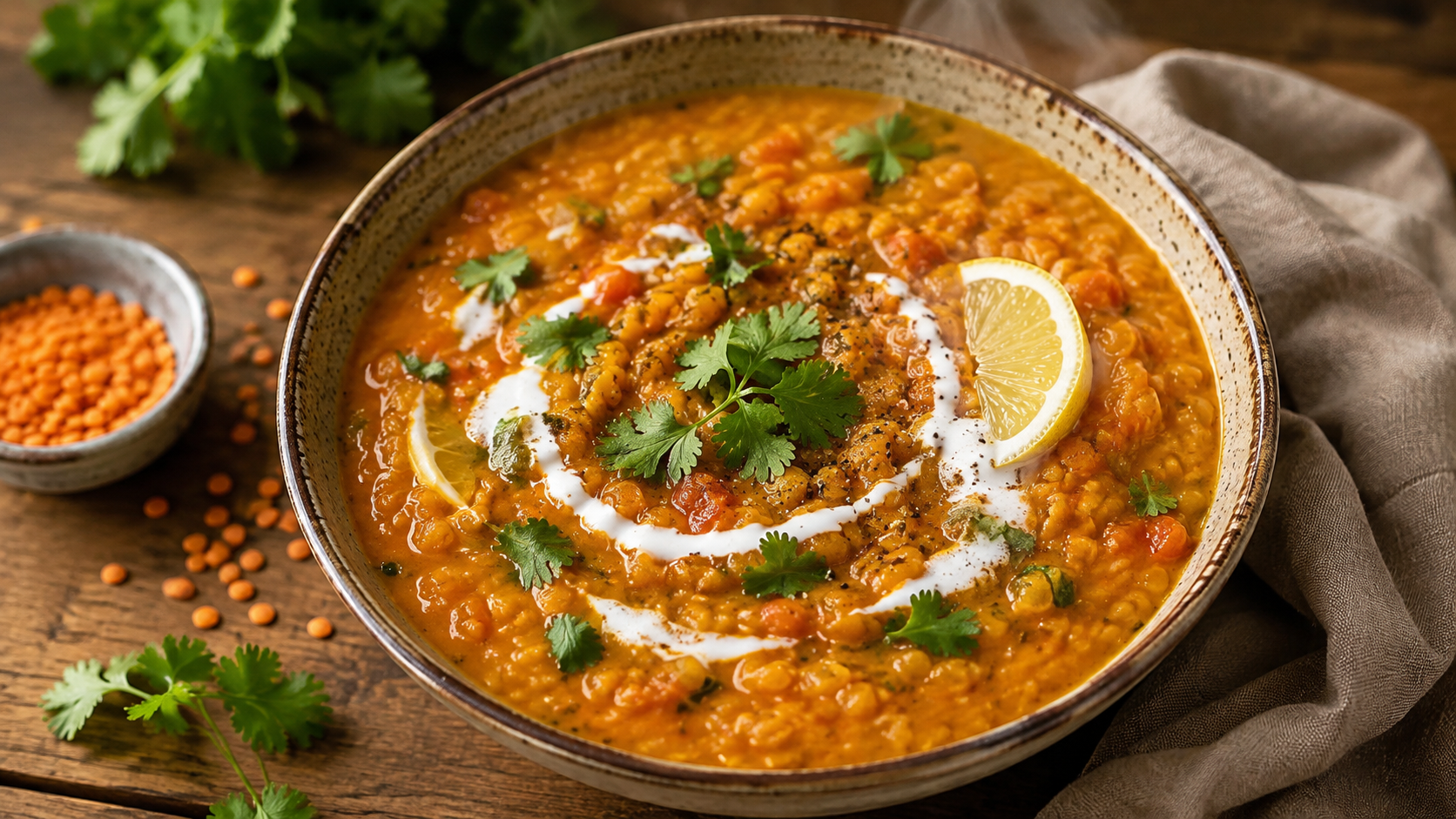
- Coconut milk (optional, for coconut dahl): Adds richness and a subtly sweet, rounded finish; it’s added toward the end of cooking rather than the start, since prolonged high heat can cause coconut milk to split.
- Finishing lemon juice and fresh coriander: Acid and freshness cut through the density of the stew and are added off the heat so their brightness isn’t cooked away.
Step-by-Step Thermomix Method
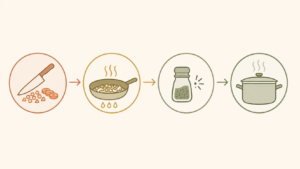
- Add onion, garlic, and ginger to the mixing bowl and chop: 3 sec/speed 5.
- Scrape down the sides, add oil, and sauté: 3 min/100°C/speed 1.
- Add ground spices and sauté briefly: 1 min/100°C/speed 1, to bloom their aromatics.
- Add rinsed red lentils, stock or water, and tomatoes if using.
- Cook: 20–25 minutes/90–98°C/reverse speed soft stir (speed 1), simmer basket lid off or on depending on model, to allow gentle evaporation and thickening.
- Check consistency at the 20-minute mark; lentils should have fully collapsed and the mixture should coat a spoon thickly.
- Stir in coconut milk (if using) for a final 2–3 minutes on a low reverse setting, just enough to warm through without prolonged boiling.
- Season with salt, finish with lemon juice, and fold through fresh coriander just before serving.
Skipping the sauté step in favor of dumping all ingredients in at once is the most common shortcut that changes the result: the dahl will still cook, but it tastes noticeably flatter because the spices never bloom in fat and the onion never develops sweetness.
Popular Variations
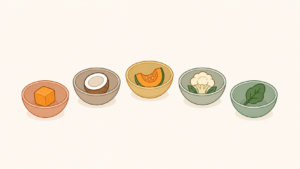
Sweet Potato Dahl: Diced sweet potato is added alongside the lentils at the start of the simmer stage. It softens at roughly the same rate as red lentils and adds natural sweetness that balances warming spices like cumin and garam masala.
Coconut Dahl: Coconut milk replaces part of the stock, added in the final few minutes rather than the whole cook, to prevent the fat from separating under sustained heat.
Pumpkin Dahl: Diced pumpkin behaves similarly to sweet potato but breaks down slightly faster, so it’s often added a few minutes after the lentils rather than at the same time, to avoid it disintegrating completely.
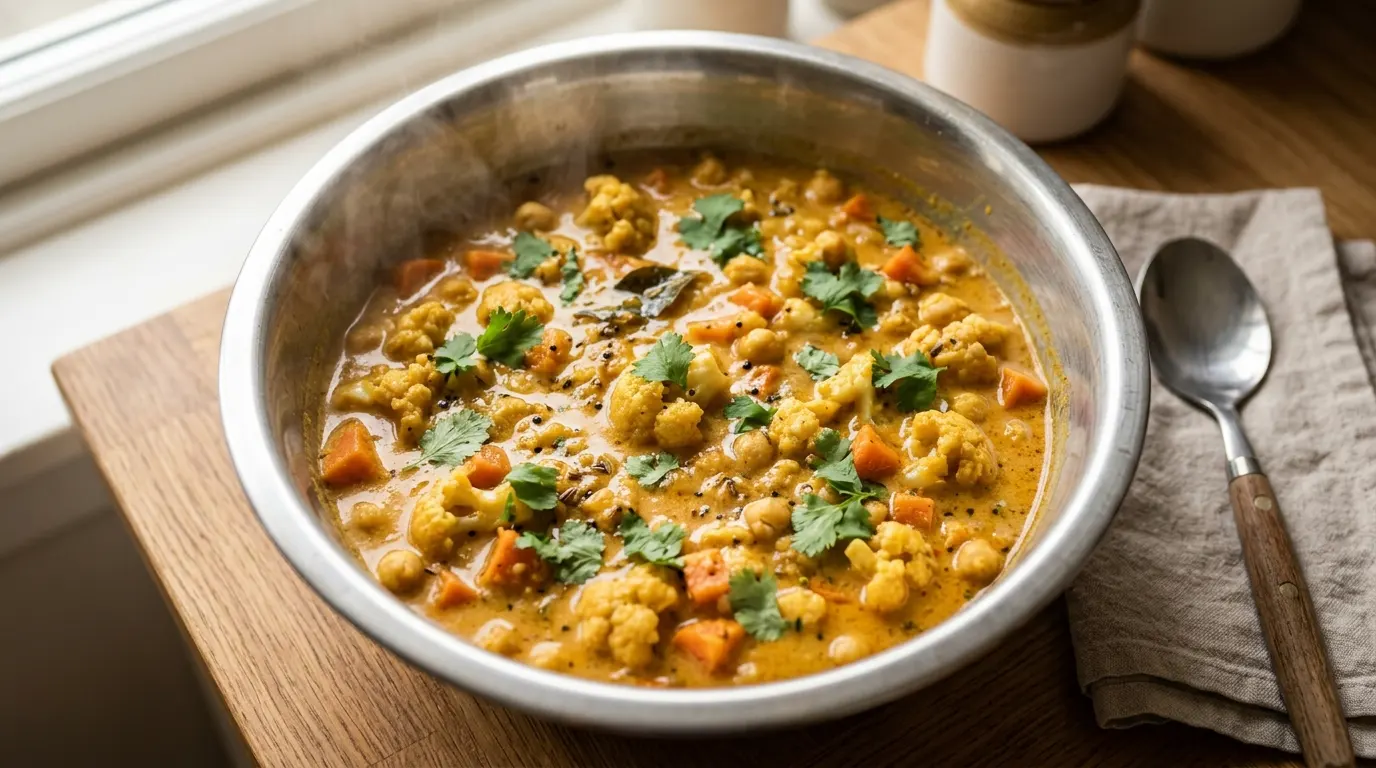
Cauliflower Dahl: Small cauliflower florets are typically added partway through cooking rather than at the start, since cauliflower turns watery and loses shape if simmered for the full 20–25 minutes.
Spinach and Coconut Dahl: Fresh or frozen spinach is stirred through at the very end of cooking; its residual heat wilts it in under a minute, and adding it earlier causes it to overcook and lose color.
Common Mistakes and How to Avoid The
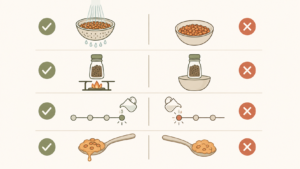
- Not rinsing lentils first: Rinsing removes surface starch that would otherwise make the dahl gluey rather than creamy.
- Adding coconut milk too early: Extended high heat can cause the fat to split, leaving an oily texture instead of a smooth one.
- Using too little liquid: Lentils continue absorbing liquid even after cooking ends, so a dahl that looks correctly loose at the end of the Thermomix cycle can thicken into a paste once rested; slightly looser than desired at the end is usually the safer target.
- Skipping the spice bloom: Raw spice powders added directly to liquid taste dusty rather than aromatic.
Storage, Freezing, and Reheating
Cooked dahl keeps in an airtight container in the refrigerator for up to 4 days. It freezes well for up to 3 months, since lentils hold their structure better through freeze-thaw cycles than many vegetables do. When reheating, a splash of water or stock is usually needed, since the dahl continues to thicken in storage. Coconut-based versions are best stirred well during reheating, as the fat can separate slightly after freezing.
Nutritional Profile and Dietary Notes
Red lentils are high in plant protein and fiber and naturally low in fat, which is why dahl is frequently used as a base for vegan and vegetarian meal planning. The dish is naturally gluten-free, dairy-free (unless yogurt is added as a garnish), and can be made oil-free by sautéing aromatics in a splash of stock instead. Adding coconut milk increases the fat and calorie content but also adds a source of saturated fat from coconut, which some dietary approaches limit.
Conclusion
A Thermomix dahl succeeds because the machine handles the two variables that most often go wrong in stovetop versions: consistent low heat and steady stirring. Red lentils give the dish its structure, a properly sautéed and bloomed spice base gives it depth, and the finishing touches of acid and fresh herbs keep it from tasting flat. From there, the base recipe adapts easily into sweet potato, pumpkin, cauliflower, or coconut variations, making it a genuinely flexible weeknight dish rather than a single fixed formula.
FAQ
Can I use green or brown lentils instead of red lentils in a Thermomix dahl? Green and brown lentils hold their shape rather than breaking down, so the result will be closer to a lentil stew than a traditional creamy dahl, and will need a longer cook time.
Why did my Thermomix dahl turn out too thick? Lentils continue to absorb liquid as they sit, so a dahl that looks correctly consistent right after cooking often thickens further within 10–15 minutes; adding a splash of water or stock while reheating restores the texture.
Is Thermomix dahl suitable for freezing? Yes. Red lentil dahl freezes well for up to 3 months; coconut-based versions should be stirred thoroughly when reheated, as the fat can separate slightly after thawing.
What’s the difference between dahl and lentil soup? Dahl is typically spiced with a bloomed aromatic base (cumin, turmeric, coriander, ginger, garlic) and cooked until the lentils largely dissolve into a thick stew, while lentil soup is often thinner and more variably seasoned, without the same reliance on a fried spice base.