Introduction
A good thermomix dahl turns a handful of pantry staples — red lentils, warming spices, and a splash of coconut milk — into a creamy, deeply comforting meal with almost no hands-on effort. The Thermomix does the chopping, sautéing, and simmering in one bowl, which is why this dish has become a staple in home cooking communities and appliance forums alike. This article breaks down exactly how a Thermomix dahl comes together, why each ingredient and technique matters, and how to adapt the base recipe for different textures, spice levels, and dietary needs.
Quick Summary
A classic Thermomix dahl combines red lentils, onion, garlic, ginger, warming spices (such as cumin, turmeric, and mustard seed), stock, and coconut milk, blitzed and cooked directly in the mixing bowl. Sweet potato is a popular addition for natural sweetness and body. Total active time is usually under 10 minutes, with the appliance handling most of the cooking automatically.
What Makes a Thermomix Dahl Different
Traditional dahl requires separate stages: sautéing aromatics in one pan, simmering lentils in another, and often preparing a tempered spice oil (tarka) as a final step. The Thermomix collapses these stages into a single vessel. Its built-in scale, blade, and heating element let the onion, garlic, and ginger be finely chopped and then cooked in place, so the same bowl that minces the aromatics also simmers the lentils. This is a major reason the recipe shows up so often in appliance-specific recipe communities: it’s reliably repeatable, uses one bowl, and doesn’t require constant stirring to prevent catching, since the built-in stirring blade or reverse function does that work.
Choosing the Right Lentils
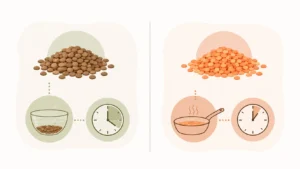
Red lentils (also called split red lentils or masoor dal) are the standard choice for a Thermomix dahl because they break down into a smooth, thick base within 15–20 minutes of simmering, without needing to be soaked first. This is different from whole brown or green lentils, which hold their shape and take considerably longer to soften. Using red lentils specifically is what gives this dahl its characteristic creamy, almost velvety texture rather than a chunky, soup-like consistency. If a firmer texture is preferred, reducing the simmer time by a few minutes will leave some bite in the lentils rather than letting them fully collapse.
The Role of Sweet Potato and Coconut Milk

Sweet potato is a common addition to red lentil dahl because it cooks at roughly the same rate as the lentils and contributes natural sweetness that balances the warmth of the spices. Cubed sweet potato added at the start of the simmer will break down partially, thickening the dahl further and adding a subtle orange hue.
Coconut milk serves a different function: it enriches the dish, mellows the heat from chili or black pepper, and adds a rounded, slightly sweet finish that pairs well with turmeric and cumin. Full-fat coconut milk gives the richest result, while light coconut milk produces a thinner, lower-calorie dahl. Adding the coconut milk toward the end of cooking, rather than at the start, helps preserve its flavor, since prolonged high heat can cause it to separate slightly.
Step-by-Step Method
- Chop the aromatics. Onion, garlic, and ginger are added to the bowl and chopped on a low speed for a few seconds.
- Sauté. The chopped aromatics are cooked briefly with a little oil to soften them and release the fragrance of the ginger and garlic before any liquid is added — this step builds the flavor base and prevents the finished dahl from tasting raw or one-dimensional.
- Add spices. Ground cumin, turmeric, and mustard seed (or a curry powder blend) are stirred in and briefly cooked to bloom their flavor. Blooming spices in a little fat before adding liquid intensifies their aroma compared with adding them straight into the stock.
- Add lentils, sweet potato, and stock. These go in together and are simmered, using the reverse or gentle stir setting so the lentils and sweet potato aren’t broken into a paste too early.
- Simmer. Cooking continues until the lentils soften and the mixture thickens, typically 15–20 minutes.
- Stir in coconut milk. Added near the end, then warmed through briefly rather than boiled hard.
- Season and rest. A final taste for salt and acidity (a squeeze of lime is common) rounds out the flavor before serving.
Spice Layering and Why It Matters
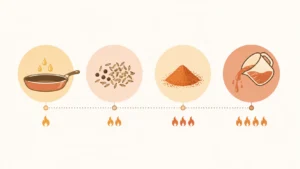
Spices behave differently depending on when they’re added. Toasting whole spices like mustard seeds or cumin seeds in oil before adding liquid releases their essential oils, giving a deeper, more rounded flavor than adding the same spices directly to a simmering liquid. Turmeric, by contrast, doesn’t need blooming to release color and earthiness, but pairs well with a small amount of fat (like the coconut milk or oil already in the recipe) since some of its beneficial compounds are more readily absorbed with fat. Adding fresh chili or chili flakes early distributes heat evenly through the dish, while adding it at the end creates pockets of more intense spice.
Common Substitutions and Their Effects
- Swapping red lentils for yellow split peas results in a firmer, less creamy dahl that needs a longer simmer time.
- Using vegetable stock instead of water adds depth and saltiness, reducing the need for additional seasoning.
- Replacing sweet potato with pumpkin or butternut squash gives a similar sweetness and texture, though pumpkin breaks down slightly faster.
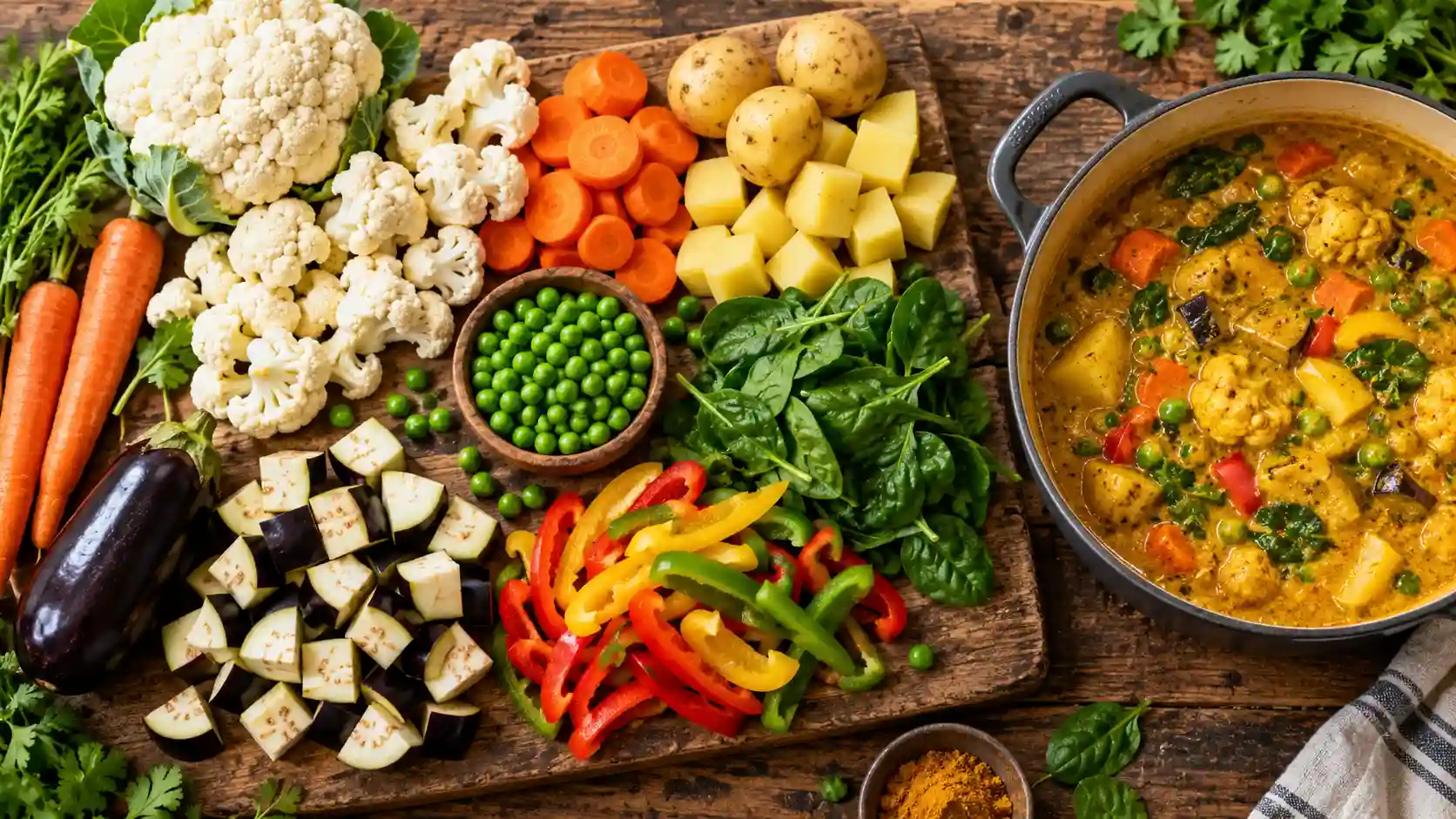
- Adding spinach or kale near the end introduces a vegetable-forward, coconut-and-greens variation without changing the cooking time significantly, since leafy greens wilt in under a minute.
- Using light coconut milk or omitting it entirely produces a thinner, more broth-like dahl, closer to a spiced lentil soup than a traditional creamy dahl.
Storage, Reheating, and Freezing

Thermomix dahl keeps well in an airtight container in the refrigerator for up to four days. Because red lentils continue absorbing liquid as they sit, the dahl will thicken considerably overnight; a splash of water or stock when reheating restores the original consistency. It also freezes well for up to three months — coconut milk-based dahls generally freeze more successfully than dairy-based curries, since coconut milk is less prone to splitting on reheating, though a quick stir after thawing helps recombine the fats.
Making It Healthier Without Losing Flavor
Red lentils are naturally high in plant protein and fiber, which is part of why this dish is popular as a healthy, budget-friendly meal. Using light coconut milk, adding extra vegetables like spinach or cauliflower, and reducing added oil during the sauté step all lower the calorie density without significantly changing the core flavor profile, since the main flavor still comes from the spice blend and aromatics rather than the fat content.
Conclusion
A Thermomix dahl built around red lentils, sweet potato, and coconut milk delivers a creamy, well-spiced meal with minimal hands-on effort, largely because the appliance handles chopping, sautéing, and simmering in a single bowl. Understanding why each stage matters — blooming spices, adding coconut milk late, choosing red lentils for their fast-cooking texture — makes it easier to adapt the base recipe confidently, whether that means swapping vegetables, adjusting spice levels, or scaling it for the freezer.
FAQ
Do I need to soak the lentils first?
No. Red lentils cook quickly enough that soaking isn’t necessary, unlike whole lentils or dried chickpeas.
Why did my coconut milk separate?
This usually happens when it’s added too early and cooked at a high temperature for too long. Adding it near the end and warming gently helps it stay emulsified.
Can I make this dahl without a Thermomix?
Yes — the same steps (sauté aromatics, bloom spices, simmer lentils and sweet potato, stir in coconut milk) work in a standard pot, though it requires more manual stirring to prevent the lentils from sticking.
Is Thermomix dahl vegan?
Yes, when made with vegetable stock and coconut milk, it’s naturally plant-based.
How spicy is a typical dahl?
Base recipes are usually mild to moderate, relying on warming spices like cumin and turmeric rather than significant heat, with chili added separately to adjust to taste.