Introduction
Nut butters have moved well beyond the single-ingredient jar of peanut butter that once dominated pantry shelves. Among the newer blends gaining attention is ABC butter, a three-nut spread that combines almonds, Brazil nuts, and cashews into one creamy, nutrient-dense paste. It sits at an interesting intersection of flavor and nutrition, offering the mild sweetness of almonds, the buttery richness of cashews, and the mineral density of Brazil nuts in a single spoonful. This article explains exactly what ABC butter is, how it compares to other popular nut butters like almond and walnut butter, how to make it at home, and what to look for when buying it ready-made.
Quick Summary
ABC butter is a blended spread made from almonds, Brazil nuts, and cashews, typically roasted and processed until smooth or slightly textured. It offers a balanced nutrient profile that includes healthy fats, plant protein, magnesium, and selenium, largely thanks to the Brazil nut content. It can be made at home with a food processor or bought pre-made from health food retailers. Compared to single-nut butters like almond or walnut butter, ABC butter offers a broader mineral spread but a similar calorie and fat density.
What Is ABC Butter?
ABC butter takes its name from the first letter of each nut it contains: Almonds, Brazil nuts, and Cashews. The nuts are usually dry-roasted to deepen their flavor, then blended in a high-powered processor until the natural oils release and the mixture turns into a smooth or semi-chunky spread, similar in texture to traditional peanut or almond butter.
The appeal of ABC butter lies in blending three nuts with distinct nutritional strengths rather than relying on one. Almonds contribute vitamin E and a mild, slightly sweet flavor. Cashews add creaminess and a subtle richness due to their higher natural starch content. Brazil nuts, used in smaller proportion because of their potency, contribute an outsized amount of selenium, a trace mineral that most single-nut butters don’t provide in meaningful amounts.
The Three Nuts Behind ABC Butter
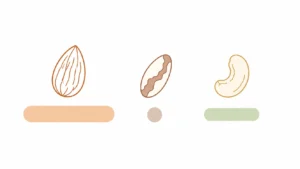
Almonds form the base of most ABC butter recipes because of their neutral flavor and high oil content, which helps the mixture blend smoothly. They’re a strong source of vitamin E, magnesium, and fiber.
Brazil nuts are included in the smallest quantity of the three, usually around 10–20% of the total nut mix. This is intentional: Brazil nuts are exceptionally high in selenium, and a small amount goes a long way toward meeting daily requirements. Their high fat content also helps loosen the texture of the finished butter.
Cashews round out the blend with their naturally buttery consistency. Because cashews are softer and lower in fiber than almonds, they help the finished spread feel silkier and less grainy than an almond-only butter.
How ABC Butter Compares to Other Nut Butters
Almond butter is made from a single nut and tends to have a firmer, slightly grainier texture than ABC butter unless it’s blended for a long time. It’s higher in vitamin E than ABC butter but doesn’t offer the same selenium boost.
Walnut butter, made purely from walnuts, has a more bitter, earthy flavor profile due to the tannins in walnut skins. It’s notably rich in plant-based omega-3 fatty acids (specifically alpha-linolenic acid), which neither almond nor cashew butter matches. Walnut butter uses tend to lean toward baking and dressings rather than straightforward spreading, since the flavor is more assertive.
Cashew butter alone is sweeter and creamier than ABC butter but lacks the mineral diversity that Brazil nuts and almonds bring to the blend.
In short, ABC butter functions as a middle ground: it doesn’t outperform any single-nut butter in one specific nutrient, but it spreads nutritional benefits — healthy fats, vitamin E, magnesium, and selenium — across a wider range than most single-nut alternatives.
How to Make ABC Butter at Home
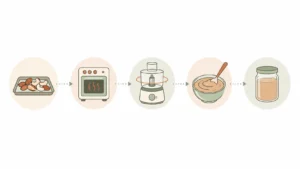
Making ABC butter requires no special equipment beyond a food processor or high-powered blender.
- Roast the nuts. Spread raw almonds, cashews, and Brazil nuts on a baking tray and roast at 160–170°C (320–340°F) for 8–10 minutes. Roasting is not optional for good texture — it softens the nut’s cell structure and releases oils that are otherwise locked in, which is what allows the butter to turn smooth rather than staying crumbly.
- Cool slightly. Let the nuts cool for a few minutes. Blending them piping hot can cause the oils to separate unevenly.
- Blend in stages. Process the nuts continuously, scraping down the sides every 1–2 minutes. The mixture will pass through a dry, sandy stage before it loosens into a paste — this typically takes 8–12 minutes total, depending on the processor’s strength.
- Adjust consistency. If the butter isn’t loosening, add a teaspoon of neutral oil, such as light olive oil, to help it along. Skipping this step in an underpowered blender often results in a butter that stays thick and dry.
- Season if desired. A pinch of salt is common; some versions include a touch of maple syrup or cinnamon, though the base recipe stays unsweetened and unsalted for versatility.
A maple turmeric cashew butter or a morena-style cashew and coconut butter can be made using this same base method, simply substituting or adding ingredients like turmeric, maple syrup, or shredded coconut at the blending stage.
Nutritional Profile and Health Benefits
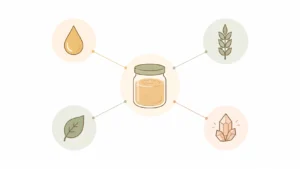
Is ABC butter good for you? In moderation, yes. A typical two-tablespoon serving provides a mix of monounsaturated and polyunsaturated fats, roughly 6–7 grams of plant protein, and meaningful amounts of magnesium, vitamin E, and selenium. The selenium content — largely from the Brazil nuts — is notable, since selenium plays a role in thyroid function and antioxidant activity, and many diets fall short of it.
Because ABC butter is calorie-dense (around 190–200 calories per two-tablespoon serving), portion size matters more than with lower-fat spreads. It’s best treated as a source of healthy fats and micronutrients rather than a low-calorie snack.
Creative Ways to Use ABC Butter
- Spread on wholegrain toast with sliced banana
- Stirred into oatmeal or overnight oats for extra creaminess
- Blended into smoothies for texture and staying power
- Used in place of peanut butter in baking, including cookies
- Whisked into salad dressings alongside citrus juice and a pinch of chili
- Swirled into yogurt bowls with fruit and seeds
Choosing Raw, Organic, and Store-Bought Versions
When buying rather than making ABC butter, a few distinctions matter. Raw versions skip the roasting step, resulting in a milder flavor and slightly different texture — some nutrients, like certain antioxidants, are marginally better preserved, though the difference is generally small. Organic versions guarantee the nuts were grown without synthetic pesticides or fertilizers, which matters more to some buyers than others but doesn’t meaningfully change the nutrition panel.
When reading labels, check the ingredient list first. A short list — ideally just the three nuts, and perhaps salt or oil — indicates a higher-quality product than one padded with added sugars, palm oil, or emulsifiers.
Storage and Shelf Life
Like most natural nut butters, ABC butter separates over time as the oils rise to the top. Stir it well before each use. Unopened jars typically keep at room temperature for several months, but once opened, refrigeration extends freshness and slows rancidity, particularly in warmer climates. Homemade batches, which lack the preservatives sometimes found in commercial versions, are best refrigerated and used within 4–6 weeks.
Conclusion
ABC butter offers a practical way to get the benefits of three different nuts in one spread, combining almonds’ vitamin E, cashews’ creamy texture, and Brazil nuts’ selenium into a single jar. It’s not dramatically different from almond or cashew butter in calories or fat content, but its blended nutrient profile makes it a reasonable rotation option alongside other nut butters like walnut or plain almond butter. Whether made at home with a food processor or bought pre-made, it works well as a source of healthy fats in a balanced diet, provided portion sizes stay in check.
FAQ
What is ABC butter? ABC butter is a spread made by blending almonds, Brazil nuts, and cashews into a smooth, creamy paste, usually after roasting.
Is ABC butter good for you? Yes, in moderation. It provides healthy fats, plant protein, and minerals like magnesium and selenium, though it is calorie-dense, so portion control matters.
How do you make ABC butter? Roast almonds, cashews, and Brazil nuts, then blend them in a food processor for 8–12 minutes until smooth, adjusting with a small amount of oil if needed.
Can dogs have ABC butter? Plain, unsalted, unsweetened ABC butter in very small amounts is generally tolerated by most dogs, but Brazil nuts are high in fat and selenium, and nut butters containing xylitol are toxic to dogs. Always check the ingredient label and consult a vet before offering any nut butter to a pet.
Is walnut butter good for you? Yes. Walnut butter is particularly rich in plant-based omega-3 fatty acids and offers a different nutritional strength than almond, cashew, or ABC butter.
Is almond butter the same as almond spread? The terms are often used interchangeably, though “almond spread” sometimes refers to blends that include added oils, sugar, or other ingredients, while “almond butter” more strictly implies a product made primarily or entirely from almonds.
Where can you buy almond butter? Almond butter is widely available at supermarkets, health food stores, and specialty grocers, typically in the nut butter or health food aisle.