Introduction
Che thai is a Vietnamese dessert drink built from layers of fruit, jelly, and sweetened coconut milk poured over crushed ice. Despite the name, it is not a Thai dish — the “thai” in che thai refers to a style of Vietnamese sweet soup (che) rather than the country of Thailand. It’s one of the most recognizable entries in the broader family of Vietnamese che desserts, prized for its mix of textures: chewy jelly cubes, tender fruit, and creamy coconut milk over ice.
Quick Summary
Che thai is a cold Vietnamese dessert made with a combination of fruits (commonly jackfruit, lychee, and longan), colorful jelly or agar cubes, sweetened condensed milk or coconut milk, and crushed ice. It’s typically served in a tall glass, eaten with a spoon, and enjoyed as a refreshing treat in warm weather. A basic version can be assembled at home in under 30 minutes using canned fruit and store-bought jelly, while restaurant versions often include a wider mix of fresh tropical fruit.
What Is Che Thai?
Che thai belongs to a category of Vietnamese sweet soups and drinks called “che,” which spans everything from warm bean-based desserts to cold, fruit-forward parfaits. Che thai in English is sometimes described as a “Thai-style Vietnamese fruit cocktail dessert” or “three-color-style fruit and jelly drink,” though there’s no single direct English translation — most English-language menus simply keep the Vietnamese name.
The dessert is thought to have developed as Vietnamese cooks adapted Thai-influenced fruit dessert styles, incorporating tropical fruits and jellies common in Southeast Asian cooking. The result is a dessert that sits at the intersection of a drink and a dish: thin enough to sip in parts, substantial enough to eat with a spoon.
Che Thai Ingredients
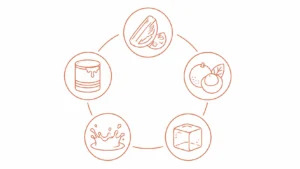
A traditional che thai recipe draws from a consistent set of building blocks, though proportions and specific fruits vary by region and household:
- Fruit: jackfruit, lychee, longan, and sometimes mango, palm seeds, or dragon fruit
- Jelly: colorful agar-agar or gelatin cubes, often red, green, or multicolored
- Liquid base: sweetened condensed milk, coconut milk, or a mix of both
- Ice: crushed or shaved ice, added just before serving
- Optional additions: basil seeds, tapioca pearls, or a small amount of pandan syrup for color and aroma
Longan — a small, translucent tropical fruit related to lychee — is one of the defining ingredients, contributing a mild floral sweetness that balances the richness of the coconut milk.
How to Make Che Thai (Simple Recipe)
This simple che thai recipe uses accessible ingredients and takes about 25–30 minutes, most of which is prep rather than cooking.
Ingredients (serves 2):
- 1 cup canned jackfruit, sliced
- ½ cup canned longan, drained
- ½ cup canned lychee, drained
- ½ cup colorful jelly cubes (agar or gelatin)
- 1 cup coconut milk
- 2–3 tablespoons sweetened condensed milk
- 2 cups crushed ice
Steps:
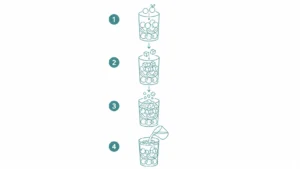
- Prepare the jelly cubes in advance by dissolving agar powder in water with sugar, setting it in a shallow dish, then cutting it into small cubes once firm.
- Layer the jackfruit, longan, and lychee into two tall glasses.
- Add a layer of jelly cubes on top of the fruit.
- Fill the glasses roughly two-thirds full with crushed ice.
- Mix the coconut milk with condensed milk, then pour it over the ice just before serving.
- Stir gently and serve immediately with a long spoon.
Skipping the crushed ice or adding the coconut milk too early causes the jelly to soften and the fruit to lose its distinct layers, so timing the assembly close to serving matters more than any single ingredient choice.
Che Thai Variations
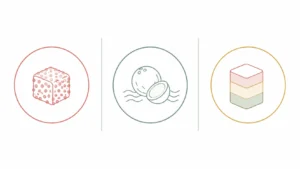
Because che is a flexible dessert category, che thai recipes differ from one Vietnamese household or restaurant to another:
- Red rubies che thai: incorporates water chestnuts coated in tapioca starch and dyed red, giving a chewy, ruby-like bite alongside the usual fruit and jelly.
- Coconut milk–forward versions: use coconut milk as the sole liquid base rather than blending it with condensed milk, producing a lighter, less sweet result.
- Three-color style: layers mung bean, red bean, or pandan jelly to mimic the visual layering of Vietnamese “che ba mau” (three-color dessert), then adds the che thai fruit mix on top.
- Vietnamese che dessert drinks: thinner, more liquid versions served with a straw rather than a spoon, popular in cafes.
Storage and Shelf Life

Che thai is best eaten fresh because the ice dilutes and the jelly texture changes once it sits. If you need to store components separately:
- Fruit and jelly (without ice or liquid) keep in an airtight container in the refrigerator for 2–3 days.
- Coconut milk mixture keeps separately for 2–3 days as well.
- Once assembled with ice, che thai should be eaten within 30–60 minutes, as the ice melts and the layers merge.
Freezing is not recommended, since it changes the texture of both the fruit and the jelly.
Nutrition and Calories
Che thai calories vary significantly depending on the ratio of condensed milk to coconut milk and the amount of fruit used. A typical single serving (roughly 1.5–2 cups) made with a blend of coconut milk and condensed milk generally falls in the range of 250–350 calories, most of which comes from sugar and coconut fat. Versions made with less condensed milk and more fresh fruit sit toward the lower end of that range, while restaurant portions with extra syrup or larger jelly quantities can run higher.
Where to Find Che Thai
Che thai is widely available at Vietnamese restaurants and dessert cafes, particularly in cities with established Vietnamese communities, including many neighborhoods in Chicago and other major metro areas with Vietnamese dessert shops. Searching for “che thai near me” typically surfaces Vietnamese sandwich shops, pho restaurants, and dedicated che/dessert cafes that list it under a “che” or “Vietnamese dessert” section of the menu, sometimes alongside related drinks like sinh to (Vietnamese smoothies) or the three-color dessert.
Conclusion
Che thai is a layered Vietnamese dessert that combines tropical fruit, chewy jelly, and coconut milk over crushed ice — a dish whose name refers to a style of Vietnamese sweet, not the country of Thailand. Its appeal comes from contrast: cold ice against creamy milk, chewy jelly against soft fruit. Whether made simply at home with canned fruit or ordered from a Vietnamese dessert cafe with fresh ingredients, che thai remains a flexible, refreshing entry point into the wider world of Vietnamese che desserts.
FAQ
What does che thai mean in English?
There’s no exact English equivalent; it roughly translates to “Thai-style Vietnamese sweet dessert,” referring to a preparation style rather than Thai cuisine itself.
Is che thai the same as Thai dessert?
No. Che thai is a Vietnamese dessert; the name reflects a stylistic influence, not the dish’s country of origin.
What is the difference between che thai and che ba mau?
Che ba mau (“three-color dessert”) layers beans, jelly, and coconut milk in distinct colored bands, while che thai focuses more on whole tropical fruits like jackfruit, longan, and lychee.
How long does che thai last in the fridge?
Assembled che thai with ice is best eaten within an hour; unassembled fruit, jelly, and milk components keep separately for 2–3 days refrigerated.
Can che thai be made without coconut milk?
Yes — some versions use only sweetened condensed milk and water, though coconut milk adds a richer, more traditional flavor.