Introduction
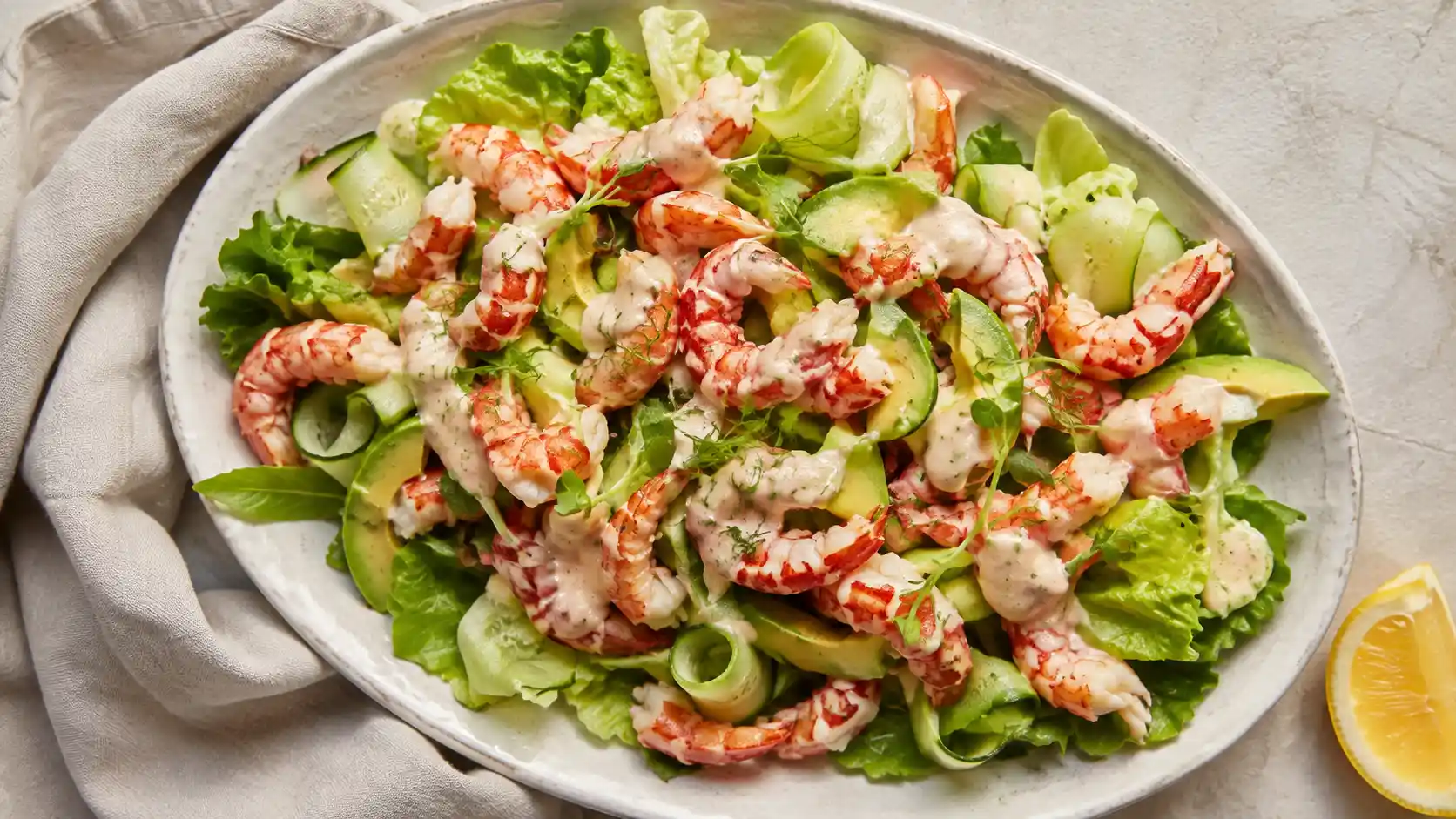
A crayfish salad is one of the simplest ways to turn a small amount of premium seafood into a dish that feels celebratory. At its core, it pairs sweet, delicate crayfish tail meat with a creamy or citrus-based dressing and crisp vegetables, making it a popular starter for summer entertaining, festive lunches, and light main courses. Because crayfish (also called yabby, crawfish, or in some markets marketed alongside rock lobster) has a naturally sweet flavor and firm texture, it needs very little manipulation to shine. This guide covers how to select and prepare crayfish, build a balanced dressing, assemble a foolproof base recipe, and adapt the dish across regional styles found in Australia, New Zealand, South Africa, and the UK.
Quick Summary
- Crayfish salad combines cooked, chilled crayfish tail meat with a dressing (usually mayonnaise-based) and crunchy vegetables like lettuce, cucumber, and avocado.
- The dressing typically balances richness (mayonnaise or crème fraîche) with acidity (lemon juice) and a touch of sweetness or heat (paprika, cayenne, or Marie Rose–style sauce).
- Regional versions vary: Australian and New Zealand recipes often lean tropical with mango or avocado; South African versions frequently use a Marie Rose–style dressing; UK recipes (in the style of BBC Good Food) favor classic, understated preparations.
- The dish can be made ahead, but is best assembled just before serving to preserve texture.
What Is a Crayfish Salad?
Crayfish salad refers to a cold seafood dish built around cooked crayfish tail meat, most often the freshwater or saltwater crustacean known regionally as yabby, marron, or rock lobster. The meat is typically poached, chilled, then tossed or layered with a dressing and vegetables. Unlike hot seafood dishes, crayfish salad relies on freshness and proper chilling to develop its flavor, since the sweetness of the meat is the dish’s central feature rather than something masked by heavy seasoning.
The texture of crayfish is denser and slightly firmer than shrimp, which is why it holds up well in salads without becoming mushy. This structural difference matters when building a recipe: crayfish can be cut into larger chunks or left whole as tail medallions, whereas smaller seafood tends to need finer dicing.
Choosing and Preparing Crayfish

Fresh or frozen crayfish tails both work well, provided they are properly thawed and drained before use. Excess moisture is the most common reason a crayfish salad turns watery, since residual liquid dilutes the dressing and softens the vegetables. Patting the tail meat dry with paper towel after cooking or thawing addresses this directly.
If starting from whole crayfish, they should be boiled or steamed until the shells turn bright red and the flesh turns opaque, then cooled quickly in iced water to halt cooking and preserve firmness. Overcooking is the second most common issue, as it causes the meat to become rubbery and lose its natural sweetness. Once cooled, the tail meat should be removed from the shell, deveined if necessary, and cut into bite-sized pieces or left as whole medallions depending on presentation.
The Classic Crayfish Salad Dressing

The dressing is what defines the character of a crayfish salad, and most recipes fall into one of two families: mayonnaise-based or vinaigrette-based.
A traditional crayfish salad dressing is built on mayonnaise, lightened with a squeeze of lemon juice to cut through the richness, and seasoned with salt, black pepper, and a small amount of cayenne or smoked paprika for warmth. Some versions add a spoonful of tomato ketchup or Worcestershire sauce, moving the dressing closer to a Marie Rose sauce, which is common in British and South African preparations. This addition introduces a subtle sweetness and tang that complements the crayfish’s natural flavor rather than overpowering it.
For a lighter alternative, a vinaigrette-style dressing using olive oil, lemon or lime juice, and Dijon mustard produces a fresher, less heavy salad, better suited to warm climates. This style appears frequently in Australian and New Zealand recipes, where the salad often functions as a light lunch or barbecue side rather than a rich appetizer.
Simple Crayfish Salad Recipe with Mayonnaise
This base recipe produces a straightforward, classic crayfish salad that can be adapted with the regional variations below.
Ingredients (serves 4):
- 400g cooked crayfish tail meat, chilled and drained
- 3 tablespoons good-quality mayonnaise
- 1 tablespoon lemon juice
- ½ teaspoon smoked paprika
- Salt and black pepper to taste
- 2 cups mixed lettuce leaves
- ½ cucumber, thinly sliced
- 1 avocado, sliced
Method:
- In a bowl, combine the mayonnaise, lemon juice, paprika, salt, and pepper, whisking until smooth.
- Gently fold in the crayfish tail meat, taking care not to break up the pieces.
- Arrange the lettuce, cucumber, and avocado on a serving plate.
- Spoon the dressed crayfish over the top and serve immediately.
This method works because folding, rather than stirring vigorously, keeps the crayfish pieces intact, preserving both texture and visual appeal.
Regional Variations

Australia and New Zealand: Recipes from these regions frequently swap heavier mayonnaise dressings for lighter combinations involving avocado, lime, and fresh herbs like coriander or dill. Given the warmer climate and abundance of local crayfish (often called yabbies or bay lobster), the salad tends to function as a refreshing summer dish rather than a rich starter.
South Africa: South African crayfish salad recipes commonly use a Marie Rose–style dressing, incorporating mayonnaise, ketchup, and a dash of brandy or Worcestershire sauce, reflecting British culinary influence. Crayfish here is often paired with citrus segments to balance the richness.
United Kingdom (BBC Good Food style): UK-style recipes tend toward simplicity, favoring a clean mayonnaise-lemon dressing with minimal additional flavors, allowing the crayfish’s natural taste to remain the focus. These versions are often served with brown bread or as part of a composed salad plate.
Creative Variations: Mango, Pasta, and Prawn Additions
Mango and crayfish salad: Adding diced ripe mango introduces a natural sweetness that pairs well with the savory crayfish and a lime-based dressing. This combination works because the tropical fruit’s acidity and sugar balance the richness of any mayonnaise used, a technique also seen in retail versions like those sold by M&S.
Crayfish pasta salad: Substituting or supplementing lettuce with cooled short pasta, such as fusilli or penne, turns the dish into a heartier meal suitable for packed lunches or potlucks. A slightly more acidic dressing helps prevent the pasta from tasting heavy.
Crayfish and prawn salad: Combining crayfish with cooked prawns increases the seafood volume without significantly changing the preparation method, since both proteins are cooked and chilled the same way. This combination is popular for larger gatherings where a single seafood type may not stretch far enough.
Storage and Make-Ahead Tips

The dressing and vegetables can be prepared up to a day in advance and stored separately in the refrigerator. However, the crayfish should only be combined with the dressing shortly before serving, since prolonged contact with acidic or salted dressing can affect the texture of the meat, making it slightly mushy over time. Any assembled salad should be consumed within 24 hours and kept refrigerated at all times, as seafood salads are highly perishable.
Conclusion
Crayfish salad is a versatile dish that adapts easily to different climates, occasions, and personal taste, whether kept classic with a mayonnaise-lemon dressing or brightened with mango, pasta, or extra seafood. The keys to success are gentle handling of the crayfish meat, a well-balanced dressing, and assembling the dish close to serving time to preserve its signature texture and freshness.
FAQ
Can I use frozen crayfish for this recipe?
Yes, as long as it is fully thawed and patted dry before use to prevent excess moisture in the salad.
What can I substitute for crayfish if it’s unavailable?
Cooked prawns or lobster meat make suitable substitutes, since both share a similar firm texture and mild sweetness.
Is crayfish salad healthy?
It can be a healthy option when made with a lighter, yogurt- or olive oil–based dressing instead of full-fat mayonnaise, and paired with plenty of fresh vegetables.
How long does crayfish salad keep in the fridge?
It is best eaten within 24 hours of assembly and should always be stored chilled due to the perishable nature of seafood.