Introduction
Date loaf is a dense, naturally sweetened tea loaf built around softened dates, and it has held a steady place in home baking for generations because it needs no special skill, no hard-to-find ingredients, and very little active preparation time. Unlike a light sponge, date loaf is meant to be moist and close-textured, almost fudgy in the center, which is exactly what makes it forgiving for beginner bakers. This article breaks down what date loaf actually is, why each ingredient behaves the way it does, and how small changes to method or ingredients shift the final texture — so the recipe works reliably whether it’s your first loaf or your fiftieth.
Quick Summary
Date loaf is a bicarbonate-leavened tea loaf made by soaking chopped dates in hot liquid to soften and partially dissolve them, then folding that mixture into a simple batter of flour, sugar, egg, and fat before baking low and slow in a loaf tin. The soaking step is what separates a super-moist date loaf from a dry, crumbly one, and swapping butter for oil, adding walnuts, or using banana alongside the dates are the most common variations bakers reach for.
What Is Date Loaf?
At its core, date loaf is a quick bread rather than a yeasted bread — it rises from baking soda reacting with the acidity in the date mixture, not from proofing. This places it in the same family as banana bread and zucchini loaf: mix wet and dry ingredients separately, combine them briefly, and bake. The dates aren’t just a flavoring; they function as the primary source of both sweetness and moisture, which is why traditional recipes use relatively little added sugar compared to other cakes. Community and heritage baking groups — the kind of recipe passed down through local cookbooks and family collections — have kept fairly consistent proportions of dates to flour for decades, which is part of why “old-fashioned” versions taste remarkably similar across different sources.
Key Ingredients and Why They Matter
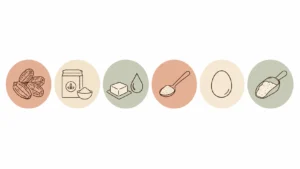
- Dates: Pitted, chopped dried dates are soaked in hot water, tea, or milk to soften. This softening step breaks down the fruit’s structure so it partially melts into the batter, creating pockets of concentrated sweetness rather than dry, chewy fruit bits.
- Baking soda (bicarbonate of soda): Added directly to the hot date mixture, not the flour. The heat and moisture activate it early, and it reacts with the natural acidity of the dates to produce carbon dioxide, giving the loaf lift without eggs doing all the work.
- Fat — butter or oil: Butter contributes flavor and a slightly firmer crumb once cooled, while oil stays liquid at room temperature and produces a noticeably more moist, tender crumb that keeps well for longer. This is the main reason oil-based versions are marketed specifically as “super-moist.”
- Sugar: Because dates already supply substantial sweetness, most recipes use brown sugar in smaller quantities than a standard cake — enough to round out the flavor and support browning, not to sweeten from scratch.
- Egg: Binds the batter and adds structure so the loaf holds together once the dense date mixture is folded through.
- Flour: Plain (all-purpose) flour is standard; it provides just enough structure to support the wet date mixture without making the crumb cakey or light.
Old-Fashioned vs. Super-Moist Methods
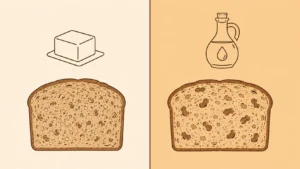
The classic, old-fashioned method uses butter, boiling water, and a straightforward fold-and-bake process, producing a loaf that’s moist but firms up slightly as it cools — ideal for slicing thinly and spreading with butter. The super-moist method, popularised more recently and closely associated with oil-based versions, replaces some or all of the butter with a neutral oil and often adds an extra egg or a spoonful of golden syrup or treacle. Oil coats flour proteins more thoroughly than solid butter does, which limits gluten development and keeps the crumb noticeably softer for several days after baking — the defining trait bakers are chasing when they specifically search out a “super-moist” version.
Step-by-Step Method

- Soak the dates: Combine chopped dates with boiling water (or tea, for extra depth) and baking soda in a bowl. Let it sit for 10–15 minutes until softened and slightly foamy.
- Cream or whisk the wet base: Beat butter and sugar until light, or whisk oil, sugar, and egg together if using the super-moist method.
- Combine: Fold the cooled date mixture into the wet base, then fold in sifted flour just until no dry streaks remain. Overmixing at this stage develops gluten and toughens the loaf, so stop as soon as it’s combined.
- Pour and bake: Transfer the batter to a greased and lined loaf tin. Bake at a moderate oven temperature (around 160–170°C / 320–340°F) for 45–55 minutes, since a lower, slower bake prevents the dense date-heavy center from staying raw while the outside overbakes.
- Test and cool: A skewer inserted in the center should come out with a few moist crumbs, not wet batter. Cool in the tin for 10 minutes before turning out onto a rack, which lets the structure set enough to avoid the loaf breaking apart.
Popular Variations
- Walnut date loaf: Chopped walnuts folded in with the flour add texture contrast and a mild bitterness that balances the concentrated sweetness of the dates.
- Date and banana loaf: Mashed ripe banana replaces some of the liquid and fat, adding extra moisture and a milder, more rounded flavor.
- Date and ginger loaf: Ground or crystallized ginger adds warmth and a slight spice note that pairs naturally with the caramel-like flavor of dates.
- Gluten-free date loaf: A 1:1 gluten-free flour blend with xanthan gum can generally substitute for plain flour, though the crumb tends to be slightly denser and more delicate to slice.
- Healthy date loaf: Reducing added sugar further, using wholemeal flour, and relying on the dates’ natural sweetness produces a lower-sugar version without sacrificing moisture, since the fruit itself does most of the sweetening work.
Choosing and Preparing Your Loaf Tin
A standard rectangular loaf tin (roughly 21 x 11 cm, or the equivalent 9 x 5 inch size) suits most date loaf recipes and produces the classic sliceable shape. Some bakers use a round cake tin or a dedicated round loaf tin for a more traditional presentation, which generally needs a slightly shorter bake time since the batter sits shallower. Whatever tin is used, lining the base and sides with baking paper is worth the extra minute of effort, since the sugar content in date loaf makes it more prone to sticking than a plain sponge.
Storage and Shelf Life
Date loaf keeps well because of its high moisture content — wrapped tightly in plastic wrap or stored in an airtight container at room temperature, it stays fresh for up to five days, and the flavor often improves slightly after a day as the spices and dates settle into the crumb. It also freezes well for up to three months; slicing before freezing makes it easy to thaw individual portions.
Troubleshooting Common Problems
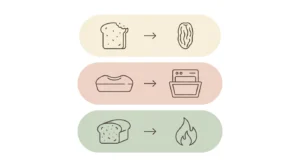
A dry or crumbly loaf usually means the dates weren’t soaked long enough to soften fully, or too much flour was added. A sunken center often points to underbaking or opening the oven door too early, which lets the structure collapse before it sets. A loaf that’s gummy in the middle despite a cooked-looking exterior typically needs a lower oven temperature and longer bake time, since dense date batters cook unevenly at high heat.
Conclusion
Date loaf earns its lasting popularity by being simple to make and difficult to get wrong once the core logic is understood: soften the dates properly, don’t overmix the batter, and bake low and slow. From there, the recipe adapts easily — swap in oil for extra moisture, add walnuts or ginger for texture and warmth, or scale back the sugar for a lighter everyday version — while the fundamental method stays the same loaf that’s been passed between kitchens for decades.
FAQ
What makes a date loaf “super-moist”? Using oil instead of butter, thoroughly softening the dates before mixing, and avoiding overbaking are the three biggest factors in a consistently moist crumb.
Can I make date loaf without eggs? Yes — a flax egg or extra mashed banana can generally replace the egg, since the dates and fat already provide much of the binding and moisture.
Why do you add baking soda to the dates instead of the flour? Adding it directly to the hot, acidic date mixture activates the reaction early and more evenly, giving a better rise than mixing it into dry flour alone.
Can date loaf be made gluten-free? Yes, using a 1:1 gluten-free flour blend, though the texture will be slightly denser and more delicate when slicing.
How do I stop date loaf from sticking to the tin? Grease the tin and line the base and sides with baking paper, since the natural sugars in dates make the batter more prone to sticking than a standard cake.