Introduction
A French martini is a shaken cocktail built from vodka, Chambord, and pineapple juice, known for its fruity aroma, pale pink color, and thick, frothy top. Despite the name, it isn’t a true martini in the classic gin-and-vermouth sense — it belongs to the broader category of vodka-based shaken cocktails that adopted “martini” as a stylistic label rather than a technical one. This guide covers a traditional French martini recipe, exact measurements, batching for groups, a frozen variation, and the most common mistakes that affect texture and flavor.
Quick Summary
- Base spirit: vodka
- Key flavoring: Chambord (raspberry liqueur)
- Mixer: pineapple juice
- Method: shaken, not stirred
- Serving glass: chilled martini or coupe glass
- Yield: 1 serving (easily scaled for batches)
What Is a French Martini?
A French martini is a modern cocktail, generally credited to New York bartender Keith McNally in the 1980s, built around vodka, Chambord, and pineapple juice. It gets its name and “martini” styling from being served in a stemmed martini glass rather than from any relation to a traditional gin martini. What defines it as a French martini specifically is the combination of raspberry liqueur and pineapple juice; substituting either ingredient produces a different drink, even if it’s still vodka-based and served in the same glass.
Ingredients for a Classic French Martini
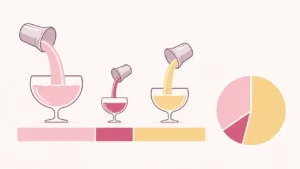
A traditional French martini recipe uses a simple three-ingredient ratio, which is part of why it’s popular as an easy-to-remember cocktail for home bartenders.
For one serving:
- 45ml (1.5 oz) vodka
- 15ml (0.5 oz) Chambord
- 60ml (2 oz) pineapple juice
- Ice, for shaking
- Optional garnish: 3 raspberries or a pineapple wedge on the rim
This ratio — roughly 3 parts vodka, 1 part Chambord, 4 parts pineapple juice — balances the raspberry liqueur’s sweetness against the acidity of the pineapple juice, so no measurement should be increased in isolation. Adding more Chambord without adjusting the pineapple juice makes the drink cloyingly sweet, while more pineapple juice alone dilutes the raspberry flavor that defines the cocktail.
Step-by-Step French Martini Recipe
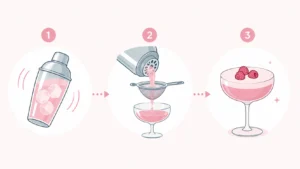
- Chill the glass. Place a martini or coupe glass in the freezer for 10–15 minutes, or fill it with ice water while preparing the drink. A cold glass slows dilution and keeps the drink cold longer after straining.
- Add ingredients to a shaker. Combine vodka, Chambord, and pineapple juice in a cocktail shaker filled with ice.
- Shake hard. Shake vigorously for 12–15 seconds. Pineapple juice needs a longer, harder shake than clear-spirit cocktails because the juice’s natural proteins need to be agitated enough to create the characteristic frothy foam on top.
- Double strain. Strain through both the shaker’s built-in strainer and a fine mesh strainer into the chilled glass. Double straining removes small ice shards and pulp from the pineapple juice, giving a smoother finish.
- Garnish and serve. Float 2–3 raspberries on the surface or perch a pineapple wedge on the rim, then serve immediately while the foam is intact.
How to Make It in Batches or for a Crowd
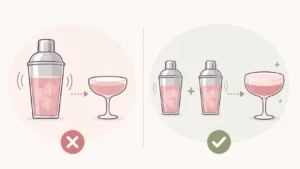
A batch French martini recipe multiplies the same ratio rather than changing it. For a batch serving four, combine 180ml vodka, 60ml Chambord, and 240ml pineapple juice in a large shaker or pitcher with plenty of ice, then shake or stir vigorously in smaller portions before straining into individual glasses. Batching in one very large shaker rather than smaller portions tends to under-agitate the mixture, producing less foam per glass — shaking in batches of two servings at a time preserves the frothy texture better than one oversized batch.
Frozen French Martini Variation
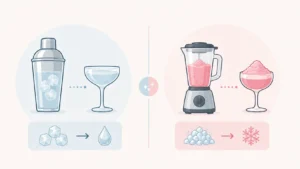
A frozen French martini recipe swaps shaking for blending, using the same three ingredients with added ice blended until slushy. This works well in a countertop blender or a slushie-style machine, which some home bartenders use specifically for batch-frozen cocktails. Because blending incorporates more air and ice than shaking, a frozen version typically needs slightly less pineapple juice than the shaken ratio to avoid becoming watery once the ice melts — reducing the juice by about 15ml per serving helps maintain the right balance.
Common Mistakes to Avoid
- Shaking too briefly: a short shake fails to develop the signature foam, leaving the drink flat-looking rather than frothy.
- Skipping the double strain: pineapple juice pulp and small ice shards make the texture gritty rather than smooth.
- Overpouring Chambord: too much raspberry liqueur relative to pineapple juice makes the drink overly sweet and unbalanced.
- Using warm glassware: a room-temperature glass accelerates dilution and shortens how long the drink stays cold.
Conclusion
A French martini comes down to a simple, fixed ratio of vodka, Chambord, and pineapple juice, shaken hard enough to develop its signature foam and strained smooth. Whether making a single simple French martini for one or a batch for four, the balance between the liqueur’s sweetness and the juice’s acidity is what separates a well-made version from an overly sweet one, and that balance matters more than any garnish or glassware choice.
FAQ
What’s in a French martini?
A French martini contains vodka, Chambord (raspberry liqueur), and pineapple juice, shaken with ice and strained into a martini glass.
Is a French martini the same as a regular martini?
No — a French martini is vodka-based with raspberry liqueur and pineapple juice, while a traditional martini is made with gin or vodka and dry vermouth. They share only the glass style and name.
Can I make a French martini without Chambord?
Chambord is what defines the flavor profile, so substituting another raspberry liqueur will change the taste, and using a different fruit liqueur entirely produces a different cocktail rather than a French martini.
How do I scale a French martini recipe for a group?
Multiply each ingredient by the number of servings needed, but shake in smaller batches of two servings at a time rather than one large batch, to keep the foam texture consistent.