Introduction
Pea and pancetta soup is a savory, protein-rich soup built on the natural sweetness of peas and the smoky, salty depth of cured pork. It sits at the intersection of British comfort food and Italian farmhouse cooking, which is why so many versions—from BBC Good Food-style bowls to Sicilian split pea soups—share the same backbone: peas, alliums, stock, and a cured meat for savor. Whether made with fresh peas in spring, frozen peas year-round, or dried split peas simmered low and slow, this soup rewards a few key techniques more than a long ingredient list.
Quick Summary
Pea and pancetta soup combines peas (fresh, frozen, or dried split peas), diced pancetta, aromatics like onion and garlic, and stock, simmered until the peas soften and the flavors meld. Pancetta is rendered first to build a savory fat base, then peas and stock are added and cooked until tender. The soup can be blended smooth for a cream-of-pea texture or left chunky. Ham or bacon can substitute for pancetta, and a slow cooker adapts well to the dried split pea version.
What Is Pea and Pancetta Soup
Pea and pancetta soup belongs to a family of legume-and-cured-pork soups found across European cuisines. In Britain, it often appears as a bright green, blended soup made with frozen peas and diced pancetta or bacon, finished with mint. In Italy, particularly in Sicily, the tradition leans toward dried split peas simmered for a long time with pancetta, onion, celery, and sometimes tomato, producing a thicker, more rustic soup closer to a legume stew. Both versions share the same principle: the fat rendered from the pancetta seasons the entire pot, so the soup tastes rich even though the ingredient list is short.
Key Ingredients and Why Each One Matters
- Peas: Fresh peas give the brightest flavor but are seasonal. Frozen peas are picked and flash-frozen at peak ripeness, so they retain sweetness and color reliably year-round, making them the most practical choice for a pea and mint soup. Dried split peas behave differently—they need longer cooking and break down into a thick, starchy texture rather than staying whole.
- Pancetta: An Italian cured pork belly, pancetta is unsmoked and seasoned with salt and spices, which gives it a cleaner, more concentrated pork flavor than smoked bacon. Dicing it small and rendering it slowly releases fat that becomes the cooking medium for the aromatics, so nothing here is wasted.
- Aromatics: Onion, garlic, and sometimes celery or leek are sautéed in the rendered pancetta fat. This step, rather than the stock itself, is where most of the soup’s savory base is built.
- Stock: Chicken or vegetable stock forms the liquid base. A well-seasoned stock reduces the need for extra salt, since pancetta is already salty.
- Mint: Common in pea and mint soup, fresh mint added at the end (not cooked for long) keeps its aroma from turning muddy or bitter.
- Cream (optional): A splash of cream, as in cream of pea and pancetta soup, softens the soup’s edges and rounds out the pancetta’s saltiness, though it isn’t essential for a good result.
Step-by-Step Method
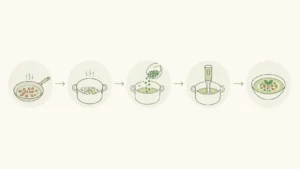
- Render the pancetta. Dice it small and cook it in a dry pot over medium heat until the fat runs clear and the pieces turn golden. This step is what gives the soup its depth; skipping it and adding raw pancetta later results in a flatter, less savory soup.
- Sauté the aromatics. Add chopped onion and garlic to the rendered fat and cook until soft, scraping up any browned bits from the pancetta, which carry flavor that would otherwise be lost.
- Add the peas and stock. Pour in the stock and add the peas. Fresh or frozen peas need only 5–8 minutes to become tender; dried split peas need 45–60 minutes of simmering, sometimes longer if unsoaked.
- Blend or leave chunky. For a smooth, cream-of-pea style soup, blend until silky. For a more rustic, Italian split-pea style, mash lightly or leave whole.
- Finish and season. Stir in mint, a knob of butter, or a splash of cream if using, then taste before adding salt, since pancetta already contributes a strong salty note.
Slow Cooker Method
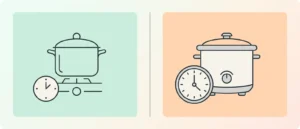
A slow cooker works especially well for dried split pea and pancetta soup, since the long, low heat gives the split peas time to fully soften without scorching. Render the pancetta and sauté the aromatics on the stovetop first—this step doesn’t happen effectively in a slow cooker because it needs direct, high heat to brown properly. Transfer everything to the slow cooker with the split peas and stock, then cook on low for 6–8 hours or on high for 3–4 hours, until the peas have broken down into a thick, spoonable soup. Frozen peas are not well suited to slow cooking, since their delicate texture turns mushy and grey over long cook times; they’re better added fresh at the very end if a slow cooker is used for the base.
Sicilian and Italian Split Pea Soup Variations
Sicilian and broader Italian split pea soup recipes typically use dried yellow or green split peas rather than fresh green peas, simmered for a long time with pancetta, soffritto (onion, carrot, celery), and sometimes a piece of Parmesan rind added to the pot for extra savoriness. Some versions include a small amount of tomato paste or passata, which adds acidity to balance the richness of the pork fat. Unlike the bright, blended British-style pea soup, the Italian version is usually left thick and textured, closer to a peasant-style legume soup than a smooth purée, and is often served with a drizzle of good olive oil and crusty bread rather than cream.
Pea and Mint Soup with Frozen Peas
Frozen peas are the standard choice for pea and mint soup because they cook in minutes and hold their bright green color, which dulls quickly if peas are overcooked. The method is simple: sauté onion (and pancetta, if using) in butter or the rendered fat, add stock and frozen peas, simmer just until the peas are tender, then blend with a handful of fresh mint leaves added at the very end. Adding mint too early, or cooking it, causes it to lose its fresh aroma and can turn the soup slightly bitter, which is why it’s stirred in off the heat or blended in only briefly.
Substituting Pancetta with Ham or Bacon
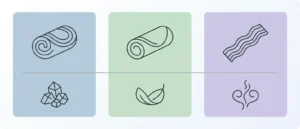
Ham and bacon are the two most common substitutes for pancetta in this soup, and each changes the result differently. Diced cooked ham, as used in pea and ham soup, is milder and less fatty than pancetta, so it’s typically added toward the end of cooking rather than rendered at the start, and a little extra butter or oil may be needed to replace the fat pancetta would have contributed. Bacon, especially smoked bacon, brings a smokier flavor than pancetta’s clean, salty profile, which shifts the soup’s character noticeably; it can be rendered the same way pancetta is, since it behaves similarly in the pan. For a quick and easy pea and ham soup, using leftover ham (such as a ham hock or holiday ham) alongside its cooking stock can replace both the meat and the stock in one step, deepening the flavor with very little extra effort.
Texture, Storage, and Reheating
Blended pea soups can thicken considerably once chilled, since the starch in the peas continues to set; adding a splash of stock or water when reheating restores the original consistency. Split pea versions thicken even further and may need diluting the next day. The soup keeps well in the refrigerator for up to four days in a sealed container, and it freezes well for up to three months, though soups with cream are best frozen before the cream is added, since dairy can separate on thawing. Reheat gently over low heat, stirring often, rather than boiling hard, which can cause a blended soup to split or turn grainy.
Conclusion
Pea and pancetta soup is flexible enough to suit a five-minute weeknight version with frozen peas, or a slow-simmered Sicilian-style pot of split peas built over an afternoon. The technique that ties every variation together is rendering the pancetta (or its substitute) first, so its fat seasons the aromatics and the whole pot benefits. From there, the choice of fresh, frozen, or dried peas, a stovetop or slow cooker, and pancetta, ham, or bacon simply shifts the soup toward a brighter British-style bowl or a heartier Italian one.
FAQ
Can I make pea and pancetta soup without a blender? Yes. Leave the peas whole or lightly mash them with a spoon or potato masher for a chunkier, more rustic texture, which is traditional in many Italian split pea versions.
Do I need to soak split peas before making the soup? Soaking isn’t strictly necessary, but it shortens cooking time. Unsoaked split peas typically need 45–60 minutes of simmering, while soaked peas can cook in 30–40 minutes.
Can I use smoked bacon instead of pancetta? Yes, though it will give the soup a smokier flavor rather than pancetta’s cleaner, saltier profile. Render it the same way you would pancetta.
Why did my pea soup turn a dull, grayish green? This usually happens from overcooking the peas or reheating the soup at too high a heat. Cooking peas just until tender and reheating gently helps preserve their bright color.
Is pea and pancetta soup suitable for freezing? Yes, it freezes well for up to three months. If the recipe includes cream, it’s best to add the cream after thawing and reheating rather than before freezing.