Introduction
Pizza scones sit at the crossroads of two familiar bakes: the tender, buttery structure of a savoury scone and the bold, cheesy flavor of pizza. Instead of yeasted pizza dough that needs proofing time, pizza scones use a quick scone base — flour, cold fat, baking powder, and liquid — mixed with tomato, cheese, and Italian-style seasonings, then baked into individual wedges or rounds. The result is a handheld, oven-ready snack that takes under 30 minutes from mixing bowl to table, with none of the waiting that traditional pizza dough requires.
Quick Summary
Pizza scones are a savoury scone made with pizza-inspired mix-ins — usually tomato paste or pizza sauce, mozzarella or cheddar, and dried herbs like oregano and basil — plus optional pepperoni. They’re built like classic cheese scones: cold butter rubbed into flour, a self-raising or baking-powder-leavened base, and a short, minimal-handling mix. Baked at a high temperature (around 200–220°C / 400–425°F) for 15–20 minutes, they puff and brown quickly. They can be shaped as wedges, rounds, or rolled into a pinwheel and sliced into scroll-style pieces.
What Are Pizza Scones?
A pizza scone is a savoury scone that borrows its flavor profile from pizza rather than its dough-making method. Traditional pizza relies on yeast fermentation to build structure and chew over hours. A scone, by contrast, is a quick bread — it relies on baking powder or baking soda for lift and is mixed and baked within minutes. Folding pizza-style ingredients (tomato, cheese, herbs, cured meats) into that quick-bread base is what defines a pizza scone.
This distinction matters for texture: pizza scones are crumbly and tender like a biscuit, not chewy and elastic like pizza crust. People searching for “pizza scrolls” or a “scone base for pizza” are usually looking for this same category — a faster, no-yeast alternative to traditional pizza that still delivers tomato-and-cheese flavor.
Core Ingredients and What They Do
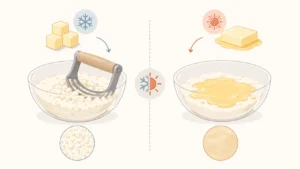
- Flour — Plain (all-purpose) flour combined with baking powder is standard; self-raising flour can replace both if the recipe is adjusted for salt. A higher-protein flour makes a slightly chewier scone, while a soft cake flour makes a more delicate crumb.
- Cold butter — Butter that’s cold and cut into small pieces, then rubbed into the flour until it resembles breadcrumbs, is what creates the characteristic flaky, layered texture. Warm or melted butter produces a denser, greasier scone because it coats the flour instead of creating separate fat pockets that steam and puff in the oven.
- Cheese — Cheddar, mozzarella, or a blend adds savoury depth and helps bind the dough. Mozzarella melts stringier but adds less direct flavor than a sharp cheddar, so many recipes combine both.
- Tomato element — Tomato paste, sun-dried tomato, or a thick pizza sauce provides the “pizza” flavor base. Using a very wet sauce can make the dough sticky, so thicker pastes are generally easier to work with.
- Herbs and aromatics — Dried oregano, basil, garlic powder, and a pinch of chili flake mimic classic pizza seasoning.
- Liquid (milk or buttermilk) — Buttermilk’s acidity reacts with baking soda for extra lift and adds a slight tang that balances the richness of the cheese.
- Optional pepperoni — Small diced pepperoni pieces fold into the dough or top the scone before baking, giving pepperoni pizza scones their signature savoury, slightly spiced bite.
How to Make Pizza Scones (Step-by-Step)
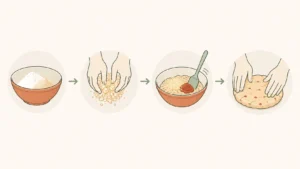
- Preheat the oven to around 200–220°C (400–425°F) and line a baking tray.
- Combine dry ingredients: flour, baking powder, and a pinch of salt.
- Rub in cold butter using fingertips or a pastry cutter until the mixture looks like coarse crumbs. Keeping the butter cold prevents the dough from becoming greasy and helps it rise properly in the oven.
- Add cheese, herbs, and any diced pepperoni, tossing so they’re evenly distributed before liquid is added.
- Stir in the tomato element and milk or buttermilk, mixing only until the dough just comes together. Overmixing develops gluten, which makes scones tough and dense instead of light and crumbly.
- Shape the dough — pat it into a round about 2–3 cm thick and cut into wedges, or use a cutter for individual rounds.
- Top and bake — brush with a little milk or egg wash, add extra cheese on top if desired, and bake for 15–20 minutes until golden and well risen.
- Cool briefly before serving, since the cheese and any sauce inside will be very hot straight from the oven.
Pepperoni Pizza Scones Variation
Pepperoni pizza scones fold diced pepperoni directly into the dough alongside the cheese, then usually add a few extra slices on top before baking so they crisp slightly at the edges. Because pepperoni releases fat as it bakes, using slightly less butter than a standard cheese scone recipe helps prevent the finished scone from becoming greasy.
Pinwheel and Scroll-Style Pizza Scones
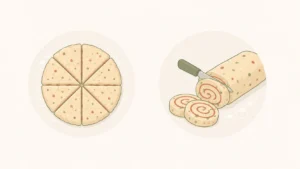
Rather than cutting the dough into wedges, some bakers roll it flat, spread it with tomato sauce and cheese, then roll it into a log and slice it into rounds — this produces what’s often called pizza scrolls or pinwheel pizza scones. This method spreads the filling evenly through every bite rather than concentrating it in the center, and it also makes for a more visually distinct, spiral-cut presentation than a plain wedge.
Choosing Flour, Dough Texture, and Fat
The ratio of fat to flour is what separates a scone from a biscuit or a pizza dough. Traditional pizza dough is a lean dough with little to no fat, relying on yeast and gluten development for its chew. Scone dough, including pizza scone dough, is enriched with fat and deliberately under-mixed to limit gluten development — that’s why a “scone base for pizza” behaves so differently from real pizza dough: it’s tender and crumbly rather than stretchy and chewy. If a lighter texture is the goal, using cold, grated butter instead of cubed butter can speed up incorporation without warming the fat through excess handling.
Baking Temperature, Time, and Doneness
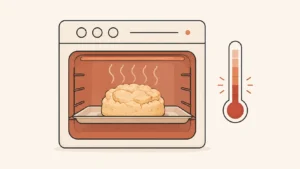
Most pizza scone recipes bake at a high temperature — roughly 200–220°C (400–425°F) — because a hot oven creates rapid steam from the butter and liquid in the dough, which drives the initial rise before the structure sets. Baking at a lower temperature slows that steam release, which can result in a flatter, less risen scone. Doneness is best judged by color and sound: a golden top and a hollow sound when the base is tapped both indicate the scone is fully cooked through, since cheese and tomato fillings can make the surface look done before the center has finished baking.
Storage and Reheating
Baked pizza scones keep well in an airtight container at room temperature for a day, or refrigerated for up to three days given the dairy and tomato content. For longer storage, they freeze well either baked or unbaked; reheating in an oven rather than a microwave helps restore the crisp exterior, since microwaving tends to soften the outside and can make the scone gummy.
Common Mistakes and Fixes
- Dense, heavy scones: usually caused by overmixing the dough once the liquid is added, or by using melted or softened butter instead of cold butter.
- Soggy centers: often the result of a very wet sauce or too much cheese saturating the dough before baking; a thicker tomato paste and moderate cheese quantity help.
- Scones spreading instead of rising: can happen if the butter warms up too much during shaping — chilling the shaped dough for a few minutes before baking helps it hold its structure in the oven.
- Burnt tops before the inside is cooked: often caused by an oven that runs hot or a rack positioned too close to the top element; moving the tray to the center of the oven and tenting with foil partway through can help.
Conclusion
Pizza scones offer a quick, no-yeast way to get pizza-style flavor into a tender, savoury baked good that’s ready in well under an hour. Because the technique borrows directly from classic cheese scone method — cold fat, minimal mixing, a hot oven — the same principles that govern any good savoury scone apply here: keep the butter cold, don’t overwork the dough, and bake hot and fast. From there, the format is flexible, whether that means classic wedges, pepperoni-studded rounds, or rolled pinwheel scrolls.
FAQ
What’s the difference between pizza scones and pizza scrolls? They use the same basic scone dough and pizza-style fillings, but scrolls are rolled and sliced into spirals, while pizza scones are typically shaped into wedges or rounds.
Can I use a scone base instead of pizza dough? Yes — a scone base can be topped or filled like a pizza, but it will bake into a tender, crumbly texture rather than the chewy, stretchy texture of traditional yeasted pizza dough.
Why did my pizza scones turn out dense? Dense scones are most often caused by overmixing the dough or using butter that wasn’t cold enough when it was worked into the flour.
What temperature should pizza scones be baked at? Most recipes call for a hot oven, around 200–220°C (400–425°F), for 15–20 minutes, which helps the scones rise quickly before the structure sets.
Can pizza scones be made ahead and frozen? Yes — they can be frozen either before or after baking; reheating baked scones in the oven helps preserve a crisp exterior better than microwaving.