Introduction
Rose pasta is a creamy tomato-based pasta dish named for its soft pink color, created when a tomato sauce is blended with cream. It sits between two familiar sauces — tangy marinara and rich alfredo — and takes on the best qualities of both. Over the past several years, a Korean version built around gochujang has driven much of the renewed interest in the dish, giving the classic pink sauce a smoky, spicy edge. This article explains what rose pasta actually is, how it differs from similar sauces, where the Korean variation comes from, and how to make it successfully at home with different pasta shapes, proteins, and dietary adaptations.
Quick Summary
- Rose pasta gets its name and color from combining tomato sauce with cream.
- “Rose” and “rosé” are used interchangeably; the dish is unrelated to rosé wine.
- The Korean version adds gochujang (fermented chili paste) for heat and umami depth.
- Short, ridged pasta shapes like penne and rigatoni hold the sauce best, though fettuccine and spaghetti also work.
- The sauce can be adapted for vegan, dairy-free, and gluten-free diets by swapping the cream and pasta.
What Is Rose Pasta?
Rose pasta refers to a pasta dish coated in a pink-hued sauce made by combining a tomato-based sauce with cream or a cream substitute. The color and flavor come from that combination: tomato brings acidity and brightness, while cream mellows the acidity and adds body. Because the ratio of tomato to cream can vary, rose sauce can lean closer to marinara (more tomato-forward) or closer to alfredo (more cream-forward), depending on the recipe.
The dish is not tied to a single national cuisine. Italian-American kitchens have long served pink cream sauces under names like “sauce rosa” or “vodka sauce,” while a distinct Korean interpretation has become widely popular for its addition of gochujang and often gochugaru (Korean chili flakes).
Rose Pasta Pronunciation and Spelling
Both “rose pasta” and “rosé pasta” appear in recipes and refer to the same dish. When written as “rosé,” it borrows the accent from rosé wine purely because of the shared pink color — the dish contains no wine. Pronunciation follows the accented spelling: “roh-ZAY,” similar to how rosé wine is pronounced. The unaccented “rose,” as in the flower, is also common in casual usage and recipe titles, and either spelling is understood to mean the same pink cream-tomato pasta.
Rose Pasta vs. Alfredo: What’s the Difference?
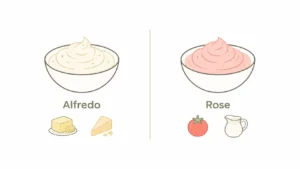
Alfredo sauce is built from butter, cream, and Parmesan cheese, with no tomato component, giving it a pale yellow-white color and a rich, purely dairy flavor. Rose sauce starts from a tomato base and adds cream afterward, which is why it carries both acidity from the tomato and richness from the dairy. The two sauces can taste similar in body since both are cream-based, but rose sauce has a tangier, more rounded flavor profile because of the tomato, while alfredo is heavier and more one-dimensionally rich. Rose sauce is also generally lighter in calories than a full alfredo, since less cream is needed to achieve a similar texture.
The Korean Origins of Rose Pasta (Gochujang Rose Sauce)
The Korean version of rose pasta, sometimes called “rose tteokbokki” when made with chewy rice cakes instead of pasta, emerged from Korean home cooking and street food culture. It builds on the same tomato-and-cream base as the Italian-style sauce but adds gochujang, a fermented, mildly sweet chili paste, along with garlic, onion, and sometimes bacon or sausage for depth. The result is a sauce that is simultaneously creamy, smoky, sweet, and spicy — a flavor profile distinct from Western rose sauces.
This Korean adaptation gained wide popularity through home cooking content and casual dining menus, where “rose” became shorthand for any creamy, gochujang-spiked sauce served over pasta, rice cakes, or noodles. The pasta version keeps the same core sauce technique but swaps rice cakes for pasta shapes like penne or spaghetti.
How to Make Rose Pasta Sauce
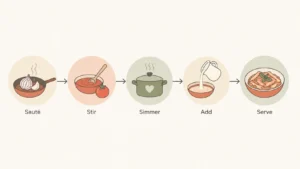
A basic rose pasta sauce follows a consistent method regardless of which variation is being made:
- Build the aromatic base. Sauté finely chopped onion and garlic in oil or butter until softened and fragrant.
- Add the tomato component. Stir in tomato paste or crushed tomatoes (or gochujang, for the Korean version) and cook briefly to deepen the flavor and reduce raw acidity.
- Incorporate the cream. Lower the heat before adding cream, since high heat can cause dairy to separate or curdle. Stir until the sauce turns a uniform pink.
- Season and simmer. Add salt, pepper, and any additional seasoning, then simmer gently until the sauce thickens slightly.
- Combine with pasta. Toss cooked, drained pasta directly into the sauce, adding a splash of reserved pasta water if the sauce needs loosening.
Skipping the step of cooking the tomato paste before adding cream is a common cause of a sauce that tastes flat or overly acidic, since the raw tomato flavor never gets the chance to mellow.
Best Pasta Shapes for Rose Sauce
Rose sauce clings differently depending on the pasta shape used:
- Penne rose pasta and rigatoni rose pasta: The ridges and hollow centers of these tube shapes trap the creamy sauce, making them a popular default choice.
- Fettuccine rose pasta: The wide, flat noodles carry a heavier coating of sauce, giving a richer bite in every strand.
- Spaghetti rose pasta: A thinner coating results, better suited to a lighter, more tomato-forward rose sauce.
- Ravioli rose pasta: Using rose sauce as a topping for stuffed pasta adds a creamy contrast to the filling, though the sauce should be thinner so it doesn’t overwhelm the ravioli.
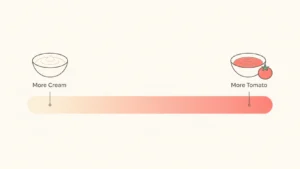
Any of these can be labeled “white rose pasta” or “pink rose pasta” depending on how much cream versus tomato is used — more cream produces a paler, whiter sauce, while more tomato produces a deeper pink or red hue.
Protein Variations: Chicken, Shrimp, and Prawn Rose Pasta
Rose pasta is commonly served with an added protein cooked separately and stirred in at the end:
- Chicken rose pasta: Diced or sliced chicken breast or thigh is pan-seared and added once the sauce has thickened, keeping the meat from overcooking in the simmering sauce.
- Shrimp rose pasta and rose prawn pasta: Shrimp or prawns cook quickly, so they are typically added in the final few minutes of simmering to prevent them from becoming rubbery.
Both proteins pair well with the Korean gochujang version, since the sauce’s smoky sweetness balances the mild flavor of chicken or shellfish.
Dietary Variations: Vegan, Dairy-Free, and Gluten-Free Rose Pasta
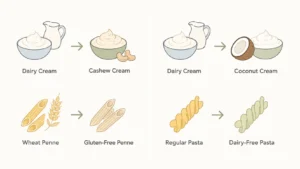
- Vegan rose pasta and dairy-free rose pasta: Cream can be replaced with cashew cream, coconut cream, or a plant-based cooking cream. Because these substitutes vary in fat content, the sauce may need a longer simmer to thicken properly.
- Gluten-free rose pasta: Any gluten-free pasta shape (rice-, corn-, or legume-based) can substitute directly for wheat pasta, since the sauce itself typically contains no gluten unless flour is used as a thickener.
Common Mistakes and How to Avoid Them
- Curdled sauce: Usually caused by adding cold cream to a very hot pan. Lower the heat first and stir the cream in gradually.
- Watery sauce: Often the result of not reducing the tomato base enough before adding cream, or using pasta water too liberally at the end.
- Overly acidic flavor: Happens when the tomato paste or crushed tomato isn’t cooked long enough to mellow before the cream is added.
- Overcooked protein: Adding chicken, shrimp, or prawns too early causes them to toughen; add them near the end of cooking instead.
Storage and Reheating
Rose pasta sauce keeps in an airtight container in the refrigerator for up to three days. Because cream-based sauces can separate when reheated too quickly, warm leftovers gently over low heat, stirring frequently, and add a splash of milk or cream to restore the texture. Freezing is possible but not ideal, since dairy-based sauces can become grainy after thawing.
Conclusion
Rose pasta earns its name from the simple but effective combination of tomato and cream, producing a sauce that’s tangier than alfredo and richer than a plain marinara. Whether made in the classic Italian-American style or the increasingly popular Korean gochujang version, the core technique stays the same: build a tomato base, mellow it, then finish with cream. With the right pasta shape, protein, and dietary swaps, rose pasta adapts easily to almost any kitchen and any diet.
FAQ
Is rose pasta the same as rosé pasta? Yes. “Rose” and “rosé” refer to the same dish; the accented spelling is borrowed from rosé wine because of the shared pink color, not because the sauce contains wine.
What is rose sauce made of? Rose sauce is made from a tomato base (tomato paste, crushed tomatoes, or gochujang for the Korean version) combined with cream, along with aromatics like onion and garlic.
What is the difference between rose sauce and alfredo? Alfredo is a pure dairy sauce made from butter, cream, and Parmesan, while rose sauce combines cream with a tomato or chili-paste base, giving it more tang and a lighter body.
Can rose pasta be made without cream? Yes. Plant-based creams such as cashew or coconut cream can replace dairy cream for a vegan or dairy-free version, though the flavor and thickness will differ slightly.
What makes Korean rose pasta different? Korean rose pasta adds gochujang, and often gochugaru, to the tomato-cream base, giving it a smoky, spicy, slightly sweet flavor not found in the classic Italian-style version.