Introduction
Spicy vodka pizza takes the rich, creamy tang of classic vodka pasta sauce and turns it into a pizza topping — swapping noodles for dough while keeping the same balance of tomato acidity, cream sweetness, and chili heat. It’s become a favorite riff on the traditional penne alla vodka, prized for a sauce that clings to crust the way it clings to pasta, delivering a silky bite in every slice.
Quick Summary
Spicy vodka pizza is built on a vodka-based tomato cream sauce — tomatoes, heavy cream, garlic, and a splash of vodka, kicked up with red pepper flakes or chili oil — spread over pizza dough and topped with mozzarella. The vodka itself cooks off during simmering, leaving behind a rounder, more complex tomato flavor rather than any noticeable alcohol taste. The dish can be made with a traditional flour crust or a high-protein cottage cheese crust, and the sauce recipe doubles easily as a base for spicy vodka pasta.
What Makes Vodka Sauce Different From Regular Tomato Sauce
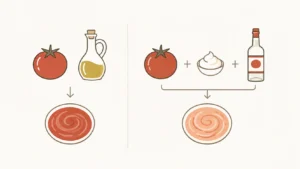
Standard tomato sauce relies on tomatoes, olive oil, and aromatics for body and flavor. Vodka sauce adds two ingredients that change its entire texture and taste profile: heavy cream and vodka.
Cream smooths out the acidity of the tomatoes, giving the sauce a velvety mouthfeel instead of a sharp, tangy one. Vodka acts as an emulsifier — its alcohol content helps dissolve fat-soluble flavor compounds in the tomatoes and chili that water alone can’t fully release, which is why vodka sauce often tastes more layered than a plain marinara, even before cream is added. The result is a sauce that’s simultaneously tangy, sweet, and rich, which is why it pairs so well with both pasta and pizza dough.
Does Spicy Vodka Pizza Contain Alcohol?
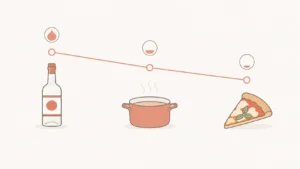
This is one of the most common questions about the dish, and the short answer is: barely any. When vodka is added to a simmering sauce, most of its alcohol content evaporates as the sauce reduces — typically over 15 to 20 minutes of cooking, which is standard for a vodka sauce base. By the time the sauce goes onto the pizza and the pizza bakes for another 10 to 15 minutes at high heat, the residual alcohol content is negligible, generally comparable to what remains in vanilla extract after baking. The vodka’s role isn’t to add a boozy flavor — it’s a flavor-carrying and texture tool, not a beverage ingredient in the final dish.
For anyone who wants to avoid alcohol entirely, even in trace amounts, the vodka can be omitted or replaced with a splash of chicken or vegetable broth. The sauce will taste slightly less complex but will still deliver the core tomato-cream-chili profile.
How to Make Spicy Vodka Pizza Sauce
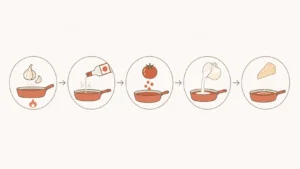
A reliable spicy vodka pizza sauce starts the same way a good vodka pasta sauce does, just cooked down slightly thicker so it doesn’t make the crust soggy.
Core ingredients:
- Crushed or pureed tomatoes
- Heavy cream
- Vodka
- Garlic, finely minced
- Red pepper flakes (adjust for desired heat) or a chili-infused oil
- Butter or olive oil for sautéing
- Parmesan cheese, grated
- Salt and a pinch of sugar to balance acidity
Method overview:
- Sauté garlic and red pepper flakes in butter or oil until fragrant, being careful not to burn the garlic, which turns bitter.
- Add vodka and let it simmer for a few minutes to cook off most of the alcohol.
- Stir in the tomatoes and simmer until slightly thickened.
- Lower the heat, add the cream, and stir until the sauce turns a pale orange-red.
- Finish with grated parmesan and a pinch of salt and sugar to balance the acidity.
Because this sauce is going onto pizza rather than pasta, letting it reduce a bit longer than usual — until it coats the back of a spoon thickly — helps prevent excess moisture from soaking into the dough during baking.
Choosing Your Crust: Traditional vs. Cottage Cheese Crust
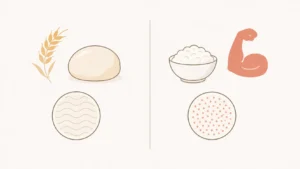
Traditional pizza dough — made from flour, water, yeast, and salt — remains the standard base for spicy vodka pizza, offering a chewy interior and crisp exterior when baked at high heat.
A cottage cheese crust has become a popular high-protein alternative. Blended cottage cheese is mixed with eggs and a modest amount of flour or almond flour, then baked into a thin, dense base before topping. This swap changes the texture noticeably: cottage cheese crusts are denser and slightly springier than traditional dough, with a more neutral, slightly tangy flavor that doesn’t compete with the vodka sauce. They also tend to hold up well structurally under a rich sauce, since the crust itself contains less starch that can turn gummy when saturated with cream-based toppings.
The choice between the two comes down to texture preference and dietary goals — traditional dough for classic chew and flavor, cottage cheese crust for higher protein content and a lighter overall dish.
Assembling and Baking the Pizza
Once the sauce and crust are ready, assembly follows a straightforward sequence:
- Preheat the oven as high as it will go, ideally with a pizza stone or steel inside to absorb and radiate heat evenly.
- Stretch or roll the dough to the desired thickness.
- Spread the vodka sauce in a thin, even layer, leaving a border for the crust edge.
- Top with shredded mozzarella — fresh mozzarella adds more moisture, so lower-moisture, pre-shredded mozzarella is often preferred for a less watery finish.
- Add extra red pepper flakes or a drizzle of chili oil for additional heat.
- Bake until the crust is golden and the cheese is bubbling, generally 8–12 minutes for traditional dough, slightly longer for cottage cheese crust due to its denser structure.
- Finish with fresh basil and a final light drizzle of chili oil after baking, since heat can dull the color and aroma of fresh herbs if added before the oven.
Common Mistakes and How to Avoid Them
Sauce too thin: A watery vodka sauce is the most frequent cause of a soggy pizza. Simmering the sauce longer before assembly, rather than adding more sauce to compensate for thinness, solves this without oversaturating the crust.
Too much cheese or sauce: Overloading toppings prevents the crust from crisping properly in the center. A thin, even layer of both sauce and cheese bakes more evenly.
Burning the garlic: Since vodka sauce starts with sautéed garlic, cooking it too long or at too high heat introduces bitterness that carries through the entire sauce.
Skipping the vodka reduction step: Adding tomatoes before the vodka has simmered for a few minutes can leave a sharper, more alcoholic taste in the final sauce, since less alcohol has had time to cook off.
Storage and Reheating
Leftover spicy vodka pizza keeps well in the refrigerator for up to three days when stored in an airtight container. For reheating, an oven or air fryer at moderate heat restores crispness to the crust far better than a microwave, which tends to make the crust chewy or soggy due to trapped steam. Extra vodka sauce, if made in a larger batch, freezes well for up to two months and can double as a base for spicy vodka pasta on a separate occasion.
Conclusion
Spicy vodka pizza brings together the comforting richness of vodka pasta sauce with the format of a classic pizza night, balancing cream, tomato, and chili heat over a crisp or protein-forward crust. Understanding how the sauce is built — and why the vodka, cream, and simmering time each matter — makes it easy to adjust the recipe for spice level, crust type, or dietary needs while keeping the dish’s signature flavor intact.
FAQ
Is spicy vodka pizza the same as vodka pasta on a crust?
Essentially, yes — it uses the same core sauce (tomato, cream, vodka, garlic, chili) as vodka pasta, adapted in thickness and quantity for a pizza base instead of noodles.
Can I make spicy vodka pizza without alcohol?
Yes. Substituting broth for the vodka removes the emulsifying and flavor-layering effect but still produces a creamy, tangy sauce.
What’s the difference between vodka sauce and spicy vodka sauce?
Spicy vodka sauce is standard vodka sauce with added red pepper flakes or chili oil for heat; the base ingredients and method are otherwise identical.
Can I use vodka pizza sauce for pasta instead?
Yes — the sauce recipe works interchangeably for both penne alla vodka-style pasta dishes and pizza, with only minor thickness adjustments needed.