Introduction
Tomato linguine is a pasta dish built on a simple idea: ripe tomatoes, good olive oil, and long flat noodles that hold sauce better than round strands. It can be as minimal as garlic, tomatoes, and basil, or built up with prawns and cream for a richer plate. The dish works because each element has a job — the linguine’s shape carries sauce along its length, the tomatoes provide acidity and body, and the cooking method determines whether the final result is bright and brothy or thick and clingy.
Quick Summary
Tomato linguine is linguine pasta tossed in a tomato-based sauce, made either with fresh or cherry tomatoes for a lighter, fresher result, or with added cream for a richer, more coating texture. Prawns are a common addition, cooked briefly at the end to avoid toughness. The starchy pasta water is the key technique that binds sauce to noodle, and total cooking time from start to finish is usually under 30 minutes.
What Makes Tomato Linguine Work
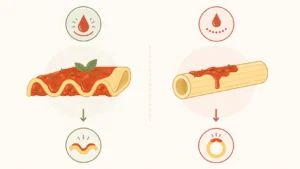
Linguine is wider and flatter than spaghetti, which gives it more surface area for sauce to cling to without becoming heavy the way a wide pappardelle would. This is why linguine is a common match for oil-and-tomato sauces rather than thick meat ragùs, which usually suit shorter or tubular shapes better.
The other structural element is starchy pasta water. When linguine cooks, it releases starch into the water. Adding a splash of that water to the sauce lets the sauce emulsify — the fat (olive oil or cream) and the liquid bind into a smooth coating rather than separating into an oily layer on top of watery tomato. Skipping this step is the most common reason a tomato sauce looks split or tastes thin once it hits the plate.
Choosing Your Tomatoes: Fresh, Cherry, or Sun-Dried
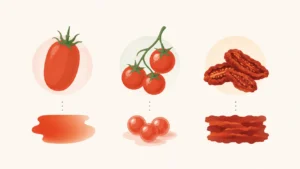
Each tomato type changes the texture and flavor outcome differently:
- Fresh tomatoes (plum or vine) need to be cooked down longer to break their cell walls and release juice, producing a looser, more rustic sauce with visible pulp.
- Cherry tomatoes are sweeter and hold their shape more when halved and blistered in a hot pan, giving pockets of concentrated sweetness rather than a fully blended sauce.
- Sun-dried tomatoes carry a concentrated, slightly tangy-sweet flavor and are typically used alongside fresh or canned tomatoes rather than as the sole base, since they lack the water content needed to form a full sauce on their own.
Canned tomatoes are a reliable substitute when fresh ones are out of season, since they’re picked and processed at peak ripeness and give a more consistent acidity level.
Simple Sauce vs. Creamy Sauce
A simple sauce for linguine usually means garlic gently cooked in olive oil, tomatoes reduced until thickened, and a finishing touch of basil or chili flakes — no dairy involved. This version stays light and lets the tomato flavor lead.
A creamy tomato linguine adds cream (or a dairy-free alternative like cashew cream or coconut milk) toward the end of cooking, after the tomatoes have reduced. Adding cream too early and at too high a heat can cause it to split, so it’s stirred in off direct high heat and simmered gently rather than boiled. The result is a sauce that coats each strand more thickly and tastes rounder, with the acidity of the tomato softened by the fat.
Adding Prawns the Right Way
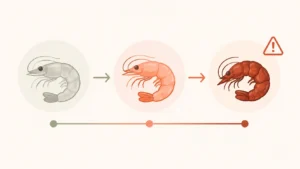
Prawns cook in roughly two to three minutes per side and turn rubbery almost immediately past that point, so they’re one of the last ingredients added, off to the side of the pan or briefly poached directly in the finished sauce. A common method is searing the prawns first in a separate pass, removing them, building the tomato sauce in the same pan to pick up the residual flavor left behind, then returning the prawns just to reheat through before serving. This keeps the prawns tender instead of overcooking them a second time inside the hot sauce.
Chili is a frequent pairing with prawns in this dish, since a small amount of heat balances the natural sweetness of both shellfish and tomato.
Step-by-Step Method
- Boil the linguine in well-salted water until just shy of al dente — it will finish cooking briefly in the sauce.
- Build the base: sauté garlic (and chili, if using) in olive oil over medium heat until fragrant, not browned, since browned garlic turns bitter.
- Add the tomatoes: fresh or cherry tomatoes go in next, cooked down until they collapse and release their juices, roughly 8–10 minutes.
- Reduce and season: simmer until the sauce thickens slightly and coats a spoon.
- Add cream, if making a creamy version, off high heat, stirring until glossy.
- Cook the prawns separately or briefly in the sauce until just opaque throughout.
- Combine: toss the drained linguine into the sauce with a splash of reserved pasta water, tossing until every strand is coated.
- Finish with torn basil, a drizzle of olive oil, and parmesan if not keeping the dish dairy-free.
Common Mistakes and How to Fix Them
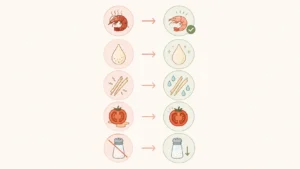
- Overcooking the prawns: add them last and remove the pan from heat as soon as they turn opaque.
- Sauce that won’t cling to the pasta: this usually means no pasta water was added, or the pasta was drained too dry before combining.
- Watery sauce from fresh tomatoes: extend the simmer time rather than adding thickeners, letting natural evaporation concentrate the flavor.
- Split cream sauce: lower the heat before adding cream and avoid a rolling boil afterward.
- Bland result: tomato sauces need enough salt added gradually during cooking, not just at the table, since salt added early helps draw out and concentrate the tomatoes’ own flavor.
Storage and Reheating
Tomato linguine keeps in an airtight container in the refrigerator for up to three days. Because pasta continues absorbing sauce as it sits, it often looks drier the next day — reheating gently with a small splash of water or stock loosens it back to a saucy consistency. If prawns are included, reheat just until warmed through on low heat rather than at a high simmer, to avoid toughening the seafood a second time. This dish is not recommended for freezing when prawns and cream are both included, as the texture of both can change noticeably on thawing.
Conclusion
Tomato linguine is flexible: the same core method — reduce tomatoes, emulsify with pasta water, finish with a chosen fat — supports everything from a five-ingredient weeknight version to a creamy, prawn-forward dish for guests. The details that separate an average result from a good one are small and consistent: don’t rush the tomato reduction, don’t overcook the prawns, and don’t skip the pasta water.
FAQ
What’s the difference between tomato linguine and spaghetti with tomato sauce?
The sauce concept is similar, but linguine’s flatter, wider shape holds oil-based and light tomato sauces more evenly along its length compared to round spaghetti strands.
Can I use dried pasta or does it need to be fresh?
Either works. Dried linguine has a firmer bite and is more common for this dish; fresh linguine cooks faster and has a softer texture.
Is tomato linguine a good dish to make dairy-free?
Yes — the simple (non-creamy) version is naturally dairy-free, and the creamy version can be adapted using coconut milk or a cashew-based cream.
How many calories does a serving of tomato linguine have?
This varies significantly based on portion size and whether cream, cheese, or prawns are included, roughly ranging from around 350–650 calories per serving.
Can I make tomato linguine gluten-free?
Yes, by substituting a gluten-free linguine or fettuccine-style pasta; the sauce components themselves are naturally gluten-free.