Introduction
A Thermomix turns vegetable soup from a multi-pot, multi-step process into a single-bowl job: chopping, sautéing, simmering, and blending all happen in one appliance. That’s why “vegetable soup thermomix” is one of the most searched combinations in the Thermomix recipe community — it covers everything from a five-minute weeknight blend to a slow-simmered, old-fashioned pot that tastes like it took all afternoon. This guide explains how the machine changes each stage of soup-making, what separates a chunky soup from a creamy one, and how to adapt a single base recipe into dozens of variations using chicken, beef, bacon, lentils, or barley.
Quick Summary
- The Thermomix’s built-in scale, blade speeds, and heat control let you sauté, simmer, and blend vegetable soup in one bowl, cutting both cleanup and active cooking time.
- Texture is a choice, not an accident: blade speed and blending time determine whether soup turns out chunky, partially blended, or fully creamy.
- A simple base — onion, carrot, celery, potato or pumpkin, stock, and seasoning — works for almost every variation, including chicken and vegetable, beef and vegetable, bacon and vegetable, lentil, barley, and noodle soups.
- Reverse the blade and use lower speeds to keep vegetables intact for a chunky, old-fashioned style soup; use higher speeds and longer blend times for a smooth, creamy result.
- Vegetable soup keeps well in the fridge for several days and freezes reliably, making it a strong make-ahead option regardless of which variation you choose.
Why the Thermomix Is Built for Vegetable Soup
Vegetable soup traditionally requires a knife, a chopping board, a pot for sautéing aromatics, and sometimes a blender for a smooth finish. A Thermomix condenses those tools into one bowl. The internal blades chop vegetables to a set size, the heating element brings the mixture to a controlled simmer temperature, and the same blades can then purée the soup without transferring anything to a separate blender. This matters for flavor as well as convenience: because the sautéing, simmering, and blending stages happen in the same vessel, none of the browned bits or released juices are lost in a pot-to-blender transfer.
Precise temperature and timing settings also reduce the two most common vegetable soup mistakes — scorching aromatics at the sauté stage and overcooking delicate vegetables during the simmer. Because the machine holds a steady, programmed temperature rather than fluctuating stovetop heat, vegetables cook evenly, which is part of why the recipe consistently ranks among the most shared soups in the Thermomix recipe community.
Chunky, Blended, or Creamy: Choosing Your Texture
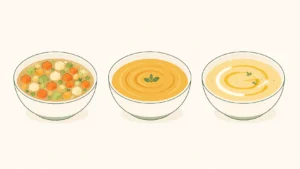
Texture in Thermomix vegetable soup comes down to two variables: blade speed and blend duration.
- Chunky vegetable soup: Vegetables are cooked using the reverse blade function at a low speed, which turns the blades gently so they stir rather than chop. This keeps distinct pieces of carrot, potato, and celery intact, closer to a traditional stovetop soup.
- Blended vegetable soup: After simmering, the mixture is processed at a high speed for a short period, breaking vegetables down into a smooth, uniform purée with no visible pieces.
- Creamy vegetable soup: This is a blended soup with an added fat or dairy component — cream, butter, or a starchy vegetable like potato — incorporated during the final blend to add body and a silkier mouthfeel, without necessarily changing the blend speed itself.
Choosing texture first makes it easier to plan the rest of the recipe, since chunky soups benefit from vegetables cut to a similar size before cooking, while blended and creamy soups are more forgiving of uneven cuts, since everything gets puréed regardless.
The Base Method: Simple Thermomix Vegetable Soup
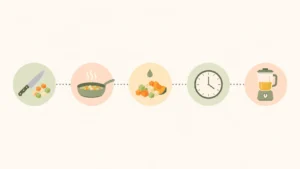
Most Thermomix vegetable soup recipes — whatever their final flavor — follow the same underlying sequence:
- Chop aromatics: Onion, garlic, and celery are chopped in short pulses.
- Sauté: The chopped aromatics are cooked briefly at a moderate temperature with a small amount of oil, which develops the base flavor of the soup before liquid is added.
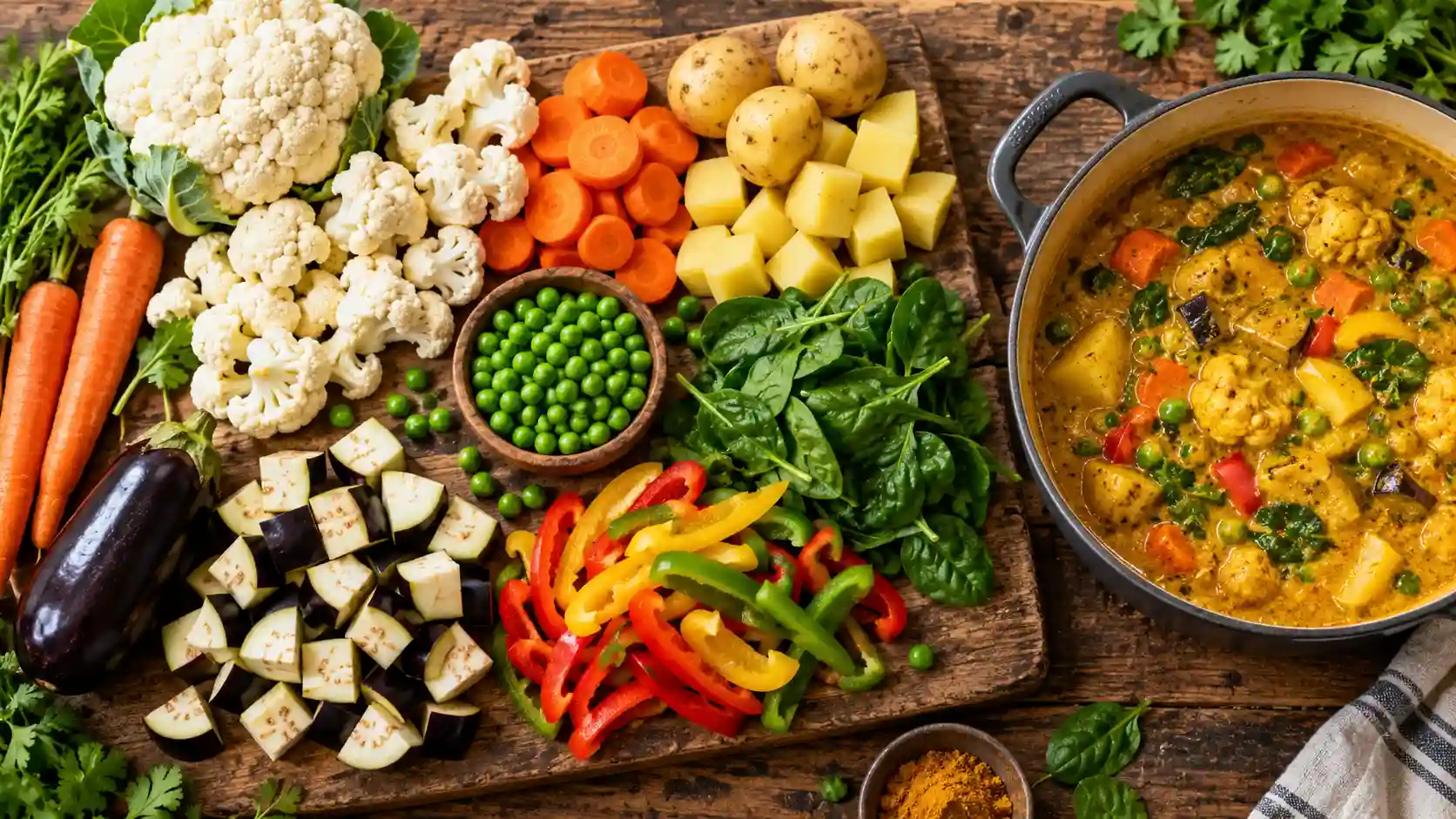
- Add vegetables and liquid: Carrot, potato, pumpkin, or whatever vegetables are on hand go in along with stock or water.
- Simmer: The mixture cooks at a controlled simmer temperature for a set time, softening the vegetables fully.
- Finish: The soup is either left as is for a chunky result, blended for a smooth one, or has cream, milk, or a knob of butter added for a creamy finish.
This five-step structure is why “whatever vegetable soup thermomix” and “simple vegetable soup thermomix” are effectively the same search intent — the method tolerates substitution well. Swapping pumpkin for potato, or adding a can of tomatoes, doesn’t require changing the sequence, only the ingredient list.
Community Favorites: Popular Variations
Within the Thermomix soup recipe community, a handful of variations recur most often:
- Roast vegetable soup: Vegetables are roasted in the oven first for caramelization, then added to the Thermomix bowl with stock and blended, giving a deeper, sweeter flavor than an all-in-one simmered version.
- Old-fashioned homemade vegetable soup: Built on the chunky method, often with a wider mix of vegetables (peas, corn, green beans) and a longer simmer, echoing a stovetop family recipe.
- Vegetable noodle soup: Small pasta or egg noodles are added toward the end of cooking, just long enough to cook through without going soft, keeping the broth thinner than a blended soup.
These variations share the base method above; the differences come from ingredient choices and the point in the process where they’re added, not from a different cooking technique.
Adding Protein: Chicken, Beef, and Bacon
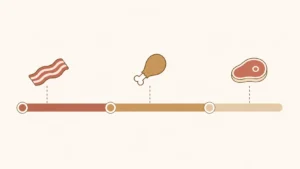
Vegetable soup becomes a more complete meal with the addition of protein, and the Thermomix handles each addition slightly differently:
- Chicken and vegetable soup: Raw chicken pieces can be added during the simmer stage and cook through in the broth, or cooked chicken can be stirred in at the end. A creamy chicken and vegetable soup adds cream or a roux-style thickener after blending; a hearty version keeps the soup chunky and adds extra vegetables or a starch like rice.
- Beef and vegetable soup: Beef benefits from a longer simmer time than chicken to become tender, so it’s typically added earlier in the cooking sequence, often with a splash of red wine or extra stock to account for the longer cook.
- Bacon and vegetable soup: Bacon is usually chopped and sautéed with the onion at the start, rendering fat that flavors the aromatics before the vegetables and liquid are added, giving the finished soup a smoky base note.
Grains and Legumes: Lentil, Barley, and Noodle Soups {#grains}
Adding lentils, barley, or noodles changes both texture and cooking time:
- Vegetable and lentil soup: Red lentils break down during simmering and naturally thicken the soup, while green or brown lentils hold their shape longer, giving a heartier bite.
- Vegetable and barley soup: Barley needs a longer simmer than most vegetables, so it’s usually added early, alongside or just after the aromatics, to give it time to soften fully.
- Vegetable noodle soup: As noted above, noodles are best added last, since they only need a few minutes and become mushy if simmered the full cooking time.
Because grains and legumes absorb liquid as they cook, recipes using them often call for extra stock or water compared with a plain vegetable soup, to keep the final consistency from turning too thick.
Storage, Reheating, and Make-Ahead Tips {#storage}
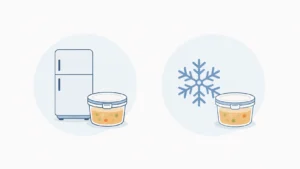
Vegetable soup is a reliable make-ahead dish across all its variations. It keeps well refrigerated for several days in a sealed container, and it freezes well for longer storage — chunky and blended versions both freeze successfully, though soups with dairy added for creaminess are best frozen before the cream is stirred in, with the dairy added fresh after reheating to avoid separation. Noodle-based soups also freeze better without the noodles, which can turn soft after thawing; cooking a fresh batch of noodles to add at reheating keeps the texture better.
Conclusion
Vegetable soup in a Thermomix is less a single recipe than a flexible method: chop, sauté, simmer, and finish according to the texture and ingredients you want. Once that base sequence is familiar, the same steps carry across a simple weeknight blend, an old-fashioned chunky pot, or a heartier version built around chicken, beef, bacon, lentils, or barley — which is exactly why so many variations circulate through the Thermomix recipe community under the same core method.
FAQ
Can I make vegetable soup in a Thermomix without a recipe? Yes. The base method — chop aromatics, sauté, add vegetables and stock, simmer, then blend or leave chunky — works with almost any vegetable combination, which is why “whatever vegetable soup” is a common approach in the community.
What’s the difference between chunky and blended vegetable soup in a Thermomix? Chunky soup is cooked using the reverse blade at low speed so vegetable pieces stay intact, while blended soup is processed at a higher speed after simmering to create a smooth, uniform purée.
Do I need to add cream to make the soup creamy? Not necessarily. A smooth, creamy texture can come from blending starchy vegetables like potato or pumpkin thoroughly; cream, milk, or butter add richness but aren’t required for a silky consistency.
Can I add raw chicken directly to vegetable soup while it cooks? Yes, raw chicken pieces can be added during the simmer stage and will cook through in the broth, provided the simmer time is long enough for the chicken to reach a safe internal temperature.
Does vegetable soup freeze well? Yes, both chunky and blended vegetable soup freeze well. Soups with added cream freeze best without the dairy, which can be stirred in fresh after reheating, and noodle soups keep better texture when noodles are cooked fresh at reheating rather than frozen in the soup.