Introduction
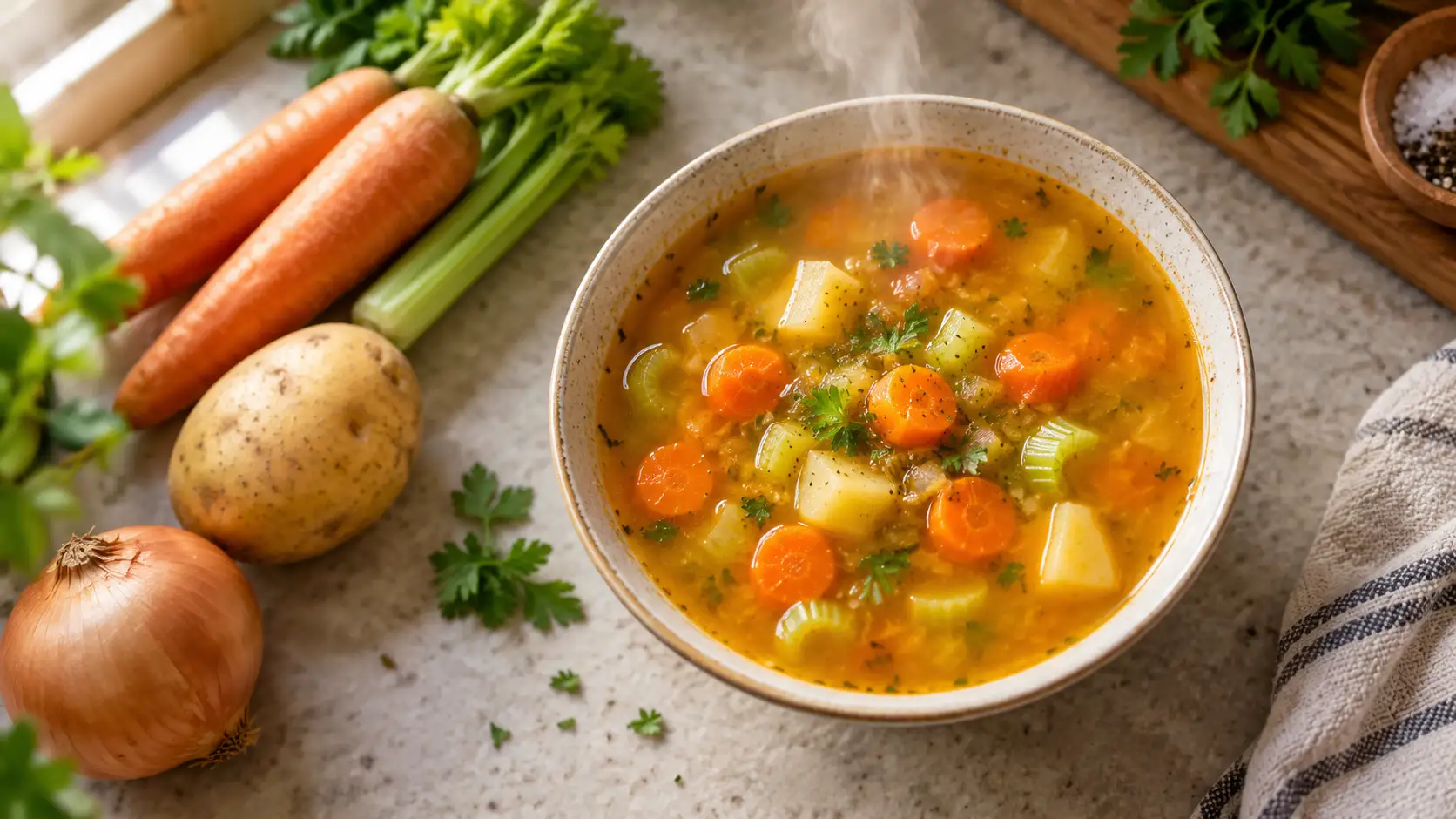
A Thermomix turns soup-making into a single-vessel process: chopping, sautéing, blending, and heating all happen in one bowl, guided by precise temperature and speed settings. This removes much of the guesswork that trips people up with stovetop soup — scorched bases, uneven blending, and inconsistent thickness. Understanding why each setting exists, not just which buttons to press, is what separates a soup that tastes flat from one that tastes balanced and full-bodied.
Quick Summary
Thermomix soups rely on three core mechanics: a sautéed aromatic base (onion, garlic, celery) built at low speed and moderate heat to develop sweetness without bitterness; a controlled simmer at 90–100°C that softens vegetables or proteins evenly; and a graduated blend, starting slow and increasing speed, that produces a smooth texture without overheating the mixture or destroying delicate flavor compounds. Most soups take 25–40 minutes start to finish, and nearly all core vegetable-based recipes can be adapted for vegetarian, low-fat, or dairy-free diets by swapping the finishing ingredients.
Why the Thermomix Changes How Soup Is Made
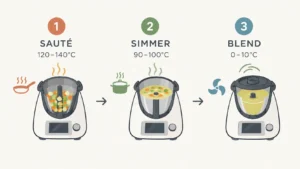
Traditional soup-making separates chopping, sweating aromatics, simmering, and blending into distinct stages, often using multiple pots and a stick blender. A Thermomix collapses these into sequential settings on one machine. This matters because temperature consistency is one of the biggest variables in soup flavor: a base sautéed too hot turns bitter, while one cooked too gently stays raw-tasting. The Thermomix’s programmed temperature control keeps the sauté stage in a narrow, repeatable range, which is why recipes translate consistently between home cooks regardless of stovetop experience.
The built-in blending function also explains why Thermomix soups tend to have a silkier consistency than hand-blended versions. Blending at a gradually increasing speed breaks down cell walls evenly, avoiding the grainy pockets that occur when an immersion blender is moved unevenly through a pot.
Vegetable Soups: Building Flavor from the Base Up
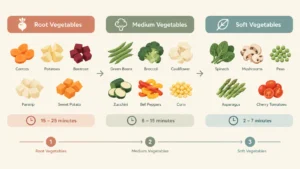
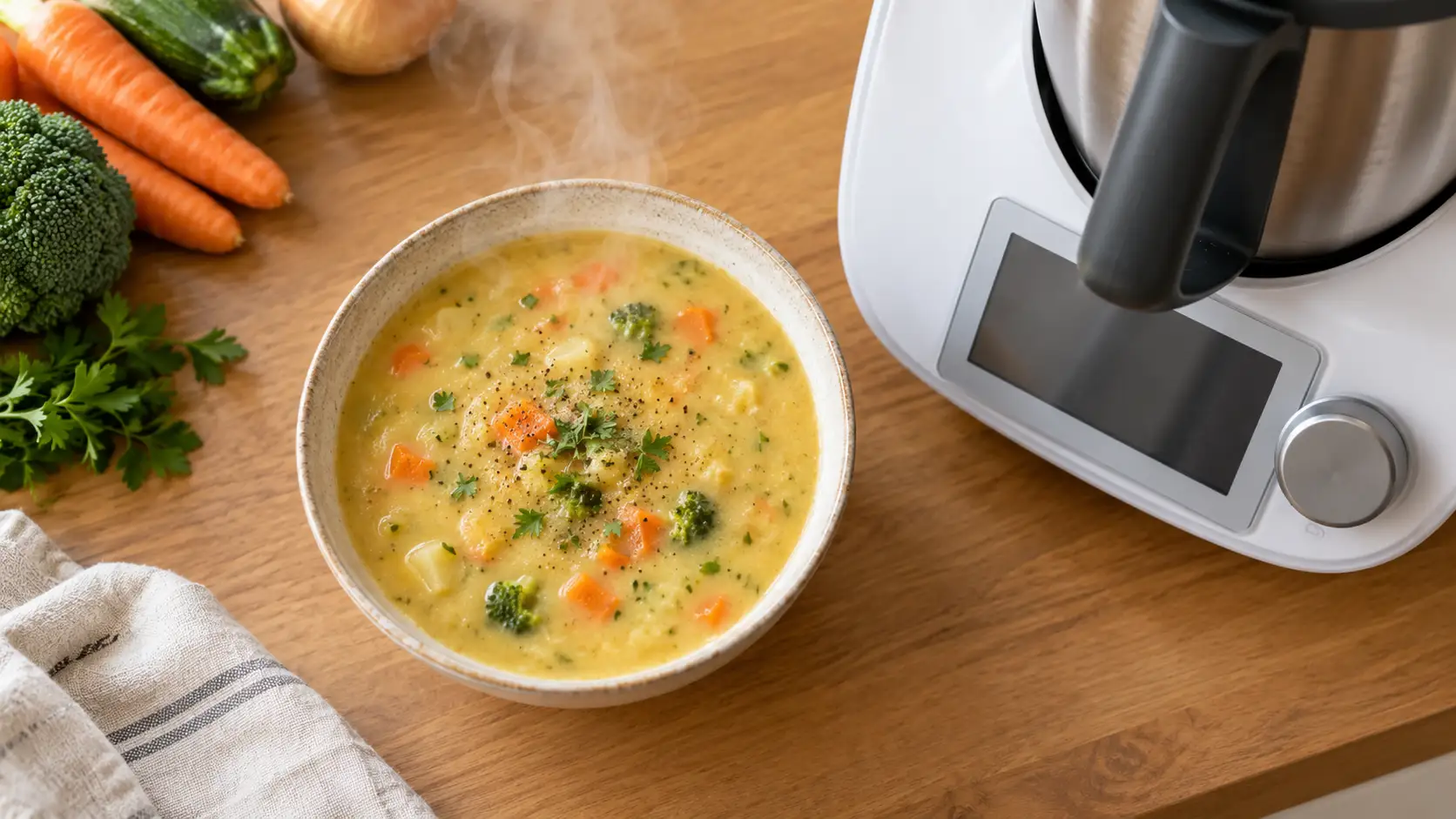
Vegetable soup is the foundation recipe most other Thermomix soups are built from. The standard method chops aromatics first, sautés them at a moderate setting to release natural sugars, then adds the remaining vegetables and stock before simmering and blending. The order matters: root vegetables like carrots and potatoes need longer simmer times than softer vegetables like zucchini, so adding everything at once risks overcooked greens sitting alongside undercooked root vegetables. Staggering additions, or cutting harder vegetables smaller, keeps texture even without adjusting total cook time.
Chicken Soups: Balancing Broth, Protein, and Texture
Chicken soup introduces a second variable: protein doneness. Overcooked chicken breast turns dry and stringy, especially once blended into a broth, so most Thermomix chicken soup recipes either poach the chicken gently at a lower temperature before shredding it back in, or use pre-cooked, shredded chicken added after blending the vegetable base. This preserves moisture in the meat while still allowing the broth itself to develop depth from bones or stock concentrate simmered longer. Chicken vegetable soup variations follow the same logic as standard vegetable soup, with the protein treated as a late addition rather than blended into the base.
Pumpkin, Celery, and Tomato Soups: Ingredient-Specific Techniques
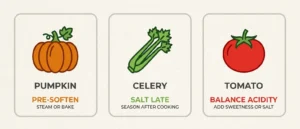
Each of these classic soups depends on a slightly different mechanism for good results.
Pumpkin soup benefits from roasting or pre-softening the pumpkin, since raw pumpkin has a dense cell structure that resists smooth blending even at high speed; pre-softened flesh blends into a velvety consistency far more easily.
Celery soup relies on celery’s natural sodium and mild bitterness, which means seasoning should be added gradually and tasted late in the process — celery-forward soups are easy to oversalt because the vegetable itself already reads as slightly savory.
Tomato soup requires balancing acidity. A small amount of natural sweetness (carrot, a touch of sugar, or roasted tomatoes) offsets the acidity that raw or canned tomatoes bring, preventing the finished soup from tasting sharp.
Vegetarian and Healthy Soup Adaptations
Most Thermomix soup bases are naturally vegetarian-adaptable: replacing chicken stock with vegetable stock and omitting any meat-based additions converts a standard recipe without changing the cooking method. For healthier versions, the primary levers are reducing added cream or butter in favor of blended vegetables (potato, cauliflower, or white beans) for body, and controlling stock sodium by using a low-sodium base and salting to taste at the end rather than throughout cooking. These substitutions affect texture and richness more than they affect the core technique, which stays the same across diet-adapted versions.
Easy and Quick Soup Methods
The fastest Thermomix soups use pre-chopped or frozen vegetables and stock concentrate instead of homemade stock, cutting prep time to a few minutes. Because the machine handles chopping, sautéing, and blending in sequence, an “easy” soup is really a matter of reducing the number of ingredients and skipping optional steps like roasting, not a different cooking method. A basic easy vegetable soup can go from raw ingredients to blended, finished soup in under 30 minutes.
TM6, TM7, and TM31: How Model Differences Affect Results

The TM31, TM6, and TM7 all perform the same core soup-making functions, but with differences that affect precision and convenience rather than the underlying technique. The TM31 uses manual temperature and speed dials without guided recipe programming, requiring the cook to set and monitor stages themselves. The TM6 introduced Cook-Key guided recipes and more precise temperature control, reducing the margin for error in delicate steps like sautéing without scorching. The TM7 builds on this with further-refined heating consistency and connectivity features. In practical terms, soup recipes transfer across all three models with the same ingredient ratios, but TM31 users may need to watch and adjust timing manually where TM6 and TM7 users can rely more on guided settings.
Top 10 Thermomix Soups Worth Making
- Classic vegetable soup
- Chicken and vegetable soup
- Pumpkin soup
- Cream of celery soup
- Tomato soup
- Broccoli and cheddar soup
- Carrot and ginger soup
- Potato and leek soup
- Minestrone-style vegetable soup
- Butternut squash soup
These represent the most-searched and most-repeated recipes because they use widely available ingredients and the base technique scales easily to seasonal variations.
Storage, Reheating, and Texture Recovery
Blended soups typically keep for three to four days refrigerated or up to three months frozen. Texture can thin slightly after freezing and reheating, particularly in cream-based or potato-thickened soups, because starches and dairy proteins change structure when frozen. Reheating gently and stirring in a small amount of stock or blending briefly again usually restores a smooth consistency.
Conclusion
Thermomix soup recipes share a consistent underlying logic — a sautéed aromatic base, a controlled simmer, and a graduated blend — that holds true whether the recipe is vegetable, chicken, pumpkin, celery, or tomato based, and whether it’s made on a TM31, TM6, or TM7. Once that core method is understood, most variations (vegetarian, low-fat, quick, or ingredient-specific) are simple substitutions rather than entirely new techniques.
FAQ
Can any Thermomix soup recipe be made vegetarian?
Most can, by swapping meat-based stock for vegetable stock and omitting meat additions; the cooking method stays the same.
Why does my Thermomix soup come out grainy instead of smooth?
This usually means the blending speed wasn’t increased gradually, or a dense vegetable (like raw pumpkin) wasn’t pre-softened before blending.
Do TM31 recipes work on a TM6 or TM7?
Yes — ingredient ratios and stages are the same, though TM6 and TM7 models offer more precise guided temperature control.
How do I make a Thermomix soup healthier without losing texture?
Replace cream with blended potato, cauliflower, or white beans for body instead of fat.