Introduction
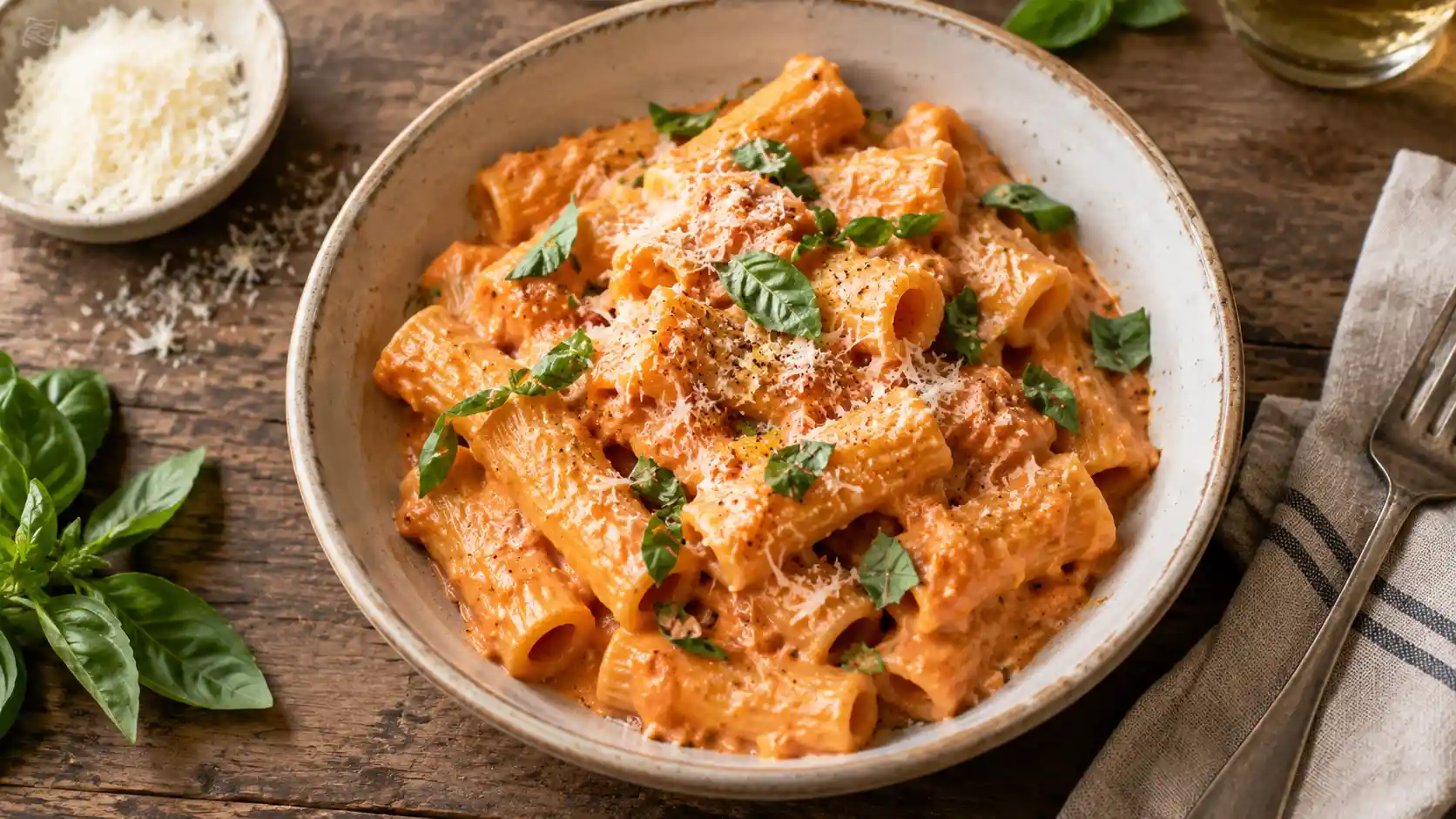
Vodka pasta is a creamy tomato pasta dish built on a sauce that combines crushed tomatoes, heavy cream, aromatics, and a small amount of vodka, typically served over penne or rigatoni. The dish sits at the intersection of Italian-American comfort food and viral internet cooking, prized for a sauce texture that is richer than marinara but lighter than a straight cream sauce. This guide explains what the dish is, why vodka plays a functional role in the recipe, how to make it from scratch, and how to adapt it for different diets, spice levels, and protein additions.
Quick Summary
- Vodka pasta is a penne or rigatoni dish in a tomato-cream sauce built with butter, garlic or shallot, tomato paste or crushed tomatoes, heavy cream, and a splash of vodka.
- Vodka is added for its effect on flavor extraction and sauce texture, not primarily for alcohol content, and it largely cooks off during simmering.
- The dish can be made without vodka using a small substitution that mimics its function.
- Common variations include spicy vodka pasta (with red pepper flakes), chicken vodka pasta, and a version widely associated with model Gigi Hadid’s spicy rigatoni.
- The sauce keeps well refrigerated for up to four days and reheats best with a splash of added liquid to restore its texture.
What Is Vodka Pasta?
Vodka pasta, sometimes labeled penne alla vodka or pasta alla vodka, is a pasta dish in a rose-colored sauce made from tomatoes and cream. The sauce sits between a red sauce and a cream sauce in both color and richness. It originated as an Italian-American restaurant dish rather than a traditional recipe from Italy, and its exact origin is debated, with various New York restaurants and Italian chefs credited with early versions dating to the 1970s and 1980s.
The base structure is consistent across most recipes: an aromatic fat (usually butter, sometimes with olive oil), a tomato component (paste, crushed tomatoes, or passata), a dairy component (heavy cream, and often parmesan), and a small quantity of vodka added partway through cooking.
Why Vodka Is Used in the Sauce
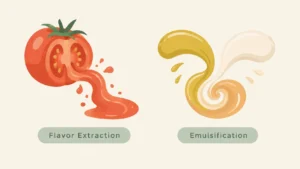
Vodka serves two practical functions in the sauce rather than acting purely as a flavor ingredient.
First, alcohol dissolves certain flavor compounds in tomatoes that are not soluble in water or fat alone. This means a vodka-simmered tomato sauce can taste more rounded and complex than a version made without it, because more of the tomato’s aromatic compounds are released into the sauce.
Second, vodka affects emulsification. A small amount of alcohol helps the fat (cream, butter) and the water-based tomato component bind into a smoother, more cohesive sauce rather than separating. This is part of why vodka pasta has a characteristically silky texture compared to a plain tomato-cream sauce made without it.
Most of the alcohol evaporates during the simmering stage, so the finished dish is not meaningfully alcoholic, though a very short cook time will leave more residual alcohol than a longer one.
Core Ingredients Explained
A standard vodka pasta recipe relies on a short list of ingredients, each with a specific role:
- Pasta (penne or rigatoni): Ridged, tubular shapes hold the sauce inside and along the ridges, which matters more for this sauce than for a thin marinara because of its thickness.
- Butter and/or olive oil: Provides the fat base for sautéing aromatics and later helps bind the sauce.
- Garlic and shallot or onion: Builds the aromatic base; shallot is milder and sweeter than yellow onion, which keeps the sauce from tasting sharp.
- Tomato paste or crushed tomatoes: Tomato paste gives a more concentrated, less watery sauce; crushed tomatoes give more volume and a slightly looser texture.
- Vodka: Added after the tomato component is cooked down slightly, then simmered to cook off most of the alcohol.
- Heavy cream: Added after the vodka has reduced, to prevent the cream from curdling against high heat and acidity.
- Parmesan cheese: Stirred in off heat or at low heat to thicken the sauce and add salt and umami.
- Red pepper flakes (optional): Used in spicier variations to cut through the richness of the cream.
- Fresh basil: Typically added at the end, since prolonged cooking dulls its flavor.
How to Make Vodka Pasta (Step by Step)
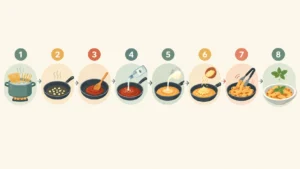
- Cook the pasta in well-salted water until just shy of al dente, and reserve about a cup of the starchy pasta water before draining.
- Melt butter in a wide pan and sauté minced garlic and shallot until softened but not browned, since browning turns garlic bitter.
- Add tomato paste and cook it briefly in the fat; this step, sometimes called blooming the paste, deepens its flavor by cooking off raw acidity.
- Add the vodka and simmer for several minutes to reduce it, which is what allows most of the alcohol to evaporate while the flavor compounds remain.
- Lower the heat and stir in the heavy cream, since adding cream to a very hot or acidic mixture too quickly can cause it to split.
- Simmer gently until the sauce thickens slightly, then stir in grated parmesan until melted and smooth.
- Add the drained pasta directly to the sauce along with a splash of the reserved pasta water, tossing until the sauce coats every piece.
- Finish with torn basil and extra parmesan before serving.
Vodka Pasta Without Vodka
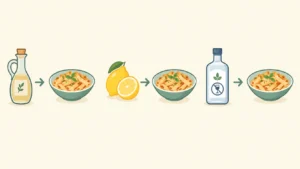
A non-alcoholic version is possible by substituting the vodka with a small amount of extra acid and using a slightly different technique to encourage similar emulsification. Options include:
- A splash of white wine vinegar or lemon juice diluted with water, added at the same stage as the vodka would go in.
- Non-alcoholic spirits made to mimic vodka’s neutral profile, which are increasingly available and behave closer to the original than vinegar substitutes.
- Simply omitting the step and relying on a longer simmer of the tomato and cream together, which will not fully replicate the same texture but still produces a workable sauce.
None of these substitutions is chemically identical to vodka’s effect, so the sauce will taste slightly different, usually a bit less rounded, but the dish remains recognizably vodka pasta in structure and flavor profile.
Adding Chicken or Other Meat
Chicken is the most common protein addition. Chicken breast or thigh is typically seared separately, seasoned with salt, pepper, and sometimes Italian herbs, then either sliced and added back into the finished sauce or simmered directly in the sauce to finish cooking. Searing the chicken before it touches the sauce builds browning (the Maillard reaction) that a simmered-only piece of chicken would not develop, which adds a layer of flavor the plain sauce doesn’t have on its own.
Other common additions include Italian sausage (removed from its casing and browned before the aromatics are added, since it renders fat that becomes part of the sauce base) and pancetta, which adds a salty, smoky note.
Spicy Vodka Pasta Variation
Spicy vodka pasta follows the same base recipe with crushed red pepper flakes added during the aromatics stage, so the chili oil infuses into the fat before the tomato and cream go in. Some versions also use calabrian chili paste in place of or alongside red pepper flakes for a fruitier heat. The dairy in the sauce tempers the spice, which is part of why this variation can carry more heat than a straight tomato sauce without becoming overwhelming.
The Gigi Hadid Connection
A spicy vodka pasta recipe associated with model Gigi Hadid became widely popular online, built around rigatoni, a generous amount of red pepper flakes, vodka, cream, and parmesan. The recipe follows the same core technique described above, and its popularity is largely credited with reintroducing vodka pasta to a new wave of home cooks searching for the dish. The core method — sautéing aromatics, blooming tomato paste, deglazing with vodka, finishing with cream and cheese — is consistent with traditional vodka pasta technique rather than a fundamentally different approach.
What Does Vodka Pasta Taste Like?
Vodka pasta tastes rich and slightly tangy, balancing the acidity of tomato against the richness of cream and butter, with a savory backbone from parmesan and aromatics. It is generally milder and creamier than a straight marinara, and less heavy than a pure alfredo. When vodka is used correctly and simmered down, the dish does not taste boozy; instead, the vodka’s contribution shows up as a smoother, more cohesive sauce texture rather than a distinct flavor.
Storage and Reheating
Cooked vodka pasta keeps in an airtight container in the refrigerator for up to four days. Cream sauces tend to thicken and separate slightly when chilled, so reheating gently on the stovetop with a small splash of milk, cream, or reserved pasta water helps restore the original texture. Microwave reheating works but benefits from stirring halfway through and adding a little liquid to prevent the sauce from breaking. Freezing is possible but not ideal, since cream-based sauces can separate on thawing; if freezing, plan to whisk the sauce vigorously or add fresh cream after reheating to bring it back together.
Common Mistakes to Avoid
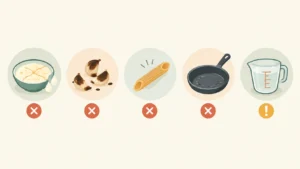
- Adding cream while the pan is still very hot or acidic, which risks curdling.
- Skipping the vodka reduction step, which can leave the sauce tasting sharp or overly alcoholic.
- Browning the garlic instead of sautéing it gently, which introduces bitterness.
- Overcooking the pasta before adding it to the sauce, since it will continue cooking slightly once combined.
- Leaving out the reserved pasta water, which helps the sauce cling to the pasta rather than pooling at the bottom of the bowl.
Conclusion
Vodka pasta earns its lasting popularity through a sauce that balances tomato, cream, and aromatics into something more cohesive than either component alone. The vodka’s role is functional as much as flavorful, improving both flavor extraction and sauce texture, and the dish adapts easily to non-alcoholic substitutions, added proteins like chicken, and spicier variations without losing its core identity. Whether made from a decades-old restaurant technique or a recipe popularized more recently online, the method remains largely the same, which is part of why it has stayed a reliable weeknight and dinner-party dish.
FAQ
Is vodka pasta safe for kids or non-drinkers to eat? Most of the alcohol evaporates during the simmering step, but trace amounts can remain, so those who want to fully avoid alcohol should use a substitution rather than assume it cooks off completely.
Can I use a different pasta shape? Penne and rigatoni are standard because their ridges and tube shape hold the thick sauce well, but any short, ridged pasta shape works reasonably well.
Why did my sauce curdle? Curdling usually happens when cream is added to a pan that is too hot or too acidic; lowering the heat before adding cream and stirring it in gradually helps prevent this.
Can I make vodka pasta dairy-free? Yes, by substituting the heavy cream with a full-fat plant-based cream alternative and using a dairy-free parmesan substitute or nutritional yeast, though the texture and flavor will differ somewhat from the traditional version.
What can I substitute for vodka besides non-alcoholic spirits? A small amount of diluted white wine vinegar or lemon juice added at the same stage in the recipe approximates part of vodka’s effect, though the result won’t be chemically identical.